Rehabilitation is often viewed as the final stage of a project, something that occurs once construction or operations have ceased and equipment has been removed. In reality, effective rehabilitation begins long before the first disturbance occurs. The most successful rehabilitation programs are guided by a rehabilitation hierarchy, a structured framework that prioritises avoiding impacts wherever possible and progressively managing unavoidable disturbance to achieve the best environmental outcomes.
Across Australia’s mining, resources, infrastructure and energy sectors, the rehabilitation hierarchy is increasingly recognised as a best-practice framework for managing land disturbance and supporting closure objectives. The rehabilitation hierarchy provides a logical sequence of actions that organisations can follow to minimise environmental impacts and restore disturbed land. While the exact terminology may vary between industries and jurisdictions, the hierarchy generally consists of five key principles: avoid disturbance, minimise disturbance, rehabilitate progressively, restore ecosystem function, and offset or compensate residual impacts.
Avoid Disturbance Through Early Rehabilitation Planning
The highest priority within the rehabilitation hierarchy is to avoid environmental disturbance wherever practicable. Once native vegetation is cleared, topsoil is removed, or landforms are altered, restoration can be challenging, costly, and in some cases impossible to fully achieve. Avoidance therefore represents the most effective form of environmental management.
Avoidance can be achieved through careful project planning and design. Examples include locating infrastructure in previously disturbed areas, selecting existing access routes rather than constructing new roads, reducing the footprint of facilities, and designing projects to avoid sensitive habitats, watercourses, culturally significant sites, and threatened species habitat. For industries such as mining, oil and gas, and construction, early planning decisions can significantly reduce future rehabilitation liabilities. Every hectare of disturbance avoided is a hectare that does not require rehabilitation, monitoring, or long-term management.
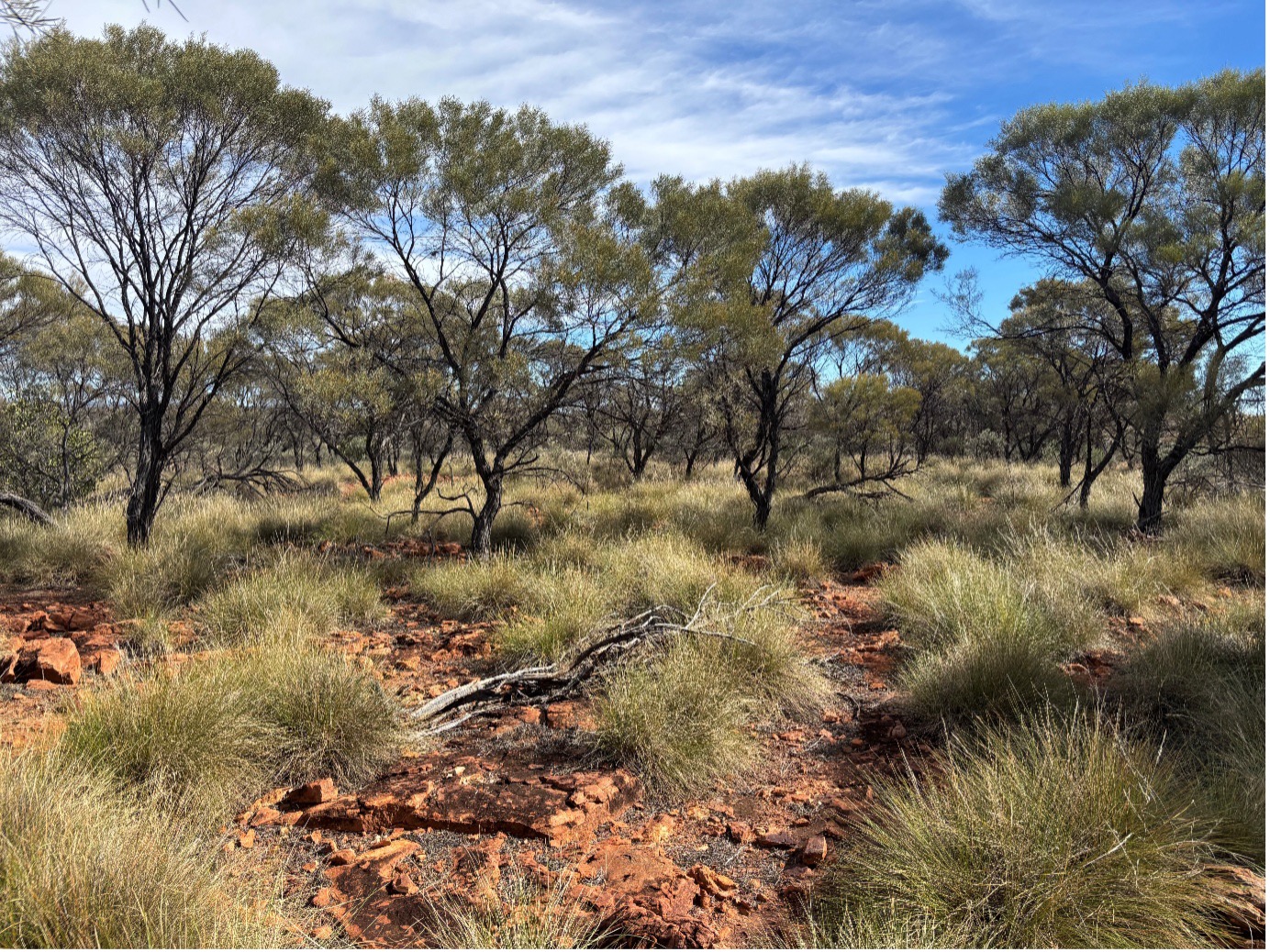
Avoiding disturbance in areas such as this remnant Mulga woodland
Minimise Environmental Disturbance During Operations
Where disturbance cannot be completely avoided, the next priority is to minimise the extent, duration, and severity of impacts. Minimising disturbance involves implementing practical measures that reduce environmental impacts during project activities. Examples include limiting clearing boundaries to the smallest area necessary, using existing tracks and infrastructure where possible, segregating and conserving topsoil, controlling erosion and sediment movement, managing weeds and pests, and restricting vehicle access to designated areas.
The principle of minimisation recognises that some disturbance is unavoidable but seeks to ensure that impacts are proportionate to operational requirements. Effective minimisation not only reduces environmental harm but also lowers rehabilitation costs and improves the likelihood of achieving successful rehabilitation outcomes. A common example is the management of well pads or temporary work areas. By reducing the amount of land disturbed during construction, operators can significantly decrease the area requiring rehabilitation at project completion.
Why Progressive Rehabilitation Improves Outcomes
Historically, many industries deferred rehabilitation activities until the end of a project. Modern rehabilitation practice recognises that waiting until closure often increases environmental risk and rehabilitation costs. Progressive rehabilitation seeks to return disturbed areas to a stable condition as soon as they are no longer required for operational purposes.
Progressive rehabilitation involves undertaking rehabilitation activities during the operational life of a project rather than waiting until final closure. This may include decommissioning redundant infrastructure, reshaping landforms, reinstating drainage patterns, replacing topsoil, and establishing vegetation while operations continue elsewhere on site. Progressive rehabilitation provides several benefits. It reduces the total disturbed footprint at any one time, minimises erosion risks, allows rehabilitation techniques to be tested and refined, and demonstrates environmental performance to regulators and stakeholders. Importantly, progressive rehabilitation also allows organisations to identify and rectify issues early. If revegetation methods are not achieving desired outcomes, adjustments can be made while operational knowledge and resources remain available.
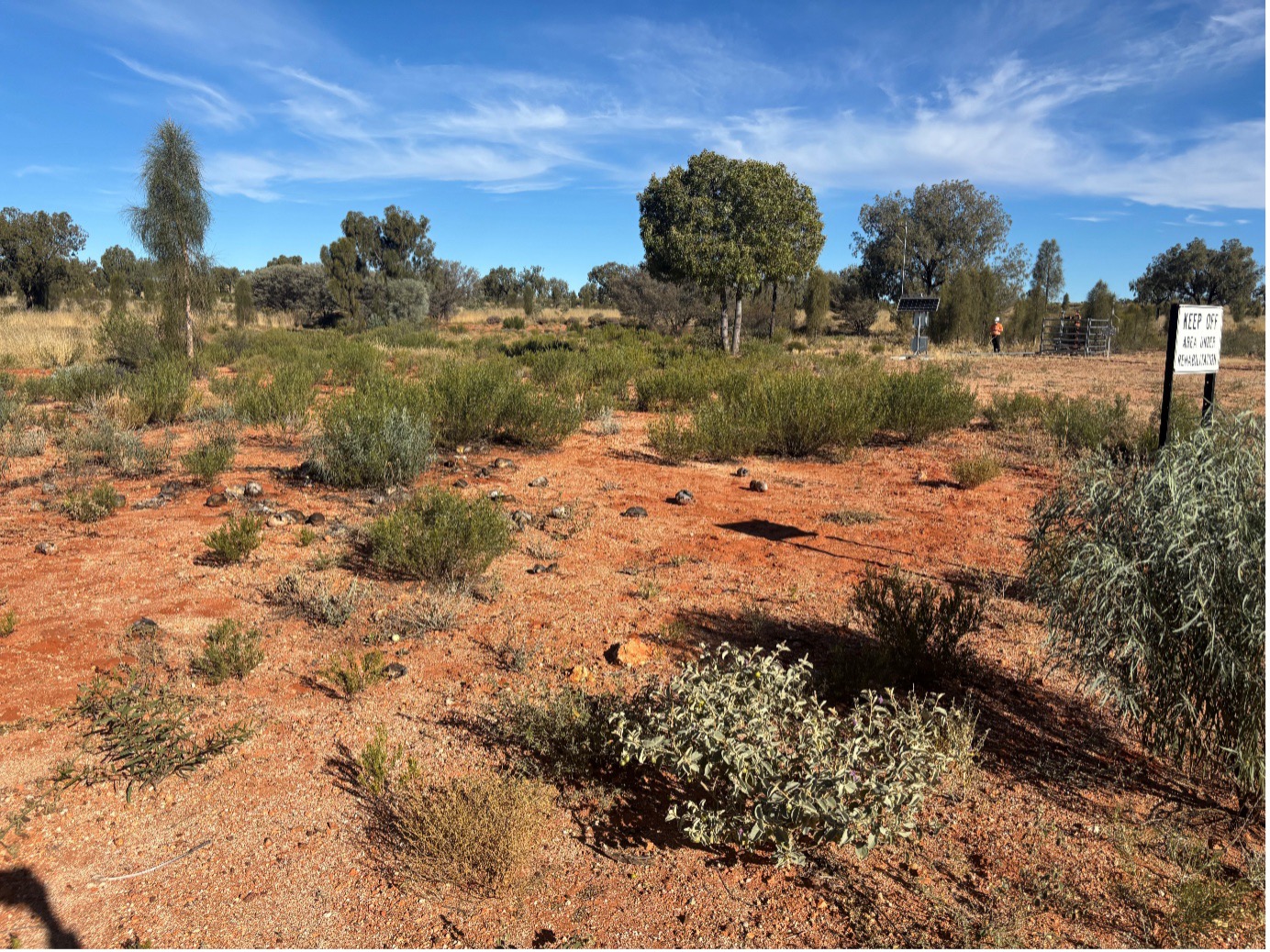
Progressive rehabilitation being undertaken at a well reduction project
Restoring Ecosystem Function in Rehabilitated Landscapes
Successful rehabilitation is about far more than simply establishing vegetation cover. The ultimate objective is to restore ecosystem function, the natural processes that allow an ecosystem to sustain itself over time. An area may appear visually rehabilitated, yet still lack important ecological functions such as nutrient cycling, habitat provision, seed dispersal, water infiltration, and natural regeneration processes. Effective rehabilitation therefore focuses on recreating the conditions necessary for these ecological functions to return.
This may involve restoring natural landforms and drainage patterns, replacing topsoil, managing weeds, re-establishing native vegetation communities, and reinstating structural elements such as woody debris, fallen timber, leaf litter, rocks, and habitat features. These elements provide shelter for wildlife, improve soil health, capture seed, retain moisture, and support the re-establishment of ecological processes. The goal is not necessarily to recreate an exact replica of the pre-disturbance environment but to establish a self-sustaining ecosystem that is stable, resilient, and capable of supporting biodiversity and ecological functions into the future.
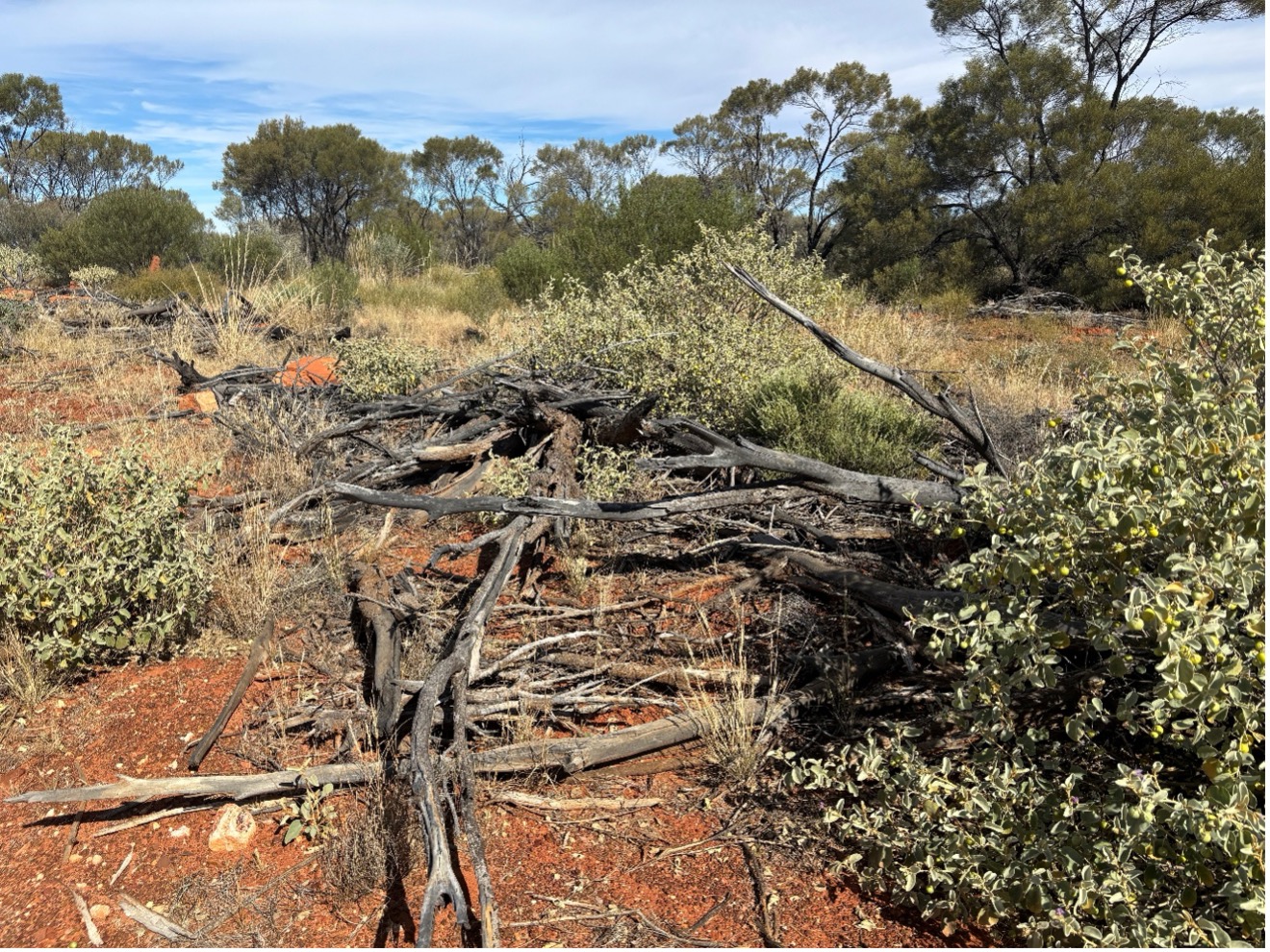
Reinstating wood debris is just as important as revegetation itself
Managing Residual Environmental Impacts Through Offsets
Despite best efforts to avoid, minimise, and rehabilitate disturbance, some residual impacts may remain. In these circumstances, offsetting or compensatory measures may be required. Environmental offsets involve actions that compensate for unavoidable impacts by protecting, restoring, or enhancing environmental values elsewhere. Examples may include funding conservation initiatives, protecting habitat through land management agreements, undertaking revegetation programs, or supporting biodiversity enhancement projects. Offsets should only be considered after all reasonable efforts have been made to avoid and minimise impacts. They are not a substitute for good environmental management or effective rehabilitation practices. Rather, they represent the final step in addressing impacts that cannot be fully mitigated through other means. Those impacts are quantified through environmental impact assessment.
A Framework for Better Environmental Outcomes
The rehabilitation hierarchy provides a practical and defensible framework for managing land disturbance throughout the life of a project. By prioritising avoidance, minimising unavoidable impacts, rehabilitating progressively, restoring ecosystem function, and addressing residual impacts, organisations can achieve better environmental outcomes while reducing long-term liabilities and rehabilitation costs.
Ultimately, effective rehabilitation is not simply about returning disturbed land to a visually acceptable condition. It is about creating resilient landscapes that can support ecological processes, biodiversity, and future land uses long after operations have ceased. The rehabilitation hierarchy provides the roadmap for achieving this outcome and ensuring environmental stewardship remains at the centre of responsible land management.
As regulatory expectations continue to evolve across Australia’s resources, infrastructure and development sectors, organisations that integrate the rehabilitation hierarchy into project planning are better positioned to achieve regulatory compliance, reduce closure liabilities and deliver enduring environmental outcomes. If you have questions about rehabilitation planning and programs, reach out to us: https://appliedes.com.au/contact-us-environmental-consultants-brisbane/
Native gardens are becoming essential features of sustainable urban living, offering numerous environmental benefits right in our own backyards. By planting native species, we help support local wildlife, improve soil health, and reduce the need for water, pesticides and fertilisers. Native gardens are more than just aesthetically pleasing, they are vital ecosystems that foster biodiversity and strengthening the resilience of our urban environments.
Supporting Local Wildlife
One of the greatest advantages of native gardens is their ability to provide essential habitat for local wildlife. Birds, insects, small mammals and reptiles find food, shelter and nesting opportunities among native plants helping sustain local populations threatened by habitat loss.
Skinks and geckos, for example, thrive in these urban garden environments using ground cover, rocks and native flora. They also control insect populations naturally further contributing to garden health.
Native plants are also uniquely adapted to the local climate, requiring less water, fertilisers and maintenance than exotic species. This makes them not only biodiversity friendly but also cost-effective, reducing resource consumption while creating a self-sustaining ecosystem.
A Community Approach to Restoration
In Noosa, not-for-profit organisations like Urban Wildlife Gardens (UWG) are pioneering efforts to integrate native gardens into environmental restoration initiatives. Through home garden visits, UWG provides expert advice on enhancing biodiversity in residential spaces and offering free native plants tailored to local conditions. They also distribute educational newsletters, inspiring residents to transform their backyards into thriving ecosystems that support native flora and fauna.
By restoring urban habitats, these initiatives help conserve endangered species while strengthening regional biodiversity.
Community-driven approaches such as these demonstrate how small, individual actions can collectively contribute to broader environmental goals. Learn more about how UWG is transforming urban spaces with native gardens at https://urbanwildlifegardens.org.au.
Making an Impact Through Native Gardening
Choosing native plants for our gardens isn’t just about aesthetics, it’s a powerful step toward environmental sustainability. These simple yet meaningful changes enhance local ecosystems while supporting global efforts to preserve biodiversity. By embracing native gardens, we contribute to broader ecological goals that align with global conservation efforts, including the United Nations Sustainability Development Goals.
Native gardens advance the following Sustainability Development Goals.
Our Commitment
Applied Environment & Safety’s Director, Melanie Dixon, has been a member of UWG for over five years and is committed to gardening which supports local biodiversity. Melanie has targeted the removal of environmental weeds from her garden and planting with local species suited to the micro-climates of the garden. Melanie says that “The birds, insects and lizards that are attracted to my garden is quite amazing”.
While working on construction projects in Queensland, it’s important to be aware of how your work might affect local wildlife. The Nature Conservation Act 1992 focuses on protecting nature, especially wildlife and their habitats, while ensuring any use of these natural resources is sustainable.
If your project could impact the breeding places of protected animals, from those that are critically engandered to those considered least concern, you’ll need a Species Management Program (SMP). Breeding places include not only obvious spots like birds nests or tree hollows but also less visible areas where animals like frogs and reptiles breed.
What does an Species Management Program do?
An SMP helps to:
Spot risks – identify any potential threats to animal breeding sites due to your project
Manage impact – put in place measures to avoid to minimise any harm to these sites, both now and in the future
Keep track – set up monitoring and reporting to ensure your efforts are effective and compliance reporting can be completed
Types of Species Management Programs
There are two types of SMPs:
High risk – for species that are colonial breeders (e.g. groups of animals of the same kind co-existing in close association for breeding purposes), special least concern, near threatened, vulnerable, endangered or critically endangered
Low risk – for species of least concern that aren’t colonial breeders
Species Management Programs and other approvals
Keep in mind, an SMP doesn’t cover everything, such as clearing vegetation, which might need approval under other laws like the Planning Act 2016 or the Vegetation Management Act 1999. Those sit under state environmental approvals.
The bottom line
If you’re in construction, knowing the ins and outs of the Nature Conservation Act 1992 and SMPs is crucial. It ensures you’re not only following the rules but also playing a part in protecting Queensland’s wildlife. Proper environmental planning and approvals work, alongside the SMP guidelines, will help you reduce your project’s environmental impact while keeping your project on track.
Applied Environment & Safety’s carbon neutral certification with Climate Active continues
Applied Environment & Safety has maintained certification as a certified carbon neutral company through Climate Active. While we are a small business with relatively low carbon emissions, we believe in playing our part in protecting the climate and implementing sustainable business practices. By achieving Climate Active certification, we join a collective group of companies committed to environmental sustainability by reducing carbon emissions and climate change impacts.
What is Climate Active?
Climate Active is an Australian Government initiative and organisation that certifies businesses, products, services and events as carbon neutral. Climate Active certification is awarded to Australian businesses that have met rigorous requirements to achieve net zero carbon emissions. This requires a business to credibly reduce their greenhouse gas emissions and then offset any remaining emissions through the purchase of carbon offsets.
We believe in leading by example and promoting environmental sustainability and we have been certified as a carbon neutral organisation since 2021.
This certification demonstrates our committment to sustainable business practices. Our Climate Active certification ensures we are accountable for our carbon footprint and this is one aspect of our formalised sustainability goals.
How does Applied Environment & Safety maintain carbon neutral certification?
Each year to maintain carbon neutral certification, we are required to complete Step 2 to 6 of the Climate Active certification process pictured below:
By following this process, our clients can have confidence that by working with us, they are supporting our carbon neutral operations; having a net zero impact on climate change while engaging our services; and working with an organisation dedicated to sustainability and continuous improvement.
In the construction industry, implementing effective erosion and sediment controls is essential for minimising environmental impact. Erosion of soil and sedimentation into waterways from construction sites can significantly harm local waterways, ecosystems, and other infrastructure. Erosion and sediment controls measures, such as ground cover, sediment basins, and erosion control blankets, help prevent soil erosion and minimise sediment runoff.
With each storm system across Australia, erosion results in plumes of sediment within waterways and into the oceans, significantly altering the water chemistry and ecosystem function. A recent study from the University of Queensland determined that southeast Queensland’s Moreton Bay area of clean sand which is prime habitat for dugongs has reduced from 442 km2 fifty years ago to only 30 km2 today. The deposition of sediment smothers underwater plants and deteriorates ecosystem health. This fine sediment pollution, transported from as far as Toowoomba within the Brisbane River catchment, is caused predominantly from land use changes and loss of vegetation.
By prioritising erosion and sediment controls, construction projects can demonstrate environmental responsibility, comply with regulations, and protect natural resources. This includes the development and implementation of Sediment and Erosion Controls Plans. Effective planning and implementation of controls can assist with project budgets and timelines through improving site access during wet conditions and minimising rehabilitation costs.
If you are unsure of your requirements sediment and erosion control, then reach to us today.
Stay tuned for more posts about the latest in best practice for erosion and sediment control.
Impact Mitigation: Bird Nest Monitoring and Management
Applied Environment & Safety have been supporting Enerven on the Eyre Peninsular Transmission Line Demolition project. This decommissioning project involves the demolition and disposal of two transmission lines and site rehabilitation. In total, 507 structures over about 213 km have been decommissioned from Whyalla to Port Lincoln in South Australia.
Our team contributed their operational experience to support onsite environmental and land access management for the project, focussing on biosecurity, landholder management and protection of flora and fauna.
One challenge on the project was the management of birds nesting in towers to be demolished. The project approval allowed for the destruction of birds’ nests, however it was opted not to impact species listed as endangered, vulnerable or rare under the National Parks and Wildlife Act 1972.
Our onsite Environmental Consultant, Lachlan Peace, supported the project team by delivering and implementing the Bird Management Procedure. Lachlan led the collection of field data in order to identify species and lifecycle information. He also developed training information for work crews to ensure minimal disturbance to birds’ nests.
The procedure and field data informed project scheduling to allow protected birds to naturally fledge. In total, 37 nests were identified, two of which were considered rare and protected, the Peregrine Falcon and Black Falcon.
Efficient implementation of the procedure and onsite support from Lachlan resulted in minimal delays when encountering birds’ nest and ensured the project could comply with best practice to protect native fauna.
We believe in working closely with our clients to build supportive relationships. By working together, we have been able to ensure positive environmental outcomes for this project.
Five Tips for Preparing a Site Based Environmental Induction
Preparing and delivering a site based environmental induction takes specific skills and knowledge. It may seem like a fairly simple process however many people get it wrong or miss the point. Most site based environmental inductions are too long, not interactive and generally not understood by the audience. This means poor outcomes in regards to communicating with your employees and contractors about the environmental issues and controls of your business or project.
Why is it important to prepare great site based environmental inductions
These inductions are often the primary time you have with your staff and contractors to share information on approvals and key environmental risks and sensitivities. As well as mitigation and management strategies to be implemented and how to respond in the event of an environmental hazard or incident.
It’s a lot of information to share!
To help, we’ve pulled together our top five tips for creating a site based environmental induction that will engage and educate your audience.
Five Tips
1. Keep it short and simple
It is 6:30am on a brisk winter morning and you are delivering an induction to the newbies onsite. They are tired, anxious and just wanting to get through their first day of work. Keep your induction simple, an appropriate length and targeted to your audience including their specific role and responsibilities.
2. Use appropriate language
Avoid acronyms, technical terms and references that your audience will not know or understand. It may seem appropriate to quote all relevant legislation and hierarchy of documents for the business or project however this will bore your average operator. Rather than quoting legislative requirements, use more interactive communication such as saying “did you know that we all have a responsibility in regards to protecting the environment?” and then discuss the relevant requirements.
3. Use pictures and other prompters
We all know when we have attended an amazing presentation from a gifted speaker that uses no slides or other props to deliver a strong message. Try to use this method to deliver your induction and engage with your participants rather than just reading presentation slides.
4. Make it interactive
Let your audience do some of the work. Asking questions can gauge the level on pre-existing knowledge you audience already has and it keeps them engaged throughout the induction. Most importantly, asking questions and getting feedback will provide confirmation that your audience understands the content.
5. Keep it up to date
There’s nothing worse than a presentation that has been obviously cut together from a previous business or project or has outdated or irrelevant information. Typically this will be picked up by your listeners and you will lose all credibility.
After the site based environmental induction
The induction is not the only time you have to communicate environmental information to staff and contractors. To reinforce important environmental risks, such as exclusion zones, or provide more detail on processes, such as the spill response procedure, additional tools like environmental alerts and toolbox talks can be used to support environmental education.
When you’re following our tips and developing a concise site based environmental induction, take note of the key topics that could benefit from further explanation. This will be your prompt to detail and develop a suite of supporting information materials. These materials can be placed up on noticeboards in key areas of the workplace, shared at toolbox talks or distributed in work packs.
Do you need assistance?
We have extensive experience in the development and delivery of environmental inductions and training materials.
Contact us if you need support or have a detailed question for one of our team of experts.
The team at Applied Environment & Safety includes four very important members who provide all day support to our ‘human’ team, well…….. when they’re not snoozing.
Lottie, Zeena, Milly and Peanut are the canine companions to our team members Melanie, Lachlan and Allison.
Lottie the Frenchie and Zeena the Frug (Frenchie x Pug) love playing frisbee, swimming in the river and snoozing together.
Milly the Australian Shepherd loves gardening, playing at the beach and herding sheep.
Peanut the Kelpie Cross loves playing with Turtle (her stuffed toy), snoozing in the sun and snacks.
They’re usually close by whilst we’re working from home and are eagerly waiting for us to return home safely when we’re working away on project sites.
Applied Environment & Safety have recently reviewed and updated our Health, Safety and Environmental management system to include quality. This is part of our routine review and update of the system. Reviews of management systems are a key component of the continuous improvement cycle.
Further to our management system review and update, we have updated this article to include information on quality management systems, reflecting the update in the Applied Environment & Safety management system.
This article provides the perfect introduction to best understand management systems, covering the following key topics:
What are management systems;
What are the typical elements of a management system;
How to ensure your management system is effective;
Key management system standards you should know:
ISO 14001:2015 – Environmental management systems;
ISO 45001:2018 – Occupational health and safety management systems;
ISO 9001:2015 – Quality management systems;
Integrated management systems; and
Why are management systems important.
What are management systems
A management system is the way in which a business manages the interrelated parts of its operations in order to achieve its objectives. These objectives can relate to a number of different business aspects including health and safety, environmental performance, product or service quality, operational efficiency and many more.
The level of complexity of the management system will depend on business specific context. For some businesses, especially smaller ones, it may simply mean having strong leadership from the business owner, providing a clear definition of what is expected from each individual employee and how they contribute to the overall organisational objectives, without the need for extensive documentation. More complex businesses operating, for example, in highly regulated sectors, may need extensive and detailed documentation and controls in order to fulfil their legal obligations and meet their organisational objectives.
What are the typical elements of a management system
Management systems are tools for managing complexity. They are about setting goals and considering organisational conditions, deriving actions and measures from the goals, and reliably completing tasks to achieve the goals through clear processes and responsibilities.
Management systems are made up of a series of interconnected elements that drive continual improvement of a particular discipline or aspect of an organisation such as safety, quality and environment. These elements all serve to support the overarching purpose of the system which is to drive continual improvement toward a policy, vision or value expectation.
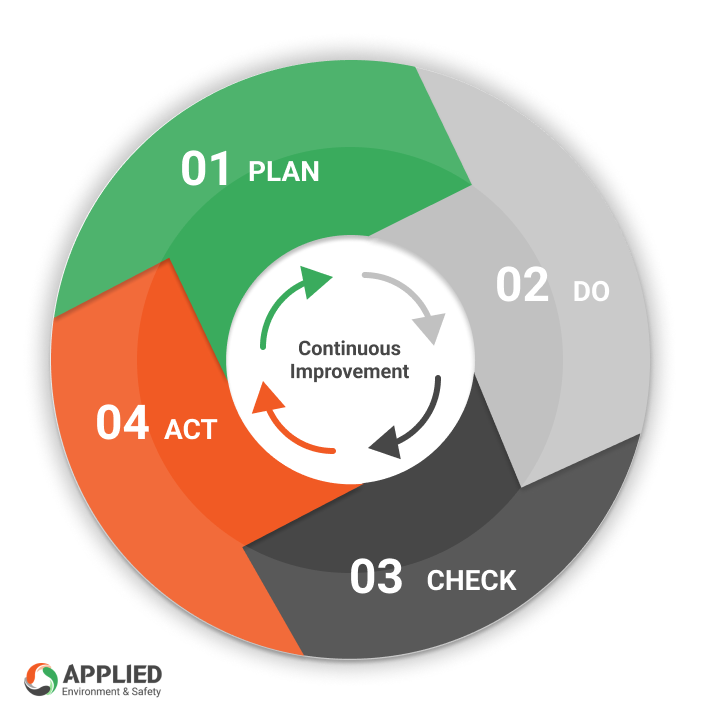
In order to deliver continual improvement consistently across an organisation, measures are required that affect all areas – from top management to trainees. Management systems, therefore are typically based on a four-phase cycle: Plan, Do, Check, Act.
Four-phase cycle: Plan, Do, Check, Act
Here are the phases of the Plan, Do, Check, Act cycle explained in simple terms:
1. Plan The first step to any system planning or process improvement is to figure out what you need to do. Like any project plan, this includes a variety of information, such as: – Objectives and success metrics; – Deliverables or end result; – Stakeholders; – Timeline; and – Any relevant risks or constraints.
2. Do Once you have a plan, the next step is to put it into action and try it out. We would suggest implementing your plan on a small scale to ensure it works.
3. Check Review the implementation of the Do phase to ensure everything went according to your plan. More likely than not, you will identify things to improve on during the Do phase. After all, it is called the continuous improvement cycle and the Check phase is critical to finding these small things before they get too big and problematic.
4. Act After reviewing, move to the Act phase, which includes rolling out the full plan or process improvement. Don’t forget that this is a cycle, if you need to, return to the Plan phase to continuously improve your project or processes.
How do I ensure my management system is effective
One of the best ways to ensure that you management system is effective with all the applicable processes is to refer to a standard set of requirements. Management system standards (MSS) are codes, guidelines or processes used by an business to formalise, systematise and legitimise their activities or tasks.
MSS can improve business performance by specifying repeatable steps that can be implemented to achieve goals and objectives. As well as create an organisational culture that engages in a continuous self-evaluation, correction and improvement through employee awareness and management leadership and commitment.
Key management system standards (MSS) you should know
There are internationally recognised standards for management systems including ISO 9001 (quality), ISO 14001 (environmental) and ISO 45001 (occupational health and safety). These standards define processes, procedures and records requirement for a successful management system.
These management systems can be the subject of ISO certification. A summary of the key MSS are outlined below.
ISO 9001:2015 Quality management system
ISO 9001:2015 sets out the criteria and requirements for establishing, maintaining and continually improving a system that helps businesses consistently deliver services or products that meet customer requirements and complies with applicable regulations. The standard places a strong emphasis on risk based thinking and context analysis as well as the need for businesses to regularly review and update their quality management system to ensure it remains effective and is aligned with strategic objectives.
ISO 14001:2015 Environmental management systems
ISO 14001:2015 helps businesses achieve the intended outcomes of their environmental management. This includes enhancement of environmental performance, fulfilment of compliance obligations and achievement of environmental sustainability objectives.
ISO 45001:2018 Occupational health and safety management systems
ISO 45001:2018 provides a systematic approach to managing health and safety in the workplace. The standard helps businesses to establish, implement and maintain processes to eliminate hazards, minimise risks and address nonconformities. It provides guidance on how to use management processes to prevent work-related injuries and illnesses, as well as how to proactively improve workplace health and safety performance.
Integrated management systems
An integrated management system (IMS) is a single system designed to manage multiple aspects of a businesses operations in line with multiple standards such as quality, environment and health and safety management. Ultimately, quality, environment and health and safety control have many common points, and all work towards the goal of making businesses more effective and efficient. Therefore these systems can be integrated to minimise duplication or creating extra work for staff.
In practice, an IMS involves merging existing formal systems and implementing specific best practices business wide.
Why are management systems important
A management system is an effective method of documenting processes and ensuring consistency in implementation. As well as identifying opportunities for improvement.
The benefits of an effective management system include:
More efficient use of resources and improved financial performance;
Improved risk management and protection of people and the environment;
Ensuring compliance with regulatory and best practice obligations; and
Increased capability to deliver consistent and improved services and products, thereby increasing value to customers and all other stakeholders.
Do you need assistance?
We have vast experience in the development, implementation and review of management systems.
Our experience includes:
Management system review and gap analysis;
Development of management system documentation including policies and standards;
Environmental management procedures;
Safe operating procedures;
Forms and checklists; and
Auditing of management system compliance and opportunities for improvement.
Contact us if you need further support or have a detailed question for our team of experts.
Recently an Applied Environment & Safety employee spotted a suspected fire ants nest in their front yard. They spotted a loose mound of soil with no entry or exit holes. This was a key fire ant nest indicator that they recalled from the Department of Agriculture and Fisheries National Red Imported Fire Ant Eradication Program training from years ago.
The suspected nest was reported using the National Fire Ant Eradication Program’s (NFAEP) online reporting form. Two days later a crew from the NFAEP visited to confirm the nest was fire ants, take a sample of the ants, treat the nest and provide our employee with some tips on further reporting and treatment.
A couple months and a second round of treatment later, the ants are no longer present in their yard.
If you live or work in South East Queensland, keeping an eye out for fire ants is important to help eradicate fire ants from Australia. The following information on identification, reporting, treatment and training can assist in contributing to the effort.
Looking for Fire Ants
Fire ants may be small, but they can have devastating consequences on our environment, economy, human health and outdoor way of life. They can destroy crops, damage machinery, kill native flora and fauna and render backyards and parks unusable. In rare cases, fire ant stings can also lead to a severe and sometimes fatal reaction in humans.
Fire ants and their nests
Unlike other ants, fire ants are aggressive and will swarm when disturbed. They are also smaller and look a little different than you might think. Their distinguishing features are:
– Copper brown in colour with a darker abdomen;
– Measure 2 – 6 mm in size; and
– Come in a variety of sizes in the one nest.
Their nests can appear as mounds or flat patches of loose sifted soil with no obvious or exit holes. They are commonly found in warm, open areas such as:
– Lawns;
– Footpaths and driveways;
– Garden beds and piles of organic matter;
– Near water sources, including taps, dams and irrigation lines;
– Utility pits;
– Edges of cultivated land;
– Cropland post-harvest; and
– Fence lines.
When looking for fire ants, ensure you wear appropriate personal protective equipment, such as boots and gloves. If you find a suspect ant or nest, use a long stick and gently prod the nest, and inspect any ants present.
Biosecurity Queensland (12 May 2023). Fire ant identification video [Video]. Youtube. https://www.youtube.com/watch?v=_XL6QWRHZes
Don’t spread fire ants
Fire ants are highly mobile and adaptive, the greatest risk to spread is human-assisted movement. They disperse quite slowly on their own, but people speed them up through the movement of organic materials. If disturbed, a fire ant queen can fly up to 5 km to start a new nest and raft on water following floods and wet weather events.
The pest likes to nest in soil, baled hay, mulch, manure, quarry products, turf and potted plants. This is why people working with these materials in South East Queensland, at home or at work, should follow the fire ant biosecurity zones and movement restrictions in the Biosecurity Regulation 2016. Penalties can apply to individuals or companies found to move the pest.
Under the Biosecurity Act 2014, all Queenslanders have a general biosecurity obligation (GBO) to manage any biosecurity risks and threats:
– Under their control;
– That they know about; and
– That they are expected to know about.
Fire ant biosecurity zones are in place to help prevent fire ants from spreading through human-assisted movement.
Reporting Fire Ants
Known or suspected ants can be reported to the NFAEP by calling 13 25 23 or by completing their online reporting form.
Eradicating fire ants requires a whole-of-community approach. This includes homeowners and tenants, businesses and all levels of government. It is a legal requirement under the Biosecurity Act 2014 for everyone to take all reasonable steps to stop fire ants from spreading. This starts with reporting fire ants within 24 hours of finding them.
The NFAEP have created free self-paced online courses to support general residents, community groups, tradespeople who work outdoors, school staff and primary producers in learning more about fire ants and how to manage them. The training can be completed on a computer, laptop or mobile device. There are three specific training packages available:
Business sustainability is increasingly important with organisations committing to net zero targets and other environmental goals; consumers demanding sustainable products; and corporations seeking ‘green’ supply chains. Getting ahead in implementing sustainable practices can set businesses apart from their competition. As well as boost their efficiency, improve their ability to withstand challenges, and benefit their community and the environment.
Business sustainability goes beyond short-term profit maximisation. It embraces a broader perspective that encompasses environmental stewardship, social responsibility, and economic resilience. Business sustainability also recognises that businesses operate within a larger ecosystem and community. This includes having a responsibility to minimise their negative impacts on the environment, society, and stakeholders while maximising positive contributions.
Sustainability maturity refers to how an organisation approaches sustainability as well as the level to which an organisation has achieved in integrating sustainability principles and practices into its operations, decision making processes and strategy. Sustainability maturity acknowledges that organisations develop over time in their commitment and become increasingly capable of addressing sustainability.
A business with low sustainability maturity will have little to no strategic or operational considerations for sustainability. Any environmental measures or tracking that has been implemented is unlikely to extend beyond existing regulations. They may anticipate the need to adapt in the future but have yet to implement additional sustainable practices.
Businesses that have progressed further on their sustainability journey are likely to have taken steps beyond basic compliance with regulation. The drivers of implementing sustainable practices include external forces outside regulation, such as consumer demand and other market pressures.
Businesses at the far end of their sustainability maturity journey have implemented initiatives across the entirety of the businesses. Such businesses are driven internally to pursue sustainable innovation, with sustainability being a primary factor in decision making throughout all levels of the organisation. Sustainability is viewed as brand enhancement and a driver of long term growth.
The Sustainability Maturity Path, pictured below from PWC and adapted by Ecochain, shows the six stages of the pathway together with the drivers and value methodology.
Top reasons for businesses to advance their sustainability maturity as identified by Business Chamber Queensland in the Advancing Business Sustainability Report include:
– Becoming more competitive by differentiating from competitors;
– Avoid being left behind in changing and developing markets;
– Enhancement in business resilience; and
– Reduction in the risk of business disruptions.
Business Sustainability at Applied Environment & Safety
We believe in promoting business sustainability and leading by example.
We really believe that every person and every business can make a difference. You don’t need to be a big organisation, or spend a lot of money, there are sustainable options, sustainable choices for everyone and every business.
Melanie Dixon – Director and Principal Consultant
As a company, we provide environmental, land access and safety consulting services across a wide range of projects. Our team focuses on the practical and best practice aspects of planning, implementation, and compliance. We aim to improve the performance of the projects that we support to add value and ensure sustainable outcomes for our clients.
As a business, Applied Environment & Safety has moved into the leadership step of the sustainability maturity path. We have invested in strategic programs to support our sustainability journey, including undertaking the ecoBiz program, and obtaining carbon neutral accreditation. For more information, read about Who We Are.
ecoBiz
Applied Environment and Safety have utilised the free ecoBiz program as one of the ways to track their environmental performance. Through this process, we have obtained a quantitative measure of our energy, water, and waste usage. As a result of the program, we have implemented several initiatives to reduce energy and water consumption and waste production, earning a three-star partnership from ecoBiz by reducing energy, water and waste consumption relative to their productivity, by more than 10%.
Carbon Neutrality
Applied Environment and Safety have successfully become carbon neutral through Climate Active certification. This involved quantifying and reducing emission and then offsetting any remaining emissions to achieve a netzero carbon emissions output. Following obtaining carbon neutral accreditation, we have developed a five-year carbon emissions reduction strategy. This involves transitioning our vehicle fleet to electric vehicles and reducing the emissions in our supply chain through supporting other carbon neutral businesses. Another goal includes a shift towards zero waste. These initiatives require on-going monitoring and the setting of environmental key performance indicators that can be considered at every level of our business.
If you need some advice about minimising your environmental footprint or your carbon neutral journey, our sustainability consulting team can help. Feel free to Contact Us with your questions and queries.
Psychological safety refers to the belief that one can express themselves without fear of negative consequences such as humiliation, rejection, or punishment. It is the sense of security that people feel when they believe that their opinions, feelings and ideas will be respected and valued by others. As well as that they will not be subjected to ridicule, blame, or retaliation for expressing them.
Psychological safety is highly relevant to organisations and employers as it plays a significant role in shaping the culture and climate of the workplace.
What is a psychological hazard?
A psychosocial hazard is anything that could cause psychological harm which could for example impact on someone’s mental health. They arise from or are in relation to:
The design or management of work;
The working environment;
Plant at a workplace such as machinery, equipment, appliances, containers, implements and tools; or
Workplace interactions or behaviours.
Psychological hazards can create stress which can cause psychological or physical harm. Stress itself is not an injury, but if it becomes frequent, prolonged or severe it can cause psychological and physical harm.
Psychological harm may include anxiety, depression, post-traumatic stress disorder or sleep disorders. Physical harm may include musculoskeletal injuries, chronic disease or fatigue related injuries.
Psychosocial hazards may interact or combine to create new, changed or higher risks. It is important to consider all the psychosocial hazards workers may be exposed to when managing psychosocial risks.
Some hazards may not create psychosocial risks on their own, but may do so if combined with other hazards.
How do employers identify psychological hazards in workplaces?
Employers can identify psychological hazards in the workplace by conducting a risk assessment. Other methods that can be used to identify psychological hazards can include:
Worker and Employee Consultation
Engage with management, staff, key stakeholders, etc. through collaborative workshops to discuss operations and tasks to identify any issues or concens related to psychological health and safety in the workplace.
Encourage feedback. This is critically important for larger businesses where management cannot oversee all aspects of work. Front line workers are a great asset for identifying and reporting hazards.
Workplace Inspections and Audits
Regular workplace inspections, audits and observations help to identify potential hazards, such as unsafe working conditions, that may impact worker psychological health and safety.
Incident Reporting and Review
Review reports of hazards, incidents or complaints related to workplace bullying, harassment and stress to identify potential hazards.
Review Workplace Policies and Procedures
Employers, with the engagement of employees, can review workplace policies and procedures to identify any potential hazards or gaps in current practices.
Once potential psychological hazards have been identified, organisations and employers can take steps to eliminate or minimise their impact on workers. This may involve implementing new policies and procedures, providing training and education, and making changes to the physical work environment.
For further information on the four steps of hazard identification and risk management, refer to our Introduction to Hazard Identification and Risk Management article.
Approaches and examples of psychologically safety in the workplace
There are several key initiatives that organisations and employers can implement to create a psychologically safe workplace that promotes well-being and productivity of employees. The table below lists key approaches and examples of psychological safety initiatives.
Psychological Safety Approaches
Examples
Establish clear expectations and policies that promote a culture of respect and inclusivity.
Developing policies and procedures related to workplace bullying, harassment, and discrimination and providing training and education to employees on these issues.
Encourage open communication by establishing clear channels for employees to voice their concerns and ideas.
Regular team meetings, anonymous feedback systems, and regular check-ins with employees.
Provide training and development opportunities.
Opportunities for employees to build skills, confidence, and resilience through training and development programs, coaching and mentoring, and other support services.
Foster a positive work environment.
Recognise and reward employee contributions, celebrate successes, and promoting a sense of belonging among employees.
Manage workloads and resources.
Manage workloads and resources to ensure that employees are not overworked or overstressed through providing additional resources, such as staffing or equipment, and monitoring workloads to ensure that they are manageable.
Promote work-life balance.
Providing flexible work arrangements, such as part-time work, job-sharing, or telecommuting, and promoting work-life balance policies and programs.
Upcoming legislative changes in Queensland
From 1 April 2023, persons conducting a business or undertaking (PCBU) in Queensland will have a positive duty under the Work Health and Safety Act 2011 (Qld) to manage psychosocial risks in the workplace. Similar requirements are already in effect in New South Wales, with new duties to manage psychosocial risks commenced in the Work Health and Safety Regulation 2017 (NSW) on 1 October 2022.
This means that organisations and employers must be proactive in identifying and managing psychosocial hazards in the workplace, such as workplace bullying, harassment, and stress, and take steps to eliminate or minimise their impact on workers.
Overall, promoting psychological safety in the workplace can lead to a more positive and productive work environment, where employees feel valued, supported, and empowered to contribute to the success of the organisation.
Do you need assistance?
We have vast experience in the review, development and implementation of health and safety management systems.
Our experience includes:
Management system compliance review
Review and development of management systems to Standards and other regulatory requirements
Management system documents development including policies, standards, and safe operating procedures development
Auditing of management system for compliance and opportunities for improvement
Contact us if you need further support or have detailed question for our team of experts.