

Revegetation
When we talk about revegetation, the conversation often focuses on plants, seed mixes, and vegetation cover.
But successful rehabilitation is about much more than getting plants back into the ground.
Revegetation to Ecosystem Restoration
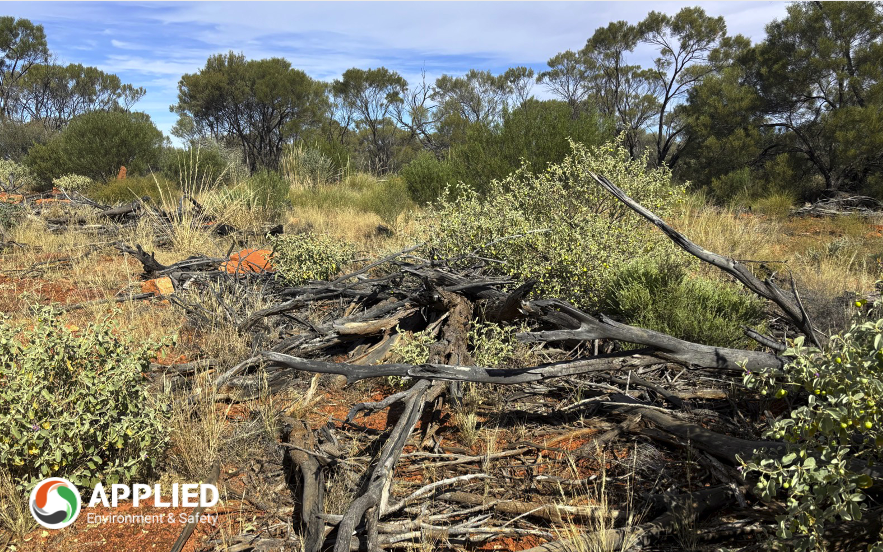
One of the most overlooked aspects of ecosystem restoration is the reinstatement of habitat features such as woody debris, fallen timber, rocks, logs, branches, and leaf litter.
These materials play a critical role in ecosystem function. They provide shelter for reptiles, insects, small mammals, and birds, create microsites where seeds can accumulate and germinate, reduce wind and water erosion, improve soil moisture retention, and contribute organic matter as they slowly decompose.
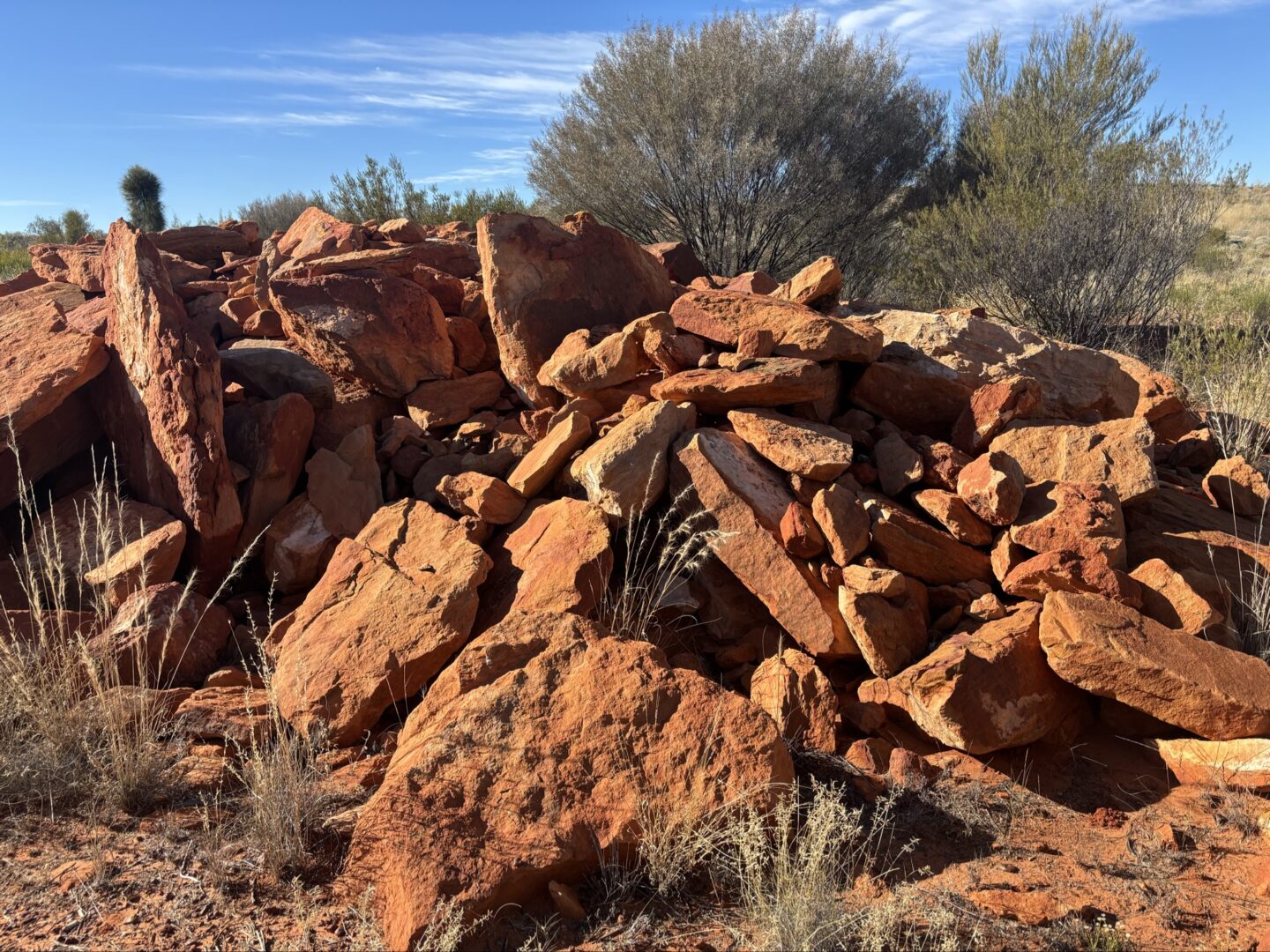
Rocky material is equally important in many landscapes. It provides thermal refuges, habitat for fauna, protection from predators, and helps recreate the natural structure of the surrounding environment.
Importantly, many of these materials can be salvaged and stockpiled during the initial land clearing phase, rather than being disposed of. As shown in the photos below, stockpiling woody debris and rocky material provides a valuable resource that can later be redistributed across rehabilitation areas to accelerate habitat recovery and restore ecosystem complexity.
Habitat Elements
Without these habitat elements, revegetation can result in a landscape that looks green but lacks the complexity needed to support a self-sustaining ecosystem.
True revegetation for rehabilitation isn’t simply about replacing vegetation. It’s about rebuilding ecosystem structure, function, and resilience.
Sometimes a strategically placed log or rock can be just as important as the plants growing around it.
The goal should always be to recreate an ecosystem, not just a plant community.
If you have questions about revegetation, reach out to us: https://appliedes.com.au/contact-us-environmental-consultants-brisbane/