

Bringing Landscapes Back to Life: Revegetation Principles from the Desert to the Rainforest
Revegetation is more than restoring vegetation – it is about rebuilding ecosystems, reconnecting landscapes and repairing our relationship with the land. Whether it is turning farm dams into living wetlands or coaxing life from a barren desert plain, the art and science of revegetation are proving that, given the right help, the land knows how to heal itself
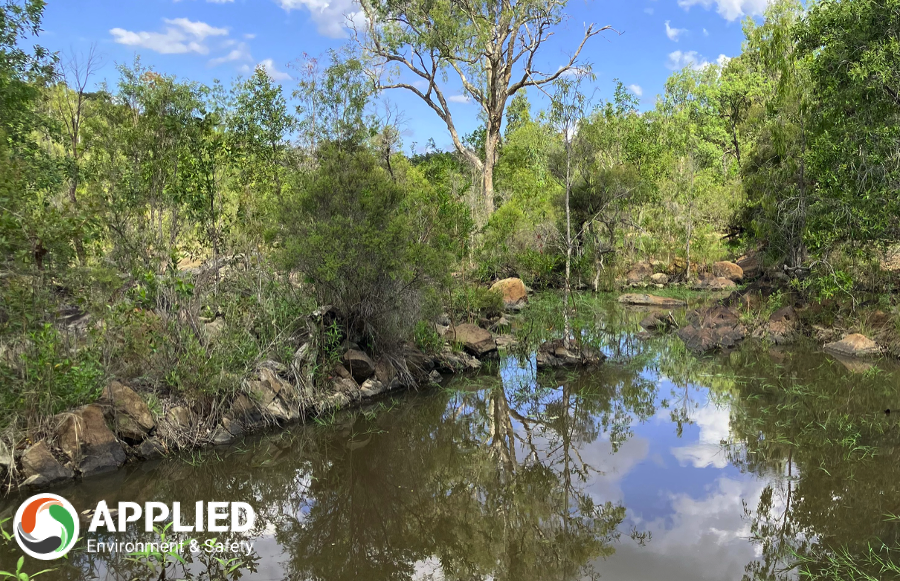
Wetlands and Waterways: Breathing Life Back into Water
Once seen merely as soggy paddocks or mosquito traps, wetlands are now recognised as ecological powerhouses – natural filters, flood buffers, and wildlife havens.
In South East Queensland, farmers and land restoration groups are working together to reimagine farm dams as biofiltration systems, lining their edges with native sedges, reeds, and rushes that soak up nutrients and sediment in runoff before it reaches rivers.
Successful wetland revegetation relies on selecting native species tailored to specific water depths. Each species has specific tolerance to inundation and oxygen availability, ensuring optimal growth, survival and effective establishment within aquatic ecosystems.
Along creeks, riparian rehabilitation projects are restoring the native forests that once shaded and stabilised waterways. Effective rehabilitation typically involves stabilising banks to reduce erosion, re-establishing native vegetation to provide habitat and shade, and excluding or carefully managing stock access to prevent further degradation.
Waterway banks can be stabilised by reshaping steep or eroded areas and reinforcing them with natural materials such as coir logs, rock armouring or geotextiles to reduce erosions from flow and runoff. Establishing riparian vegetation with a variety of root types, such as tap roots, fibrous roots, adventitious roots and rhizomatous roots, to bind the soil improves structural integrity and provides long term stabilisation of the bank.
Floating wetlands or rafts planted with aquatic vegetation that trap sediment are increasingly being used across Australia to take up nutrients and offer habitat for birds and frogs. Simple rafts can be fashioned from pipe and geofabric for domestic uses whilst large scale, commercial modules are available for lakes, wetlands and bioretention basins. Many companies are investing in floating wetland trials as early research shows the cost can be more effective than other engineering options to remove nitrogen and phosphorous.
Rainforests: Managing the Weeds, and Letting Nature do the Work
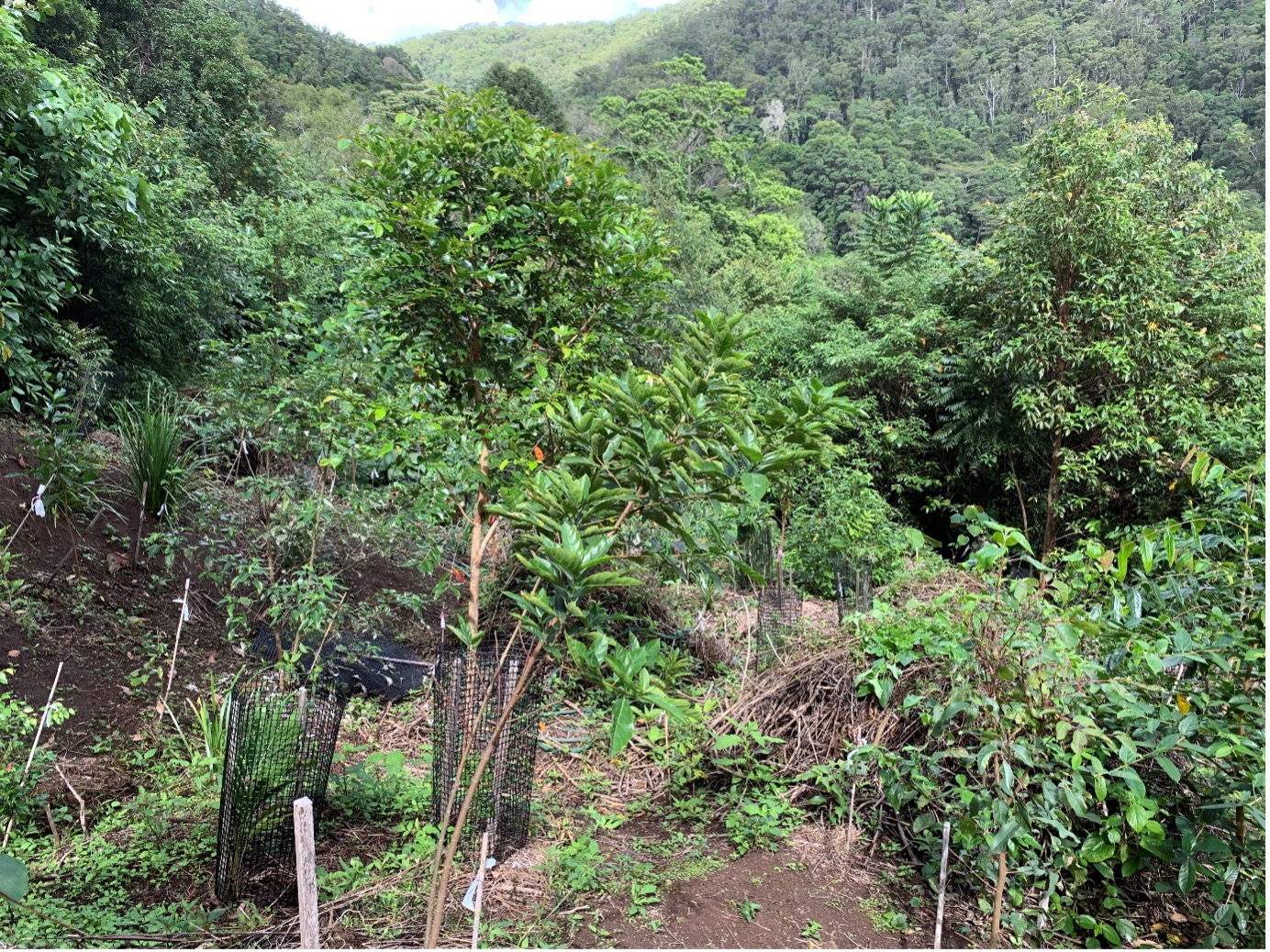
In the subtropical rainforests of South East Queensland, the greatest challenge isn’t replanting — it is removing the competition. Decades of disturbance have allowed invasive vines and aggressive shrubs to outcompete native plants. Yet, once these weeds are managed, nature often takes care of the rest.
Seed banks hidden in the soil awaken. Pioneering species such as wattles, bleeding hearts and macaranga emerge first, creating shade and shelter for slower-growing species.
Natural regeneration is the process by which vegetation recovers on its own without active planting, using existing seed banks, root stock and nearby seed sources. Given the right conditions such as reduced disturbance and competition, adequate moisture and protection from grazing, native plants can establish naturally, often resulting in more resilient and locally adapted ecosystems. In heavily degraded patches, restoration may include replanting tube stock carefully chosen to match the locations original vegetation type.
Changing Practises
The bush regeneration community is moving away from using plastic tree guards where possible to reduce the consumption of plastic. However, there is sometimes still the need to protect young trees in areas which are heavily browsed by wallabies or even dug up by native bush rats and brush turkeys.
Fencing off livestock is equally vital for rehabilitation because it prevents trampling, grazing and soil compaction that can severely hinder vegetation recovery. Livestock disturb fragile soils, damage young seedlings and contribute to erosion and sediment runoff into waterways, which degrades both terrestrial and aquatic ecosystems. By excluding stock, natural regeneration processes can occur, allowing native plants to establish and root systems to stabilise the soil.
Soon enough, anecdotal signs of recovery appear – a whipbird call, a skink darting across leaf litter, a scatter of fruit from a young rainforest tree. Biodiversity, once nearly lost, begins to reassert itself.
Deserts: Revegetation Against the Odds
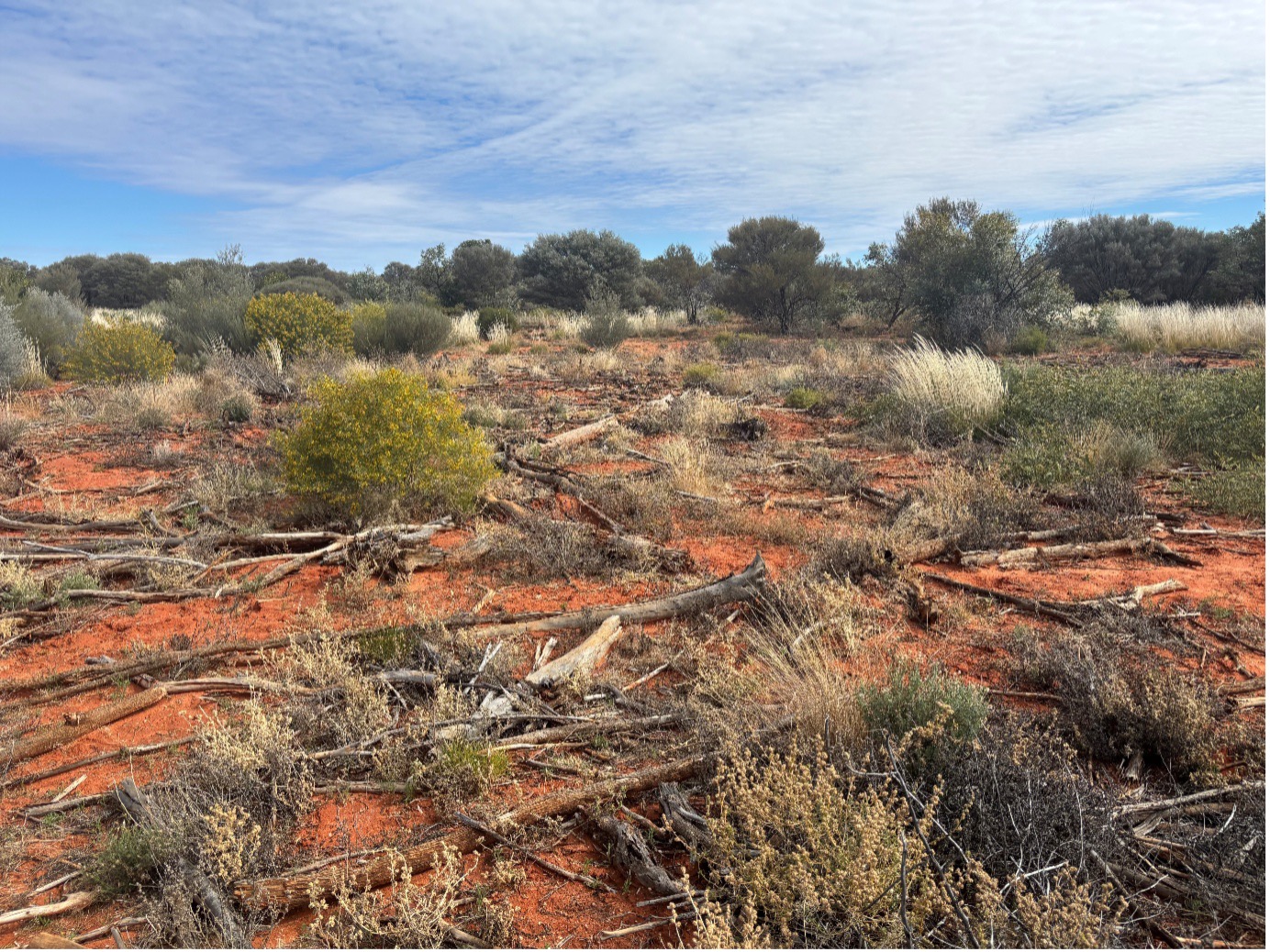
Out in Australia’s arid heart, revegetation looks different – slower, subtler, but no less remarkable.
The first step is fixing the land’s skeleton: removing any imported materials, ripping compacted soil, replacing lost topsoil, and recreating natural contours by filling pits and removing bunds that disrupt water flow.
Then comes the question of seeding. Trials show that natural regeneration, allowing wind, flood, and fauna to spread seed, can be as effective as sowing by hand. When seeding is needed, local provenance matters; using locally collected seed ensures genetic integrity and survival in harsh conditions. Where local collection is not feasible, seed can be purchased from native suppliers, however as with rainforest revegetation it is essential to only select species that are already naturally occurring on site and/or native to the regional ecosystem type. The overall goal: a mosaic of grasses, shrubs, and trees that mirrors the natural assemblage.
Timing is crucial. Plant or seed just before the wet season; too early or too late, and the effort can vanish into dust. In arid Australia, rainfall is highly variable and often limited and sometimes torrential, so timing activities to coincide with optimal conditions maximises plant establishment and survival. Poor timing can lead to high mortality, wasted resources and the need for rework, whereas aligning revegetation with favourable conditions supports more efficient, resilient restoration outcomes.
Fauna Habitat Creation
To jump-start habitat, regeneration crews leave woody debris piles, offering shade and shelter for small mammals, reptiles, and insects. They also play a role in stabilising soil, reducing erosion, retaining moisture, regulating temperature and capturing organic matter, which supports seed germination and improves overall ecosystem recovery.
Soil Sampling
On sites such as gas fields, soil sampling is often required before rehabilitating infrastructure such as flare pits and mud sumps to accurately characterise the type, extent and concentration of contaminants present, such as hydrocarbons, salts, heavy metals or drilling additives. This information is critical for determining whether soils can be treated in situ, encapsulated, require removal to a licenced facility, or need specific remediation techniques such as bioremediation.
Sampling also establishes baseline conditions to inform risk assessments, ensuring that rehabilitation measures protect human health and the environment, particularly surrounding soil and groundwater. In addition, it supports compliance with regulatory requirements and provides measurable criteria to demonstrate that remediation objectives have been achieved prior to site closure or relinquishment.
Weed Control for Revegetation
Ongoing weed control in all regenerating ecosystems is essential to successful revegetation because invasive species can rapidly outcompete native plants for light, water and nutrients, limiting establishment and altering ecosystem structure. Without continued management, weeds can dominate revegetation areas, supress natural regeneration and reducing biodiversity – often setting back rehabilitation progress.
Effective weed control supports the growth of native species, allows root systems to develop and stabilise soils and helps re-establish ecological processes. It also reduces long-term maintenance burden by preventing weed seed set and spread, ultimately contributing to a more resilient and self-sustaining ecosystem.
Successful Revegetation
Successful rehabilitation of wetlands, rainforests and desert ecosystems relies on a shared set or core principles – understanding the original ecosystem and its processes, restoring natural hydrology and soil function and selecting locally appropriate native species.
Effective rehabilitation also requires minimising disturbance, controlling threats such as weeds and grazing and aligning works with seasonal conditions to support plant establishment.
Ongoing monitoring and adaptive management are critical to respond to changing conditions and long-term success.
Ultimately, rehabilitation should aim to re-establish resilient, self-sustaining ecosystems that reflect the structure, function and biodiversity of the original environment.
For more information on revegetation, contact us: https://appliedes.com.au/contact-us-environmental-consultants-brisbane/