

What is the Rehabilitation Hierarchy? A Guide to Land Rehabilitation and Environmental Management
Rehabilitation is often viewed as the final stage of a project, something that occurs once construction or operations have ceased and equipment has been removed. In reality, effective rehabilitation begins long before the first disturbance occurs. The most successful rehabilitation programs are guided by a rehabilitation hierarchy, a structured framework that prioritises avoiding impacts wherever possible and progressively managing unavoidable disturbance to achieve the best environmental outcomes.
Across Australia’s mining, resources, infrastructure and energy sectors, the rehabilitation hierarchy is increasingly recognised as a best-practice framework for managing land disturbance and supporting closure objectives. The rehabilitation hierarchy provides a logical sequence of actions that organisations can follow to minimise environmental impacts and restore disturbed land. While the exact terminology may vary between industries and jurisdictions, the hierarchy generally consists of five key principles: avoid disturbance, minimise disturbance, rehabilitate progressively, restore ecosystem function, and offset or compensate residual impacts.
Avoid Disturbance Through Early Rehabilitation Planning
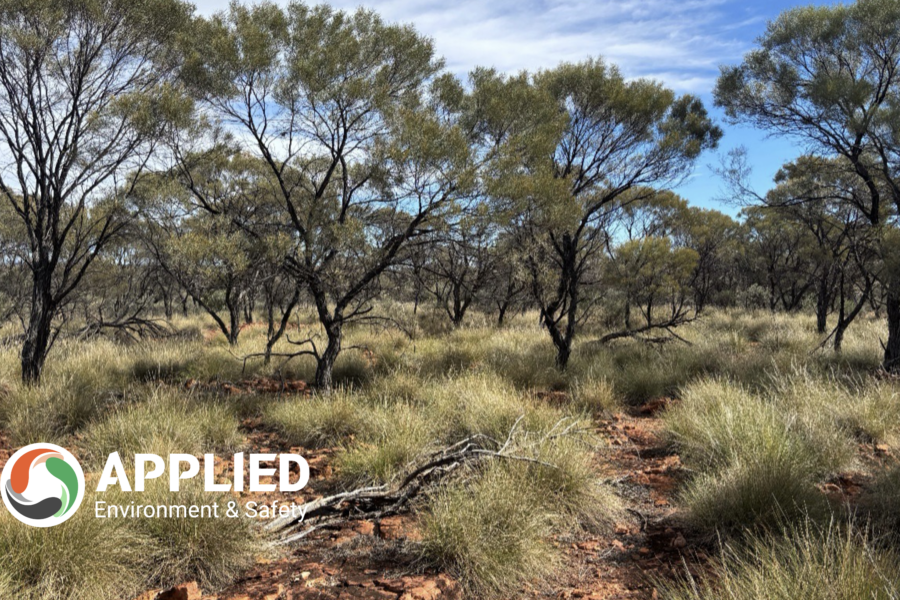
The highest priority within the rehabilitation hierarchy is to avoid environmental disturbance wherever practicable. Once native vegetation is cleared, topsoil is removed, or landforms are altered, restoration can be challenging, costly, and in some cases impossible to fully achieve. Avoidance therefore represents the most effective form of environmental management.
Avoidance can be achieved through careful project planning and design. Examples include locating infrastructure in previously disturbed areas, selecting existing access routes rather than constructing new roads, reducing the footprint of facilities, and designing projects to avoid sensitive habitats, watercourses, culturally significant sites, and threatened species habitat. For industries such as mining, oil and gas, and construction, early planning decisions can significantly reduce future rehabilitation liabilities. Every hectare of disturbance avoided is a hectare that does not require rehabilitation, monitoring, or long-term management.
Minimise Environmental Disturbance During Operations
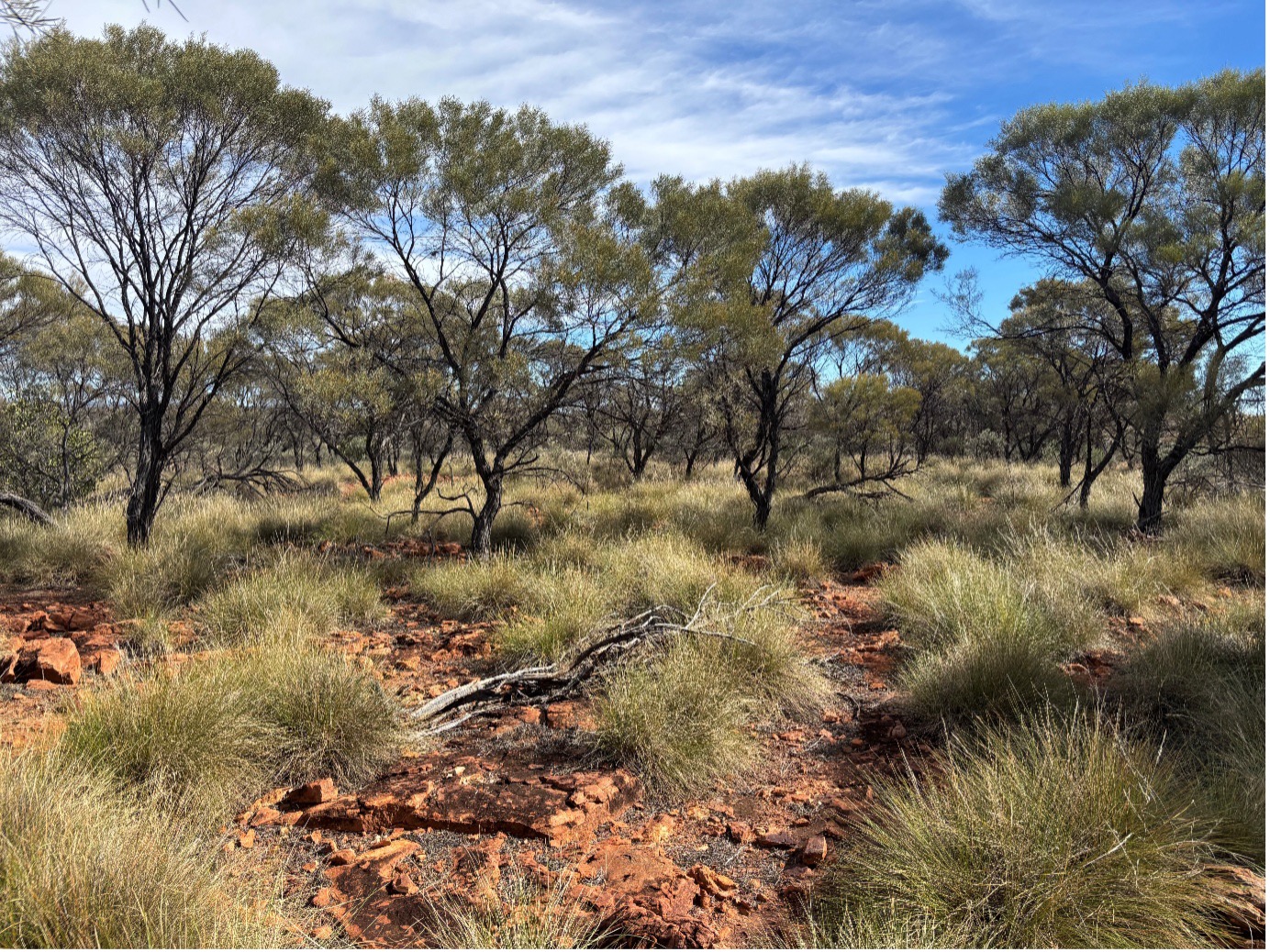
Where disturbance cannot be completely avoided, the next priority is to minimise the extent, duration, and severity of impacts. Minimising disturbance involves implementing practical measures that reduce environmental impacts during project activities. Examples include limiting clearing boundaries to the smallest area necessary, using existing tracks and infrastructure where possible, segregating and conserving topsoil, controlling erosion and sediment movement, managing weeds and pests, and restricting vehicle access to designated areas.
The principle of minimisation recognises that some disturbance is unavoidable but seeks to ensure that impacts are proportionate to operational requirements. Effective minimisation not only reduces environmental harm but also lowers rehabilitation costs and improves the likelihood of achieving successful rehabilitation outcomes. A common example is the management of well pads or temporary work areas. By reducing the amount of land disturbed during construction, operators can significantly decrease the area requiring rehabilitation at project completion.
Why Progressive Rehabilitation Improves Outcomes
Historically, many industries deferred rehabilitation activities until the end of a project. Modern rehabilitation practice recognises that waiting until closure often increases environmental risk and rehabilitation costs. Progressive rehabilitation seeks to return disturbed areas to a stable condition as soon as they are no longer required for operational purposes.
Progressive rehabilitation involves undertaking rehabilitation activities during the operational life of a project rather than waiting until final closure. This may include decommissioning redundant infrastructure, reshaping landforms, reinstating drainage patterns, replacing topsoil, and establishing vegetation while operations continue elsewhere on site. Progressive rehabilitation provides several benefits. It reduces the total disturbed footprint at any one time, minimises erosion risks, allows rehabilitation techniques to be tested and refined, and demonstrates environmental performance to regulators and stakeholders. Importantly, progressive rehabilitation also allows organisations to identify and rectify issues early. If revegetation methods are not achieving desired outcomes, adjustments can be made while operational knowledge and resources remain available.
Restoring Ecosystem Function in Rehabilitated Landscapes
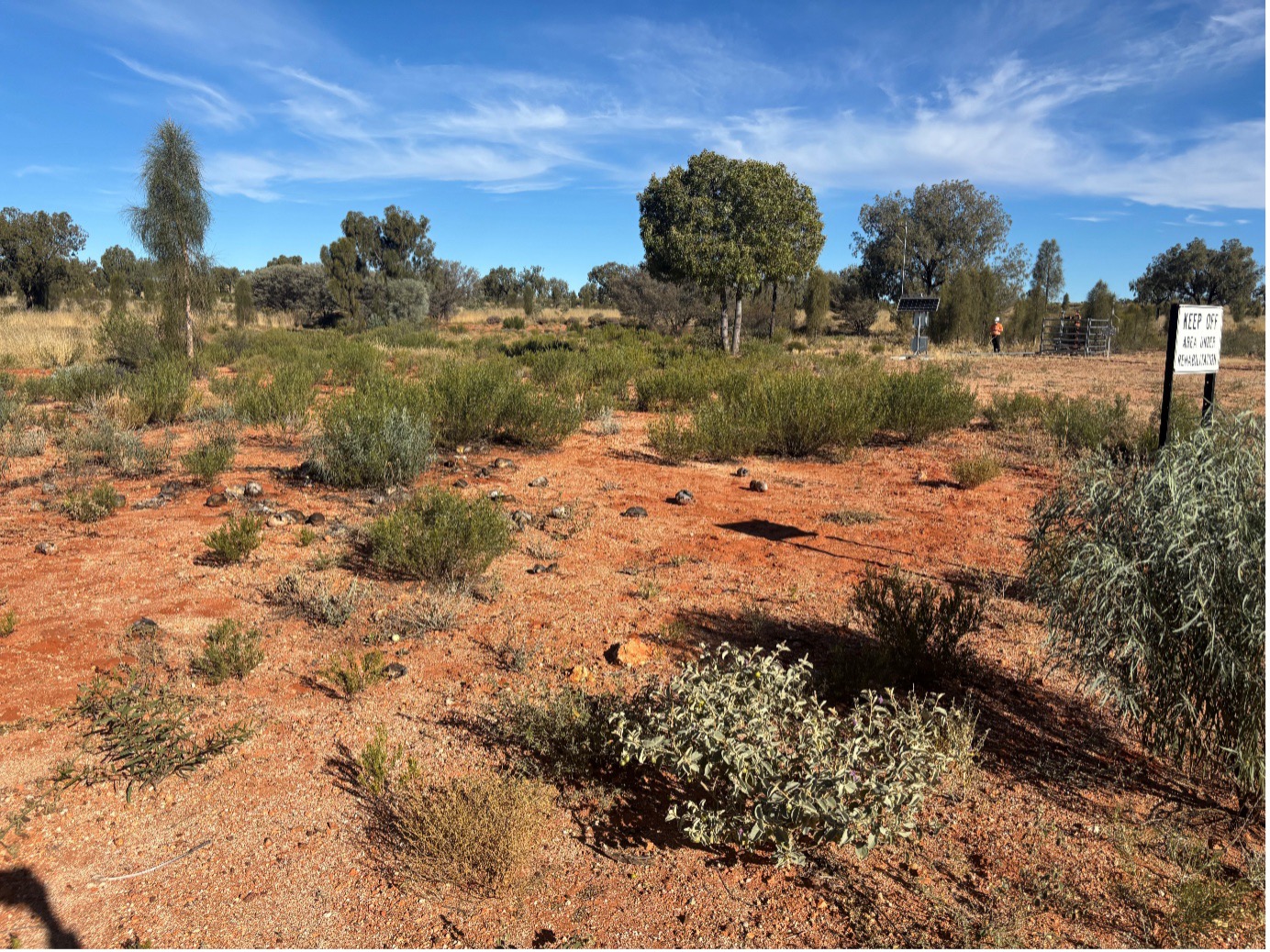
Successful rehabilitation is about far more than simply establishing vegetation cover. The ultimate objective is to restore ecosystem function, the natural processes that allow an ecosystem to sustain itself over time. An area may appear visually rehabilitated, yet still lack important ecological functions such as nutrient cycling, habitat provision, seed dispersal, water infiltration, and natural regeneration processes. Effective rehabilitation therefore focuses on recreating the conditions necessary for these ecological functions to return.
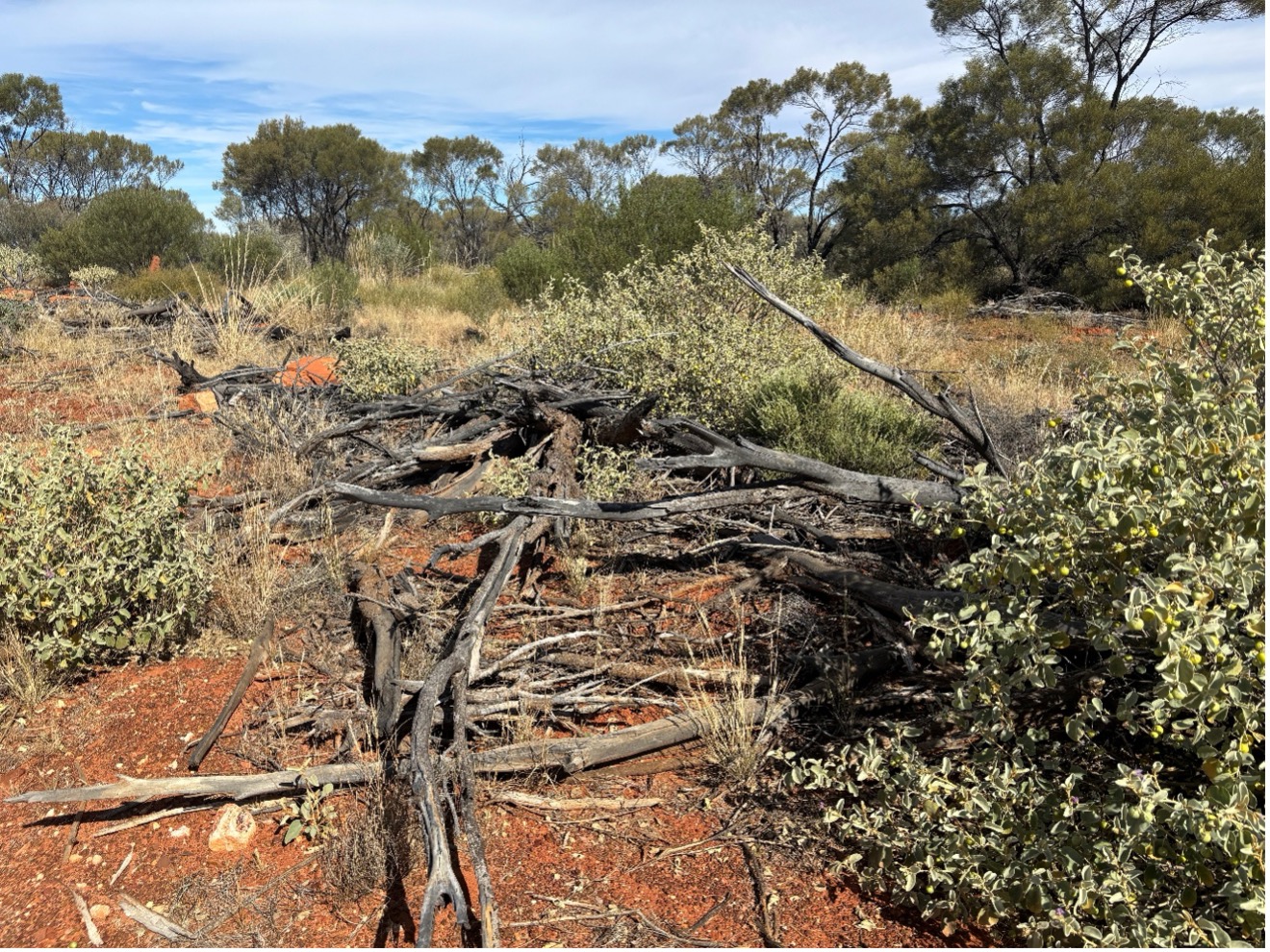
This may involve restoring natural landforms and drainage patterns, replacing topsoil, managing weeds, re-establishing native vegetation communities, and reinstating structural elements such as woody debris, fallen timber, leaf litter, rocks, and habitat features. These elements provide shelter for wildlife, improve soil health, capture seed, retain moisture, and support the re-establishment of ecological processes. The goal is not necessarily to recreate an exact replica of the pre-disturbance environment but to establish a self-sustaining ecosystem that is stable, resilient, and capable of supporting biodiversity and ecological functions into the future.
Managing Residual Environmental Impacts Through Offsets
Despite best efforts to avoid, minimise, and rehabilitate disturbance, some residual impacts may remain. In these circumstances, offsetting or compensatory measures may be required. Environmental offsets involve actions that compensate for unavoidable impacts by protecting, restoring, or enhancing environmental values elsewhere. Examples may include funding conservation initiatives, protecting habitat through land management agreements, undertaking revegetation programs, or supporting biodiversity enhancement projects. Offsets should only be considered after all reasonable efforts have been made to avoid and minimise impacts. They are not a substitute for good environmental management or effective rehabilitation practices. Rather, they represent the final step in addressing impacts that cannot be fully mitigated through other means.
A Framework for Better Environmental Outcomes
The rehabilitation hierarchy provides a practical and defensible framework for managing land disturbance throughout the life of a project. By prioritising avoidance, minimising unavoidable impacts, rehabilitating progressively, restoring ecosystem function, and addressing residual impacts, organisations can achieve better environmental outcomes while reducing long-term liabilities and rehabilitation costs.
Ultimately, effective rehabilitation is not simply about returning disturbed land to a visually acceptable condition. It is about creating resilient landscapes that can support ecological processes, biodiversity, and future land uses long after operations have ceased. The rehabilitation hierarchy provides the roadmap for achieving this outcome and ensuring environmental stewardship remains at the centre of responsible land management.
As regulatory expectations continue to evolve across Australia’s resources, infrastructure and development sectors, organisations that integrate the rehabilitation hierarchy into project planning are better positioned to achieve regulatory compliance, reduce closure liabilities and deliver enduring environmental outcomes. If you have questions about rehabilitation planning and programs, reach out to us: https://appliedes.com.au/contact-us-environmental-consultants-brisbane/