

Expert environmental impact assessments to support your project approvals.
Environmental impact assessments are a core requirement of the environmental approval process for infrastructure, mining and renewable energy developments across Australia. Whether required under Federal, State or Local planning frameworks, an environmental impact assessment provides the technical evidence base that regulators rely on to make approval decisions.
Getting the scope, methodology and technical quality of an environmental impact assessment right is critical. Incomplete or poorly structured assessments can result in delays, additional information requests from regulators, or unfavourable approval conditions.
How we can help
Applied Environment & Safety prepares environmental impact assessments and coordinates the technical studies required to support planning approvals and regulatory submissions. Our team works with your project to identify environmental risks, quantify potential impacts and develop mitigation strategies that support successful project outcomes.
We support organisations across industries including power and renewable energy, mining and resources, and transport and civil infrastructure, the sectors where environmental impact assessments are most frequently required.
Featured Project
Environmental Management Plans & Inspections
Noosa, Queensland
Applied Environment & Safety provided environmental support to PCA Ground Engineering during road embankment stabilisation works in Noosa, Queensland. These works were important to maintaining the long-term serviceability of the road and drainage infrastructure at this location.
Our role on this project was to provide technical environmental support. This included the development of a Construction Environmental Management Plan, Sediment and Erosion Control Plan, and Rehabilitation Plan. Then we undertook inspections of the works during construction to ensure compliance with the controls for the environmental aspects.
What’s involved
Environmental impact assessments evaluate the potential environmental effects of a proposed development and provide the documentation required by regulators to assess and approve the project. The scope and complexity of each assessment depends on the nature of the project, the sensitivity of the receiving environment and the regulatory framework that applies.
Our environmental impact assessment services include:
- Scoping of environmental impact assessment requirements
- Desktop and field-based environmental studies
- Flora and fauna assessments and ecological surveys
- Surface water, groundwater and soil assessments
- Air quality, noise and vibration assessments
- Social and cultural heritage impact assessments
- Preparation of environmental impact statements (EIS) and assessment reports
- Coordination of specialist technical sub-consultants
Our approach
We take a structured, risk-based approach to environmental impact assessments. Before technical studies begin, we work with your project team to understand the development proposal, identify the environmental sensitivities and confirm the regulatory requirements, ensuring the assessment scope is proportionate and targeted from the outset.
Our consultants coordinate the full assessment process, from scoping through to final reporting. We manage the technical inputs, prepare the documentation and ensure every component aligns with the approval requirements. Where specialist studies are needed, we coordinate sub-consultants and integrate their findings into a cohesive assessment.
Industries We Support
Environmental impact assessments are required across a wide range of development types. We regularly support projects in Australia’s most active infrastructure, resources and energy sectors.
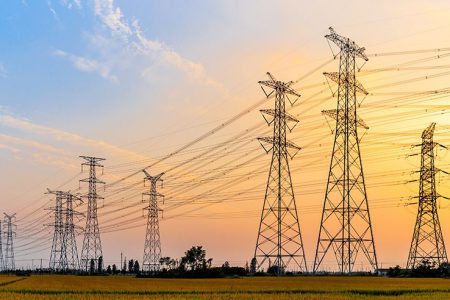
Power & Renewables
With vast experience within the power & renewables industry, we understand the risks and opportunities.
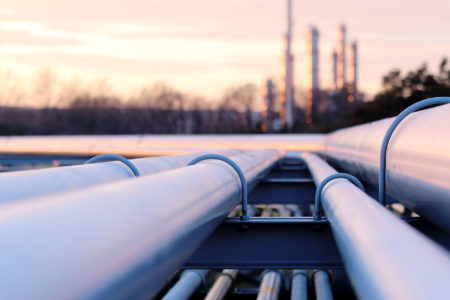
Mining & Resources
We provide environmental and safety consulting support to exploration and production operations within the mining and resources industry.

Transport & Civil Works
Our experience in environmental and safety management provides practical support to our clients within the transport & civil works.
Why Work With Applied Environment & Safety
We bring practical, project-delivery experience to environmental impact assessments. Our team understands how assessments fit within broader approval strategies and project timelines and we structure our work to support both.
We coordinate the full process, from initial scoping through to regulator submission, so your project team can focus on delivery while we manage the environmental assessment pathway.
Discuss your environmental impact assessment requirements
Tell us about your project. Our team will come back to you within one business day to discuss how AES can support your environmental impact assessment.
Contact our team today to discuss your project requirements.
Other Environmental Planning & Approval Services
EPBC Approvals &
Planning
Environmental Due
Diligence
Environmental Constraints & Feasibility
Environmental Approvals
State Level
Environmental Approval Process Liaison
View All Environmental Planning and Approvals
Resources & Insights
-

Environmental Tender Support for a Major Transmission Project
Applied Environment & Safety supported a design and construct contractor through the tender phase of a major transmission infrastructure project in the Hunter Valley, New South Wales.
-

What is the Rehabilitation Hierarchy? A Guide to Land Rehabilitation and Environmental Management
Rehabilitation is often viewed as the final stage of a project, something that occurs once construction or operations have ceased and equipment has been removed. In reality, effective rehabilitation begins long before the first disturbance occurs. The most successful rehabilitation programs are guided by a rehabilitation hierarchy, a structured framework that prioritises avoiding impacts wherever…
-
Supporting Local Stewardship: Volunteering with NICA
At Applied Environment & Safety, we know that effective environmental protection relies as much on personal and community action as it does on formal environmental legislation and protection mechanisms. That is why we are proud to highlight the impactful work of the Noosa Integrated Catchment Association (NICA)—a community-driven volunteering based organisation doing vital work on…
FAQ’s
Common questions from project teams about Environmental Impact Assessments.
An environmental impact assessment evaluates the potential environmental effects of a proposed development. It provides the technical documentation regulators require to understand the likely impacts and determine whether the project should be approved, and under what conditions.
An environmental impact assessment is typically required when a proposed development has the potential to significantly impact the environment. The trigger depends on the regulatory framework Federal, State or Local and the nature, scale and location of the project.
An environmental impact assessment generally includes a description of the proposed development, an assessment of the existing environment, identification and evaluation of potential environmental impacts, proposed mitigation and management measures, and a summary of residual risks.
Timeframes depend on the scope and complexity of the project, the number of technical studies required and the regulatory assessment pathway. Simple assessments may take a few months, while complex multi-disciplinary EIS processes can extend over 12 months or more.
An EIS (Environmental Impact Statement) is a specific document type, usually required under State or Federal legislation for major developments. An EIA (Environmental Impact Assessment) is the broader process of identifying, evaluating and reporting on the environmental effects of a proposed project. The EIS is typically the final output of the EIA process.
large-scale renewable energy projects, including solar farms, wind farms and battery storage development, require some form of environmental impact assessment, particularly where the project may affect threatened species, vegetation communities, waterways or heritage values.