An Erosion and Sediment Control Plan (ESCP) is essential for any construction site that disturbs soil. It provides a clear framework for preventing erosion, controlling sedimentation, and protecting water quality from runoff during building works or infrastructure development.
When properly implemented, an ESCP helps to prevent sediment from leaving the site, reduces environmental harm, and demonstrates compliance with approval and permit conditions.
This guide outlines how to prepare a compliant erosion and sediment control plan, the steps for certification, and how to apply practical erosion and sediment control measures across your project.
1. Understand the Purpose of an ESCP
An ESCP outlines how erosion and sediment will be managed during all stages of construction works, from starting work to project completion. It defines site-specific risks, planned drainage and controls, and maintenance actions to manage erosion and minimise soil loss effectively.
A compliant plan ensures you:
Maintain stable building sites throughout rainfall events
Protect nearby land and water environments
Reduce project delays and environmental harm
Meet local council, state, and federal environmental requirements
2. Know When a Sediment Control Plan Is Required
Most construction sites require a formal sediment control plan when works:
Disturb significant ground area or involve urban stormwater connections
Are near sensitive land and water systems such as creeks or wetlands
Form part of larger building works or civil infrastructure
Fall under Council, State or Federal approvals
Preparing an ESCP early, before starting work, ensures your site is compliant and reduces costly redesigns later.
3. Gather Site Information
Collect baseline data to ensure your ESCP accurately reflects conditions on the ground:
Topography and drainage patterns
Soil types and erosion potential
Rainfall intensity and frequency
Sensitive receptors, nearby watercourses or urban drainage
This information determines how you’ll implement erosion and sediment control measures effectively and ensure runoff does not degrade water quality.
4. Identify Risks and Control Zones
Segment the site into logical drainage catchments to manage flow and inspection zones. Within each, identify:
Erosion sources – disturbed areas, slopes, and soil stockpiles
Drainage pathways – channels, drains, or overland flow
Control points – where sediment control measures will be placed
Smaller catchments help you prevent sediment buildup and make it easier to inspect and maintain controls.
5. Choose Appropriate Control Measures
Erosion Control Measures (to prevent soil loss)
Maintain vegetation cover and stabilised surfaces
Apply erosion-control matting, mulch, or geotextiles
Construct bunds or diversion drains to divert clean water
Minimise exposed soil during active building works
Sediment Control Measures (to trap sediment)
Install silt fences, sediment basins, or check dams
Use coir logs or rock weirs to slow down water flow
Stabilise site entry points to prevent mud tracking
Protect drainage inlets during construction sites activity
When properly implemented, these controls help prevent erosion, control sedimentation, and safeguard surrounding land and water systems.
6. Develop the ESCP Document
A compliant ESCP should include:
Site layout, drainage, and catchment boundaries
Erosion and sediment control plan drawings
Installation details for each control measure
Inspection and maintenance schedule
Roles and responsibilities
Reporting procedures
AES’ environmental specialists prepare site-specific plans that meet approval and requirements.
7. Implementing Erosion and Sediment Controls
A plan is only effective if it’s properly executed.
Install controls before starting work on site.
Ensure all workers understand their role in preventing erosion and protecting water quality.
Monitor controls daily and after rainfall events.
Replace or repair damaged infrastructure immediately.
This proactive approach reduces environmental harm and ensures compliance across all building sites.
8. Monitor, Maintain, and Report
Ongoing maintenance is essential to ensure ESC effectiveness:
Inspect bunds, drains, and fences regularly
Clear accumulated sediment from basins and traps
Log all actions in a site inspection checklist
Update the ESCP as the project progresses
Effective erosion and sediment control management keeps your project compliant and your controls working, even in extreme weather.
9. Demonstrate Compliance
Regulators often require evidence of implementing erosion and sediment control procedures.
Keep:
Inspection records and photographs
Maintenance logs
Revised ESCP versions
This documentation demonstrates diligence and helps you pass audits or respond to compliance reviews confidently.
10. Partner With AES for Certified Support
Applied Environment & Safety helps Australian developers and contractors design and implement compliant erosion and sediment control plans.
We provide:
Certified ESCP documentation
On-site training in preventing erosion and implementing sediment control measures
Audits and compliance inspections
Contact AES today to protect your site, maintain compliance, and safeguard land and water quality for the long term.
Protecting Soil, Water and Compliance on Every Site
Erosion and sediment control (ESC) is essential for protecting Australia’s creeks, rivers and coastal waters from long-term degradation. When soil is disturbed during land clearing, construction or infrastructure works, rainfall can quickly turn exposed ground into a source of sediment-laden runoff, polluting waterways and damaging ecosystems.
At Applied Environment & Safety (AES), we help clients plan, implement and maintain practical erosion and sediment controls that ensure site stability and environmental compliance. This guide explains what ESC is, why it matters, and how to apply best-practice measures across your project to mitigate environmental harm.
What Is Erosion and Sediment Control?
Erosion is the detachment and movement of soil particles by water, wind or human activity. Sedimentation is when those particles settle in new locations, often in creeks, rivers, wetlands or estuaries.
While erosion and sedimentation are natural processes, human activities accelerate them dramatically. Exposed soil becomes highly mobile during rainfall events; without effective controls, sediment can wash into nearby waterways.
Why It Matters
Site stability: Erosion can undermine infrastructure, access roads and stockpiles, increasing safety risks and maintenance costs.
Environmental impact: Sediment reduces water quality, smothers aquatic habitats and disrupts ecosystems.
Reputational risk: Non-compliance can lead to enforcement action and reputational damage.
Why Erosion and Sediment Control Is Critical
1 – Maintaining Site Stability and Reducing Risk
Effective erosion control maintains the physical integrity of your site. Stabilising exposed soils with vegetation, mulch or geotextiles helps prevent washouts and keeps roads, stockpiles and access tracks functional.
2 – Protecting Waterways and Ecosystems
ESC safeguards Australia’s waterways, wetlands and coastal environments. Runoff from disturbed soils contributes to turbidity, nutrient loading and habitat degradation – with downstream consequences that extend far beyond the work zone.
3 – Meeting Legal and Regulatory Obligations
Erosion and sediment control is required under the federal and state planning and approval frameworks. Demonstrating due diligence through well-documented ESC plans supports compliance and audit readiness.
Planning and Implementing Erosion and Sediment Controls
1- Understand Site-Specific Conditions
Each site is unique. Factors such as soil type, slope, rainfall intensity and proximity to sensitive receptors determine your ESC strategy.
Soil: Fine silts and clays travel long distances; sandy soils erode rapidly but settle quickly.
Slope: Steeper gradients accelerate water flow and erosion potential.
Rainfall: Frequent or intense events test the resilience of controls.
Catchment sensitivity: Runoff can travel hundreds of kilometres, impacting downstream ecosystems such as the Great Barrier Reef.
An ESCP outlines how your site will manage erosion and sediment risk. It’s a site-specific document reflecting actual conditions, construction methods and environmental obligations.
A strong ESCP should include:
Site layout and drainage flow paths
Identified erosion and sediment risks
Temporary and permanent control measures
Inspection and maintenance schedules
Reporting and documentation protocols
Some projects require certification by a Certified Professional in Erosion and Sediment Control (CPESC) to meet regulatory standards.
Types of Erosion and Sediment Controls
Erosion Controls
Prevent soil detachment and stabilise exposed areas:
Vegetation and grass cover
Erosion-control matting or geotextiles
Mulch or compost blankets
Diversion drains and bunds
Sediment Controls
Trap soil once it’s mobilised:
Silt fences and sediment barriers
Sediment basins and ponds
Rock check dams and coir logs
Stabilised site entries
Monitoring, Maintenance and Reporting
Even the best-designed system fails without consistent upkeep.
Inspect controls regularly, especially before and after rainfall.
Repair damage immediately – small rills can become gullies within hours.
Maintain a logbook documenting inspections and corrective actions for audits.
Routine monitoring keeps controls effective, reduces environmental risk and provides a defensible record of compliance.
Practical On-Site Tips – The AES Top Ten
AES developed “On-Site Erosion and Sediment Control: Top Ten Tips to Keep Soil and Water in Check.” Here’s a preview:
Watch water flow – redirect and slow runoff early.
Protect vegetation – keep grassed areas intact.
Keep clean water out – divert around disturbed zones.
Direct drainage correctly – stabilise channels and slopes.
Slow water down – use check dams, coir logs, mulch bunds.
Act fast on erosion – fix issues immediately.
Break up large areas – create smaller catchments.
Stick to the plan – match controls to your ESCP.
Install controls properly – avoid gaps and bypass points.
Maintain regularly – inspect before and after rainfall.
Partner With Applied Environment & Safety
AES supports clients across Australia with:
Certified Erosion and Sediment Control Plans (ESCPs)
Environmental Management Plans (EMPs)
Compliance inspections and field training
Whether you’re meeting approval conditions or managing high-risk works, AES helps you maintain compliance and protect the environment – without slowing progress.
Contact us today to discuss your site’s erosion and sediment control needs or to request a tailored ESCP.
Solar Farm Construction & Environmental Considerations
As Australia works towards a clean energy future, large-scale solar farms are becoming one of the most important tools in the renewable energy toolbox. These facilities not only support our national decarbonisation targets, as well as help to strengthen regional economies and reduce electricity costs. But behind every successful solar farm is a carefully planned and well-managed construction process.
This article explains how solar farms are built, the environmental impact they can have, and how AES (Applied Environment & Safety) supports projects across Australia to ensure success.
AES works with developers, contractors, and regulators to make sure solar farms are planned and constructed responsibly. We focus on reducing risks, staying compliant with all laws, and protecting the environment. We are proud to support Australia’s transition to renewable energy with safe, practical, and sustainable construction practices.
What Is Solar Farm Construction?
Solar farm construction refers to the process of building large-scale facilities that convert sunlight into electricity using photovoltaic (PV) panels. These farms range from 5 MW community projects to massive 300 MW+ sites powering entire regions.
The process involves more than just placing solar panels in a field. It includes land preparation, environmental approvals, mechanical and electrical work, safety planning, and grid connection.
Solar farm construction usually takes between 6 and 18 months, depending on the project size, site conditions, and compliance requirements.
Key Phases of Construction
1. Planning and Site Assessment
Before construction begins, developers must:
Secure land agreements and assess the site
Conduct feasibility and grid connection studies
Prepare detailed environmental assessments and management plans
AES supports this stage by:
Assessing the site’s environmental values and risks
Preparing Environmental Impact Assessments (EIAs) or other approval requirements
Conducting ecological and cultural heritage surveys
Mapping bushfire, erosion, and flood risk zones
We follow guidelines from local, state and national regulatory bodies.
2. Civil Works and Land Preparation
This step includes:
Clearing vegetation (minimised wherever possible)
Levelling the land
Building internal roads, drainage, and fencing
Installing erosion and sediment controls
AES ensures all civil works align with approvals and permits as well as best practice environmental guidelines.
We also help developers prepare Soil and Water Management Plans to prevent runoff into nearby creeks or wetlands.
3. Mechanical and Electrical Installation
Here, construction teams:
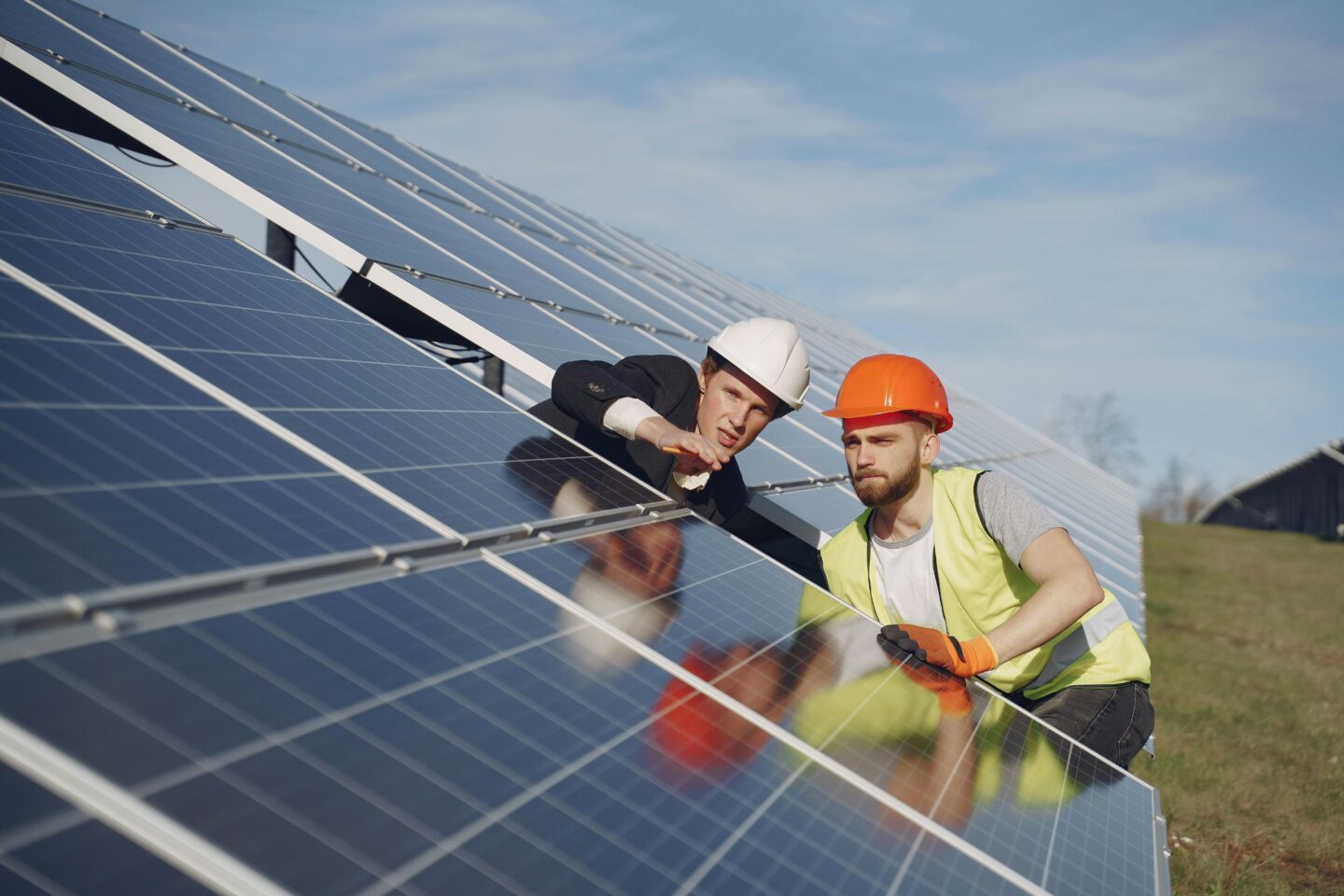
Install solar tracking structures
Mount PV panels
Lay underground cables
Install inverters, transformers, and switchgear
AES helps ensure infrastructure is designed with minimal environmental impacts.
4. Testing and Commissioning
Once installation is complete:
Systems are tested for output, efficiency, and safety
Rehabilition is implemented
Site is reviewed for environmental compliance
AES conducts post-construction audits to ensure rehabilitation measures are complete and any waste materials have been removed responsibly.
Environmental Impact and Risk Management
Solar farms offer long-term environmental benefits through clean power generation, but construction can still present short-term risks if not managed properly.
Common risks include:
Habitat loss
Soil disturbance and erosion
Introduction of invasive species
Waterway contamination from runoff
Waste materials from packaging, fuel, and construction debris
AES works to reduce these risks through detailed plans and on-site support. Our key services include:
Construction Environmental Management Plans (CEMP)
Weed and Biosecurity Plans
Waste Management Plans
Flora and Fauna Management Plans
We follow best practice guidance from national bodies like the Clean Energy Council and state-based environment departments. Our team also includes Certified Environmental Practitioners (CEnvP), a recognised industry accreditation.
Supporting Renewable Energy Growth
Solar farm construction plays a crucial role in Australia’s renewable energy expansion. These projects:
Add significant capacity to the national electricity grid
Reduce emissions from coal-fired power plants
Lower wholesale electricity prices
Create regional jobs and investment
As of 2024, Australia has over 6.2 GW of operational utility-scale solar and more than 15 GW in the pipeline (source: OpenNEM). Construction is the bridge between policy targets and actual renewable energy generation.
AES is proud to support this growth. We’ve contributed to five large-scale solar projects and continue to work across QLD, NSW, VIC, and SA.
Compliance and Regulatory Approvals
Construction must align with multiple legal frameworks, including:
Environment Protection and Biodiversity Conservation Act 1999 (EPBC)
State planning laws and SEPPs (e.g. in NSW and QLD)
Cultural heritage acts
Local government regulations
AES guides developers through these processes to ensure:
Timely submission of planning documents
Clear documentation for regulators
Minimal delays or objections from stakeholders
We’ve successfully delivered EPBC referrals and self-assessments for both standalone solar farms and hybrid BESS installations.
Reducing Waste and Promoting Circular Practices
Construction produces waste, from packaging, timber, and pallets to scrap metal and electrical materials. If unmanaged, this can harm the local environment and increase landfill pressure.
AES helps implement sustainable waste strategies, such as:
On-site sorting and recycling
Responsible disposal of hazardous materials
Repurposing of construction waste where possible
We also support “design for disassembly” principles, making it easier to recycle components when solar farms are decommissioned.
Long-Term Site Stewardship
Good solar farm construction doesn’t stop at energisation. Developers must plan for:
Ongoing vegetation management
Soil restoration
Firebreak maintenance
Regular environmental inspections
AES supports these tasks through:
Post-construction environmental audits
Rehabilitation plans
End-of-life decommissioning frameworks
Our approach ensures that projects remain sustainable over the long term and maintain their license to operate.
Why choose AES to reduce your impact on the Environment?
AES is a trusted partner in Australia’s solar energy transition. We bring:
Certified environmental scientists and planners
Deep experience across regional and urban projects
Practical advice tailored to local conditions
A collaborative, solutions-focused approach
We are members of the Environment Institute of Australia and New Zealand (EIANZ) and work in line with ISO 14001 environmental management standards.
Whether you’re constructing your first 10 MW site or your fifth 300 MW solar farm, we’ll help you deliver it cleanly, compliantly, and confidently.
Solar farms are large-scale renewable energy facilities designed to generate electricity from sunlight using photovoltaic (PV) systems. These utility-scale installations play a critical role in advancing Australia’s transition to clean energy and reducing dependence on fossil fuels. Solar farms are also known as solar power stations or solar energy projects and are significantly larger than rooftop solar panel systems.
At Applied Environment & Safety (AES), we collaborate with solar developers to ensure their projects are environmentally responsible, compliant with local and national regulations, and designed for long-term success. In this article, we offer a complete guide to solar farms – what they are, how they work, where they’re built, and how AES supports the entire project lifecycle.
What Is a Solar Farm?
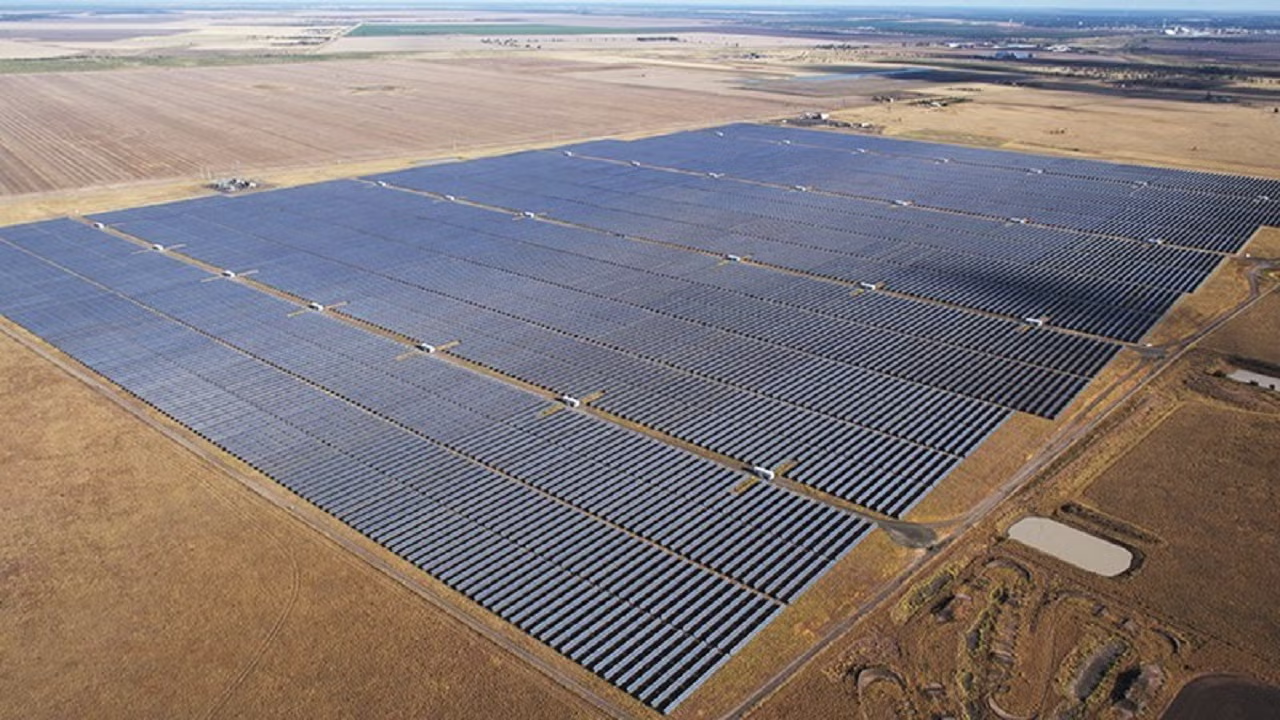
A solar farm is a large energy-producing facility that uses rows of solar photovoltaic (PV) panels to convert sunlight into electrical energy. These projects are built on open land, often spanning tens to hundreds of hectares, and are designed to supply electricity to the public grid.
Solar farms are commonly divided into two categories:
Photovoltaic (PV) Solar Farms: These are the most common type and use PV systems to convert sunlight directly into electricity.
Concentrated Solar Power (CSP): Less common in Australia, CSP farms use mirrors or lenses to focus sunlight, creating heat to power a steam turbine.
Most of the solar farms in Australia are PV-based due to cost-efficiency and scalability. The solar panels are mounted on ground-based racks or tracking systems that follow the sun to maximise electricity generation. Inverters convert the generated direct current (DC) electricity into alternating current (AC) so it can be fed into the electricity grid.
These installations contribute to power generation at the regional and national levels, and they support Australia’s broader renewable energy targets. Solar farms have quickly become one of the most affordable forms of new electricity generation, helping to decarbonise Australia’s energy sector.
How Do Solar Farms Work?
Solar farms operate through a multi-stage process that transforms sunlight into usable energy distributed through the electricity grid. These projects are designed not only for efficiency but also for long-term integration into Australia’s energy infrastructure. Their operation includes both passive and active technological systems, storage, and sophisticated grid coordination mechanisms.
Solar Energy Collection
Photovoltaic (PV) panels capture solar radiation and convert it into direct current (DC) electricity. The solar panels used are generally made from silicon and are designed to absorb as much light as possible, even in overcast conditions.
Inversion
Inverters are essential components that convert the DC electricity generated by PV systems into alternating current (AC), the form used by the electricity grid. These inverters can be centralised or distributed throughout the solar farm depending on the system’s design.
Voltage Transformation
After inversion, the AC electricity may go through voltage transformation via transformers, preparing it for efficient transmission across long distances through the grid infrastructure.
Energy Storage (Optional but Increasingly Common)
Many modern solar energy projects include Battery Energy Storage Systems (BESS) that store surplus electricity. These systems allow energy to be dispatched during periods of low sunlight, evening peaks, or grid instability, which improves the reliability and commercial value of solar energy.
Grid Connection and Energy Export
Once the electricity is converted and conditioned, it is fed into substations and then to the broader electricity grid. This electricity powers homes, businesses, and industrial sites. Utility companies often monitor and control the input to ensure grid stability.
Data Monitoring and Optimisation
Solar farms are typically equipped with remote monitoring systems and IoT-enabled devices that track energy production, weather patterns, panel performance, and system health. This data is used to optimise output and schedule maintenance proactively.
Solar farms may also be paired with complementary technologies such as wind power or hydro storage to create hybrid systems. These arrangements help stabilise the grid by compensating for solar’s natural intermittency. Additionally, many solar projects incorporate predictive analytics powered by AI and machine learning to forecast energy generation and demand, improving both operational efficiency and financial returns.
Tracking systems are another key part of how solar farms function. Single-axis tracking systems move panels east to west across the day, while dual-axis systems also adjust the tilt angle based on seasonal sun elevation. These systems can increase output by 15–25% compared to fixed mounts.
In summary, solar farms rely on advanced hardware, digital tools, and robust grid integration to function as reliable and scalable sources of clean electricity. The combination of photovoltaic technology, energy storage, and smart controls makes them increasingly viable as base-load energy contributors in Australia’s evolving energy mix.
How Many Solar Farms Are There in Australia?
Australia’s solar energy industry has experienced exponential growth in the past decade, fuelled by favourable climate conditions, policy support, and rapid technological innovation. As of early 2024, there are over 150 operational utility-scale solar farms across the country, with dozens more in construction or undergoing planning and approvals.
According to the Clean Energy Council’s 2024 Annual Report, solar energy is now the leading source of new electricity generation in Australia, accounting for 36% of all large-scale renewable energy generation. Large-scale solar farms are complemented by Australia’s world-leading rooftop solar uptake, which together have made solar the dominant renewable energy source in the country.
Key statistics include:
Queensland: The state leads the nation with over 130 utility-scale solar projects greater than 1 MW capacity, representing nearly one-third of the country’s total solar generation capacity. The Queensland Renewable Energy Zones (QREZ) initiative continues to unlock new project opportunities.
New South Wales & Victoria: Both states have invested heavily in solar infrastructure as part of their energy transition strategies. NSW currently has over 50 operating large-scale solar farms, with many more approved or under construction. Victoria’s VRET2 reverse auction has further incentivised clean energy development.
National Capacity: According to OpenNEM, Australia’s total large-scale solar capacity exceeds 6.2 GW, not including rooftop systems. Utility-scale output continues to climb year-over-year as more projects come online.
Solar farm developments are concentrated in regions with:
High average solar radiation (e.g. inland Queensland and NSW)
Low population density
Access to existing transmission infrastructure
Previously cleared or degraded agricultural land
A growing number of solar projects are being developed as hybrid energy hubs, where solar generation is co-located with wind farms, battery storage (BESS), or even green hydrogen facilities. These co-located projects improve grid reliability and offer economic efficiencies by sharing infrastructure and balancing generation profiles.
The pipeline remains strong: the Clean Energy Regulator reports more than 15 GW of large-scale solar generation is either committed or proposed nationally. This indicates that Australia’s solar fleet is not only extensive – it is still in an aggressive growth phase.
Where Are Solar Farms Built?
Australia’s geography makes it ideal for large-scale solar projects. Most solar farms are built in rural or semi-arid areas with high solar exposure and ample open land.
Preferred locations include:
Western Queensland
Inland New South Wales
South Australia’s Riverland and Eyre Peninsula
Northern Victoria
Site selection factors include:
High average solar radiation
Proximity to transmission lines
Minimal slope and shading
Previously disturbed or degraded land
Biodiversity sensitivity and proximity to ecologically significant areas
Many projects make use of former grazing or agricultural land. These sites are often less environmentally sensitive and can benefit from rehabilitation programs integrated into the solar development.
Australia is home to several impressive solar power plants, with the Western Downs Green Power Hub currently holding the title of the nation’s largest operational solar farm.
Western Downs Green Power Hub
Location: Near Chinchilla, Queensland
Commissioned: 2023
Size: 1,500 hectares
Infrastructure: Over 1 million solar panels
Output: 1,080 GWh annually (enough to power ~235,000 homes)
Storage: 540 MW / 1,080 MWh battery energy storage
Land Use: Sheep grazing beneath arrays
This project demonstrates how solar power stations can integrate clean energy production with agriculture and biodiversity goals. The use of battery storage also makes this one of the most resilient solar projects in the country.
Other notable large-scale solar farms include:
Limondale Solar Farm (NSW)
Darling Downs Solar Farm (QLD)
Bungala Solar Farm (SA)
Numurkah Solar Farm (VIC)
These installations show the scalability of solar energy and its potential to replace coal-fired power generation.
Environmental Considerations in Solar Development
While solar farms are environmentally friendly in operation – producing no direct emissions or air pollutants – careful, site-specific planning is essential to mitigate unintended impacts on land, water, flora, fauna, and local communities. Poorly sited or managed solar projects can disrupt habitats, contribute to erosion, or conflict with land uses such as agriculture or conservation areas.
At AES, we work closely with developers and project stakeholders to embed sustainability into every phase of solar project development. This means more than simply ticking boxes for compliance—we deliver proactive environmental management strategies that reduce risks, accelerate approvals, and ensure long-term site resilience.
Our services include:
Environmental Impact Assessments (EIAs)
Comprehensive studies evaluating the potential environmental effects of a proposed solar development. These assessments form the foundation for regulatory approval and stakeholder consultation.
EPBC Act Referrals and Self-Assessments
Guidance through Australia’s national environmental law, assessing project impacts on Matters of National Environmental Significance (MNES) such as threatened species or ecological communities.
Cultural Heritage Management
Engagement with Traditional Owners and cultural heritage consultants to identify and protect significant sites in accordance with Indigenous and statutory frameworks.
Species Management Programs
Detailed assessments and mitigation strategies to protect native wildlife, including habitat preservation, relocation plans, and monitoring protocols.
Soil and Water Management Plans
Erosion control, stormwater drainage, sediment management, and soil rehabilitation strategies tailored to specific site conditions.
Biosecurity and Weed Management Plans
Measures to prevent the spread of invasive plant species and pathogens during construction and operation.
Construction Environmental Management Plans (CEMP)
Implementation tools that guide contractors through environmental controls, legal requirements, and best practices during the build phase.
End-of-life Decommissioning and Rehabilitation Plans
Frameworks for removing infrastructure, restoring the landscape, and meeting post-closure environmental commitments.
We also provide:
Strategic advice on biodiversity offsets to compensate for unavoidable environmental impacts.
Design of native vegetation buffers that enhance local biodiversity and screen infrastructure from nearby landholders.
Erosion and sediment control plans using hydrological modelling and on-site risk assessments.
Our integrated approach ensures that solar projects do more than avoid harm – they can contribute positively to ecological connectivity, land restoration, and community trust. From the Fraser Coast to the Northern Tablelands, AES helps developers deliver renewable energy infrastructure that meets both energy and environmental goals.
Case Study: Fraser Coast Solar Farm
AES is currently supporting the development of the Fraser Coast Solar and Battery Energy Storage System (BESS) Project, a 290 MW utility-scale solar farm located near Teebar Creek in Queensland’s Fraser Coast region. This landmark project includes a co-located BESS facility designed to provide consistent electricity supply, reduce reliance on fossil fuels, and improve grid reliability across the region.
The Fraser Coast project plays a key role in advancing Queensland’s renewable energy pipeline and aligns with state and federal clean energy targets. It also highlights how renewable infrastructure can be successfully integrated into agricultural and regional settings with minimal ecological disturbance.
AES’s role in the project includes:
Site suitability assessment and early-phase planning: Evaluating land conditions, solar exposure, access to transmission infrastructure, and constraints related to biodiversity, cultural heritage, and slope.
Coordination of ecological surveys: Leading a comprehensive fieldwork program that included targeted flora and fauna surveys, assessments of threatened ecological communities (TECs), invasive species mapping, and nocturnal monitoring to inform impact mitigation strategies.
Management plan development: Drafting a suite of tailored environmental management plans, including:
Construction Environmental Management Plan (CEMP)
Rehabilitation Management Plan
Soil and Water Management Plan
Weed Management Plan
Biosecurity Management Plan
Flora and Fauna Management Plan
Cultural Heritage Evaluation
Bushfire risk assessment: Identifying and modelling bushfire hazards, recommending buffer zones, firebreaks, and on-site response measures that align with Queensland’s construction and operational codes.
Hydrology analysis: Evaluating surface water flow paths, drainage impacts, and erosion risks using modelling to design low-impact water management systems that minimise soil disturbance and downstream effects.
EPBC Act referral preparation: Conducting a self-assessment under the Environment Protection and Biodiversity Conservation Act 1999, evaluating the potential impacts on Matters of National Environmental Significance (MNES), including habitat for threatened species, wetlands, and migratory species.
AES’s multidisciplinary approach has ensured that the Fraser Coast Solar Farm has progressed efficiently through development approvals while maintaining a high standard of environmental performance. The project is now considered a regional benchmark for best practice in integrated solar development.
Notably, the solar farm’s design incorporates:
Measures to reconnect fragmented habitat
Buffer zones for sensitive ecological areas
Dual land use strategies, including livestock grazing beneath the solar arrays
By embedding sustainability into every layer of project design, the Fraser Coast Solar Farm demonstrates how utility-scale solar can deliver clean energy while preserving local ecosystems, cultural heritage, and agricultural value.
Solar Farms vs Other Renewable Projects
While solar energy is among the most scalable and cost-effective renewable options, it is often deployed in combination with other technologies for optimal results.
Comparison Points:
Wind Farms: Better for overnight power, but require consistent wind speeds.
Hydro: Stable output but geographically limited.
CSP: Efficient but expensive and complex.
BESS: Essential for all renewables to manage intermittency.
Hybrid projects combining wind and solar energy are becoming more popular. These facilities use complementary generation profiles to maximise capacity factors and reduce the cost of balancing the grid.
The Future of Solar Energy in Australia
Australia has one of the highest rates of solar radiation in the world, making it uniquely suited to solar energy production. This geographic advantage, combined with favourable market conditions and policy momentum, is positioning solar power as the cornerstone of the country’s renewable energy transformation.
The last decade has seen a dramatic rise in both rooftop and utility-scale solar installations. However, the next decade promises even more ambitious developments—driven by decarbonisation targets, global investment trends, and the urgency of energy resilience in the face of climate volatility. The energy sector is undergoing a major redesign, with solar energy at its core.
Key Trends to Watch:
Expansion of Renewable Energy Zones (REZs): Governments are establishing REZs to centralise investment and infrastructure for renewables. These zones are prioritised for transmission upgrades and fast-tracked approvals, providing developers with certainty and scalability.
Integration of AI and IoT for Optimised Performance: Advanced monitoring systems and AI-driven analytics are enabling predictive maintenance, performance optimisation, and real-time energy forecasting. These technologies will help solar projects become more cost-effective and responsive to grid demands.
Dual Land Use Strategies: There is growing adoption of agrivoltaics—integrating solar with agriculture. This includes sheep grazing beneath panels, pollinator habitats, and even crop cultivation in some settings. These strategies improve land-use efficiency and strengthen community support.
Growth in Solar Power Export: Projects like Sun Cable, such as the Australia-Asia PowerLink, aim to export solar energy from the Northern Territory to Singapore via undersea transmission lines, signal a new era of solar as a high-value export commodity. Australia could become a regional energy exporter powered by the sun.
Community and Decentralised Solar Projects: Beyond utility-scale farms, we’re seeing a rise in community-owned solar systems, virtual power plants (VPPs), and solar cooperatives. These initiatives empower local communities, reduce energy costs, and build social license for broader energy reforms.
Long-Duration Storage and Hybrid Integration: As battery technology improves, solar farms will increasingly be coupled with long-duration storage systems and hybrid configurations with wind or hydro. This will mitigate intermittency and allow solar to play a base-load role.
Carbon Farming and Environmental Credits: Solar projects that incorporate biodiversity offsets or land restoration may benefit from participation in carbon markets. These co-benefits can enhance project value while supporting Australia’s net-zero emissions goals.
As technology continues to evolve, costs continue to fall, and policies continue to align with climate goals, Australia is poised to lead the world in solar innovation and deployment. Solar farms will not only deliver clean electricity, but also contribute to economic revitalisation in regional areas, promote energy sovereignty, and demonstrate the viability of large-scale, nature-compatible infrastructure.
Why Choose AES for Solar Project Support?
AES is one of Australia’s leading environmental consultancies focused on renewable infrastructure. We bring:
Deep understanding of planning frameworks
Experienced project managers and scientists
Proven success across dozens of solar developments
Customised environmental documentation and reporting
Support through the entire project lifecycle-from pre-feasibility to decommissioning
Our goal is to help developers deliver clean energy projects that stand up to regulatory scrutiny, stakeholder expectations, and environmental responsibility.
Related Articles in This Series
Explore more in our solar education series:
What You Need to Know About Solar Farms in Australia
What You Need to Know About the Biggest Solar Farm in Australia
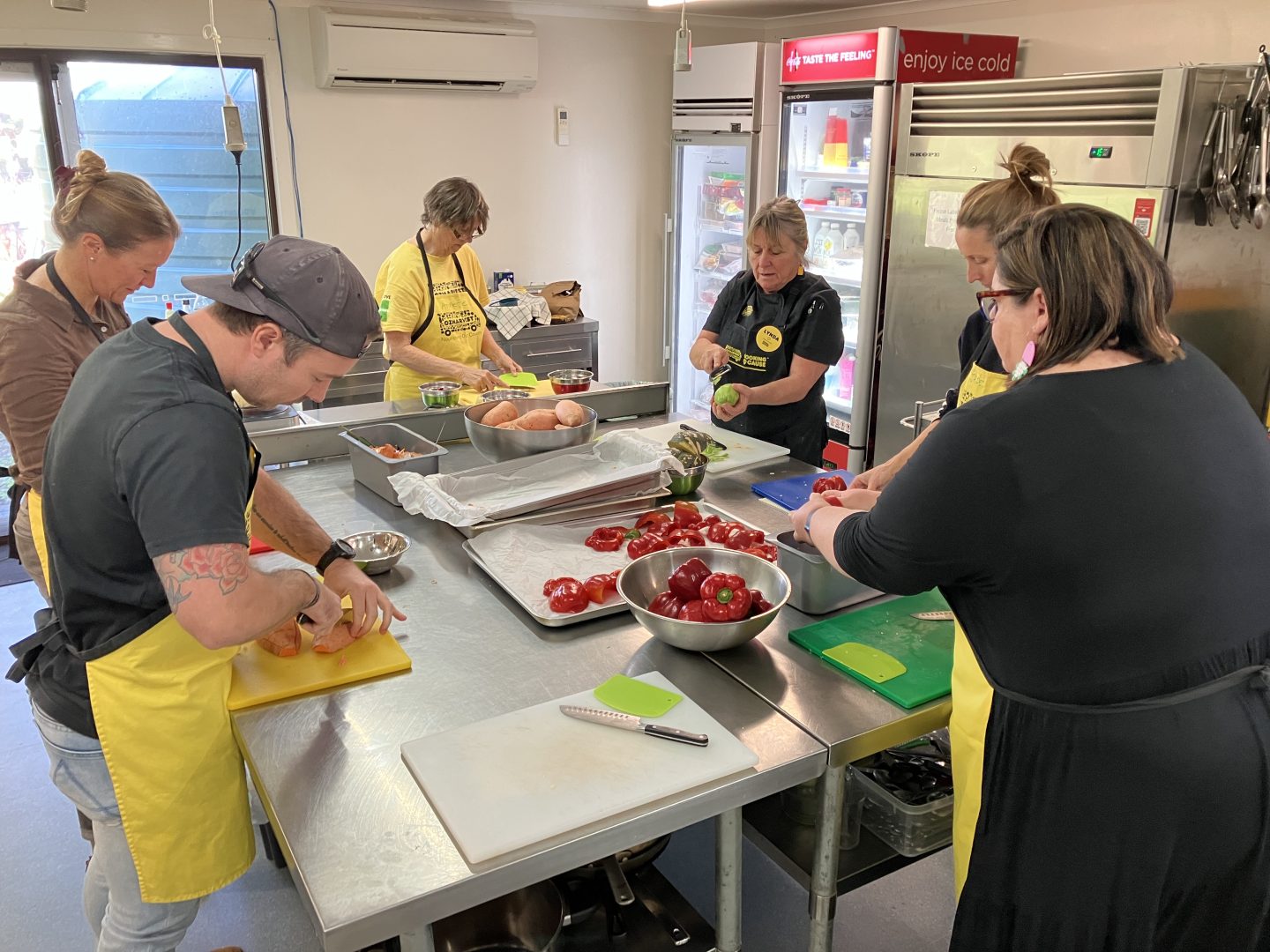
In July, the Applied Environment & Safety team headed to Maroochydore, rolled up our sleeves, and stepped into the OzHarvest kitchen for a volunteer day of purpose-driven teamwork. In just a few hours, the team prepared 80 nutritious meals destined for people in need across the community.
This hands-on experience was part of OzHarvest’s Cooking for a Causeprogram, which transforms rescued ingredients into wholesome meals for vulnerable Australians. Guided by the incredible OzHarvest volunteers our team learned not only how to cook with creativity and minimal waste, but also how small actions can have meaningful impact.
OzHarvest is Australia’s leading food rescue organisation, founded on the mission to nourish our nation while combating food waste. Every week, the charity collects quality surplus food from commercial outlets and delivers it to charities supporting people experiencing food insecurity. Since its inception, OzHarvest has delivered over 200 million meals and rescues 250 tonnes of food from landfill each week.
The day was more than a team-building exercise, it was a powerful reminder of the impact of community, compassion and sustainability. We extend our heartfelt thanks to Lynda, Gemma and Annette for their warmth, guidance and infectious enthusiasm. Their dedication embodies the spirit of OzHarvest and left a lasting impression on us all.
As environmental professionals, we’re proud to support an organisation so deeply aligned with our values. We left the kitchen not just with full hearts, but with a renewed commitment to reducing waste and giving back.
Use of drone technology for rehabilitation monitoring
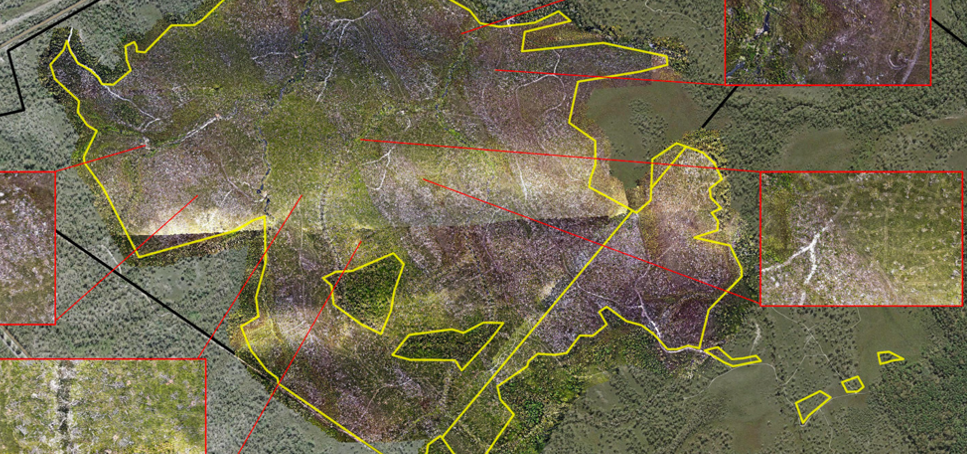
Drone technology was used at our client’s site at Tin Can Bay, Queensland to support the planning and future monitoring of vegetation restoration following a clearing event. High-resolution orthomosaic imagery and a digital elevation model (DEM) were generated from the drone flight data by Biodiverse Environmental, enabling accurate assessment of site conditions and disturbance extent.
The DEM provided a basis for comparing landform conditions before and after clearing. It confirmed that the terrain remained largely unaltered, with hydrological patterns intact, suggesting strong potential for natural regeneration. The elevation data also helped verify vegetation mapping in low-lying areas that were otherwise inaccessible during ground surveys.
The orthomosaic image, created from post-clearing drone imagery, shows areas of high and low density vegetation canopy removal across the site as per the image below. These visual differences were used to assess the spatial extent and intensity of clearing. Concurrent field surveys were carried out by Applied Environment & Safety and Biodiverse Environmental, enabling real-time validation of drone observations and confirming the presence of retained woody debris, which offered insight into past vegetation structure and regeneration potential.
This imagery provides a spatial baseline for restoration planning. Annual drone surveys will capture consistent data, enabling direct year-to-year comparison of vegetation recovery. Where specific Regional Ecosystems lack the required species composition, precision reseeding such as dispersal via seed bombing by drones will be used to support natural regeneration. This dual application of drone technology supports adaptive management, guides maintenance priorities, and documents restoration outcomes over time.
This project demonstrates the value of close collaboration between aerial and on-ground survey methods. The partnership with Biodiverse Environmental highlights how integrated data collection can enhance ecological planning and strengthen long-term restoration outcomes.
Environmental Monitoring
We offer integrated environmental monitoring and management services, combining on-ground ecological expertise to support accurate planning, compliance tracking, and adaptive site management. Our team delivers tailored management plans backed by spatial data and field validation. This ensures our clients achieve regulatory outcomes and management measures for long-term ecosystem resilience. For more information, see our services page here.
Bringing Landscapes Back to Life: Revegetation Principles from the Desert to the Rainforest
Revegetation is more than restoring vegetation – it is about rebuilding ecosystems, reconnecting landscapes and repairing our relationship with the land. Whether it is turning farm dams into living wetlands or coaxing life from a barren desert plain, the art and science of revegetation are proving that, given the right help, the land knows how to heal itself
Wetlands and Waterways: Breathing Life Back into Water
Once seen merely as soggy paddocks or mosquito traps, wetlands are now recognised as ecological powerhouses – natural filters, flood buffers, and wildlife havens.
In South East Queensland, farmers and land restoration groups are working together to reimagine farm dams as biofiltration systems, lining their edges with native sedges, reeds, and rushes that soak up nutrients and sediment in runoff before it reaches rivers.
Successful wetland revegetation relies on selecting native species tailored to specific water depths. Each species has specific tolerance to inundation and oxygen availability, ensuring optimal growth, survival and effective establishment within aquatic ecosystems.
Along creeks, riparian rehabilitation projects are restoring the native forests that once shaded and stabilised waterways. Effective rehabilitation typically involves stabilising banks to reduce erosion, re-establishing native vegetation to provide habitat and shade, and excluding or carefully managing stock access to prevent further degradation.
Waterway banks can be stabilised by reshaping steep or eroded areas and reinforcing them with natural materials such as coir logs, rock armouring or geotextiles to reduce erosions from flow and runoff. Establishing riparian vegetation with a variety of root types, such as tap roots, fibrous roots, adventitious roots and rhizomatous roots, to bind the soil improves structural integrity and provides long term stabilisation of the bank.
Floating wetlands or rafts planted with aquatic vegetation that trap sediment are increasingly being used across Australia to take up nutrients and offer habitat for birds and frogs. Simple rafts can be fashioned from pipe and geofabric for domestic uses whilst large scale, commercial modules are available for lakes, wetlands and bioretention basins. Many companies are investing in floating wetland trials as early research shows the cost can be more effective than other engineering options to remove nitrogen and phosphorous.
Rainforests: Managing the Weeds, and Letting Nature do the Work
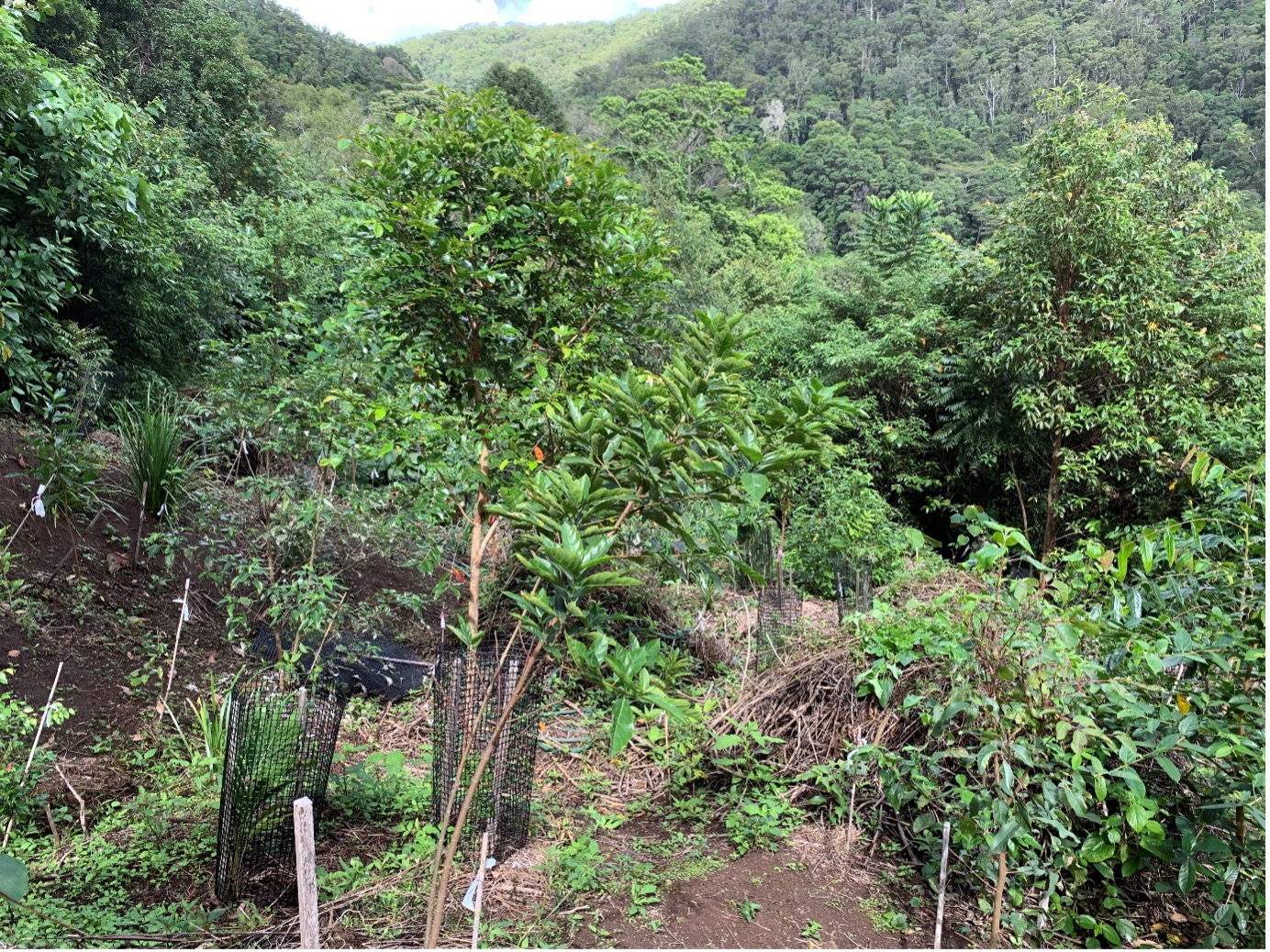
In the subtropical rainforests of South East Queensland, the greatest challenge isn’t replanting — it is removing the competition. Decades of disturbance have allowed invasive vines and aggressive shrubs to outcompete native plants. Yet, once these weeds are managed, nature often takes care of the rest.
Seed banks hidden in the soil awaken. Pioneering species such as wattles, bleeding hearts and macaranga emerge first, creating shade and shelter for slower-growing species.
Natural regeneration is the process by which vegetation recovers on its own without active planting, using existing seed banks, root stock and nearby seed sources. Given the right conditions such as reduced disturbance and competition, adequate moisture and protection from grazing, native plants can establish naturally, often resulting in more resilient and locally adapted ecosystems. In heavily degraded patches, restoration may include replanting tube stock carefully chosen to match the locations original vegetation type.
Changing Practises
The bush regeneration community is moving away from using plastic tree guards where possible to reduce the consumption of plastic. However, there is sometimes still the need to protect young trees in areas which are heavily browsed by wallabies or even dug up by native bush rats and brush turkeys.
Fencing off livestock is equally vital for rehabilitation because it prevents trampling, grazing and soil compaction that can severely hinder vegetation recovery. Livestock disturb fragile soils, damage young seedlings and contribute to erosion and sediment runoff into waterways, which degrades both terrestrial and aquatic ecosystems. By excluding stock, natural regeneration processes can occur, allowing native plants to establish and root systems to stabilise the soil.
Soon enough, anecdotal signs of recovery appear – a whipbird call, a skink darting across leaf litter, a scatter of fruit from a young rainforest tree. Biodiversity, once nearly lost, begins to reassert itself.
Deserts: Revegetation Against the Odds
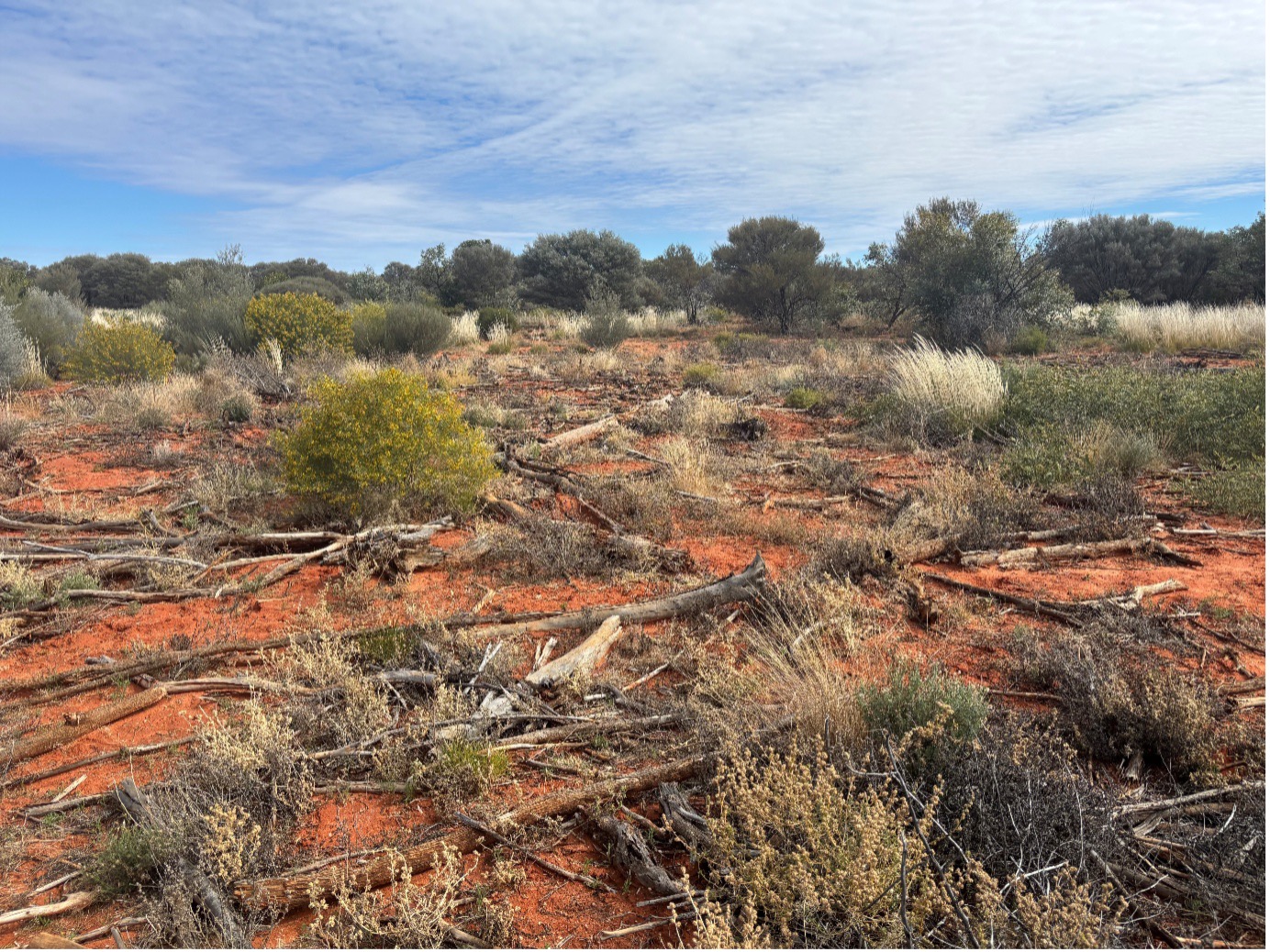
Out in Australia’s arid heart, revegetation looks different – slower, subtler, but no less remarkable.
The first step is fixing the land’s skeleton: removing any imported materials, ripping compacted soil, replacing lost topsoil, and recreating natural contours by filling pits and removing bunds that disrupt water flow.
Then comes the question of seeding. Trials show that natural regeneration, allowing wind, flood, and fauna to spread seed, can be as effective as sowing by hand. When seeding is needed, local provenance matters; using locally collected seed ensures genetic integrity and survival in harsh conditions. Where local collection is not feasible, seed can be purchased from native suppliers, however as with rainforest revegetation it is essential to only select species that are already naturally occurring on site and/or native to the regional ecosystem type. The overall goal: a mosaic of grasses, shrubs, and trees that mirrors the natural assemblage.
Timing is crucial. Plant or seed just before the wet season; too early or too late, and the effort can vanish into dust. In arid Australia, rainfall is highly variable and often limited and sometimes torrential, so timing activities to coincide with optimal conditions maximises plant establishment and survival. Poor timing can lead to high mortality, wasted resources and the need for rework, whereas aligning revegetation with favourable conditions supports more efficient, resilient restoration outcomes.
Fauna Habitat Creation
To jump-start habitat, regeneration crews leave woody debris piles, offering shade and shelter for small mammals, reptiles, and insects. They also play a role in stabilising soil, reducing erosion, retaining moisture, regulating temperature and capturing organic matter, which supports seed germination and improves overall ecosystem recovery.
Soil Sampling
On sites such as gas fields, soil sampling is often required before rehabilitating infrastructure such as flare pits and mud sumps to accurately characterise the type, extent and concentration of contaminants present, such as hydrocarbons, salts, heavy metals or drilling additives. This information is critical for determining whether soils can be treated in situ, encapsulated, require removal to a licenced facility, or need specific remediation techniques such as bioremediation.
Sampling also establishes baseline conditions to inform risk assessments, ensuring that rehabilitation measures protect human health and the environment, particularly surrounding soil and groundwater. In addition, it supports compliance with regulatory requirements and provides measurable criteria to demonstrate that remediation objectives have been achieved prior to site closure or relinquishment.
Weed Control for Revegetation
Ongoing weed control in all regenerating ecosystems is essential to successful revegetation because invasive species can rapidly outcompete native plants for light, water and nutrients, limiting establishment and altering ecosystem structure. Without continued management, weeds can dominate revegetation areas, supress natural regeneration and reducing biodiversity – often setting back rehabilitation progress.
Effective weed control supports the growth of native species, allows root systems to develop and stabilise soils and helps re-establish ecological processes. It also reduces long-term maintenance burden by preventing weed seed set and spread, ultimately contributing to a more resilient and self-sustaining ecosystem.
Successful Revegetation
Successful rehabilitation of wetlands, rainforests and desert ecosystems relies on a shared set or core principles – understanding the original ecosystem and its processes, restoring natural hydrology and soil function and selecting locally appropriate native species.
Effective rehabilitation also requires minimising disturbance, controlling threats such as weeds and grazing and aligning works with seasonal conditions to support plant establishment.
Ongoing monitoring and adaptive management are critical to respond to changing conditions and long-term success.
Ultimately, rehabilitation should aim to re-establish resilient, self-sustaining ecosystems that reflect the structure, function and biodiversity of the original environment.
How felled timber is powering streambank rehabilitation in South East Queensland
When you think of streambank rehabilitation, timber waste might not come to mind as a solution; but at a recent International Erosion Control Association Australasia (IECA) Australasia workshop, that thinking was turned on its head.
Hosted by the IECA and Healthy Land and Water, the workshop titled Using Wood in Streambank Recovery and Resilience brought together a passionate community of environmental specialists, consultants, and practitioners. Their mission? To explore how the humble tree, often cleared and discarded during construction, can play a vital role in protecting and rejuvenating our waterways.
From Waste to Wonder
Too often, vegetation felled during construction is mulched or hauled away. But what if, instead of seeing it as waste, we viewed it as a resource?
That’s exactly what the workshop demonstrated. With insightful presentations and real-world case studies, attendees learned how timber, when used strategically, becomes a powerful tool for erosion control and habitat creation. Timber piles, log jams, and woody debris structures not only stabilise banks, they also slow water flow, form pools, and foster biodiversity by reconnecting fragmented ecosystems.
A Blueprint for Smarter Rehabilitation
One of the standout messages from the day was the importance of forward planning. Rehabilitation begins long before boots hit the ground. With the right design approach, felled trees can be repurposed on-site, reducing costs, waste, and environmental impact. It’s a sustainable, circular model that benefits both projects and the planet.
Even better? These natural methods don’t stand alone. Workshop examples showcased blended techniques – combining timber structures with rock armouring and extensive revegetation to deliver stability today and resilience tomorrow.
Real Voices, Real Impact
What made the workshop truly impactful were the stories shared by on-the-ground practitioners. Their candid insights into the challenges and rewards of working with natural materials gave depth to the day’s learning. It’s one thing to talk about theory, it’s another to hear how local teams are putting it into practice and making a tangible difference in South East Queensland.
Key Takeaways
Natural materials like timber offer both structural integrity and ecological value.
Smart planning can turn cleared vegetation into a powerful restoration asset.
A whole-of-ecosystem approach leads to more resilient, long-term outcomes.
Blending natural and engineered methods results in better, more sustainable solutions.
Rewriting the Rehabilitation Playbook
This workshop was more than an educational event it was a call to action. It reminded us that rehabilitation isn’t just about repairing damage; it’s about shifting our mindset to work with nature, not against it. And it showed that, with the right approach, what we once saw as “waste” could be the key to healthier waterways and stronger communities.
Photo credit: Ipswich City Council / Healthy Land & Water
At Applied Environment & Safety, we are proud to support this type of planning and rehabilitation. Whether you’re planning clearing vegetation or rehabilitation, our team can help identify solutions, such as reusable timber to integrate it into erosion control strategies, and oversee the implementation. Together, we can design solutions that are smart, sustainable, and ecosystem-friendly from day one. For more information on how we can support you, click here.
Native gardens are becoming essential features of sustainable urban living, offering numerous environmental benefits right in our own backyards. By planting native species, we help support local wildlife, improve soil health, and reduce the need for water, pesticides and fertilisers. Native gardens are more than just aesthetically pleasing, they are vital ecosystems that foster biodiversity and strengthening the resilience of our urban environments.
Supporting Local Wildlife
One of the greatest advantages of native gardens is their ability to provide essential habitat for local wildlife. Birds, insects, small mammals and reptiles find food, shelter and nesting opportunities among native plants helping sustain local populations threatened by habitat loss.
Skinks and geckos, for example, thrive in these urban garden environments using ground cover, rocks and native flora. They also control insect populations naturally further contributing to garden health.
Native plants are also uniquely adapted to the local climate, requiring less water, fertilisers and maintenance than exotic species. This makes them not only biodiversity friendly but also cost-effective, reducing resource consumption while creating a self-sustaining ecosystem.
A Community Approach to Restoration
In Noosa, not-for-profit organisations like Urban Wildlife Gardens (UWG) are pioneering efforts to integrate native gardens into environmental restoration initiatives. Through home garden visits, UWG provides expert advice on enhancing biodiversity in residential spaces and offering free native plants tailored to local conditions. They also distribute educational newsletters, inspiring residents to transform their backyards into thriving ecosystems that support native flora and fauna.
By restoring urban habitats, these initiatives help conserve endangered species while strengthening regional biodiversity.
Community-driven approaches such as these demonstrate how small, individual actions can collectively contribute to broader environmental goals. Learn more about how UWG is transforming urban spaces with native gardens at https://urbanwildlifegardens.org.au.
Making an Impact Through Native Gardening
Choosing native plants for our gardens isn’t just about aesthetics, it’s a powerful step toward environmental sustainability. These simple yet meaningful changes enhance local ecosystems while supporting global efforts to preserve biodiversity. By embracing native gardens, we contribute to broader ecological goals that align with global conservation efforts, including the United Nations Sustainability Development Goals.
Native gardens advance the following Sustainability Development Goals.
Our Commitment
Applied Environment & Safety’s Director, Melanie Dixon, has been a member of UWG for over five years and is committed to gardening which supports local biodiversity. Melanie has targeted the removal of environmental weeds from her garden and planting with local species suited to the micro-climates of the garden. Melanie says that “The birds, insects and lizards that are attracted to my garden is quite amazing”.
For more information on Applied Environment & Safety’s commitment to environmental sustainability, click here.
Applied Environment & Safety is looking for a new team member. Our range of projects continues to grow and so we are seeking an environmental consultant to join our team.
About the job
Drive environmental outcomes & be part of our sustainable business Are you passionate about environmental compliance and looking to work on large construction projects? Do you want to be part of a consultancy that leads by example and leads real change?
Applied Environment & Safety is growing, and we are looking for an environmental consultant to part of our team. This is an exciting opportunity to collaborate with experts, deliver practical solutions and make a real impact.
Why join our team? – Work on important renewable energy & infrastructure projects – Be part of a team committed to sustainability & environmental excellence – Enjoy a flexible & supportive work environment with remote working options – Access mentoring and support with our collaborative team – Competitive salary, performance incentives & work-life balance
What will do – Lead environmental onsite compliance support for major infrastructure projects – Manage project approvals, risk assessments, and compliance strategies – Collaborate with multidisciplinary teams – Engage in business development by supporting proposals and client relationships – Stay ahead of legislation & policy changes, shaping sustainable project outcomes
What we are looking for – 5+ years of experience in environmental approvals or planning in the infrastructure or energy sectors – Previous onsite environmental construction experience is highly desirable – Passion for environmental excellence – Strong project management, problem solving and stakeholder engagement skills
What we offer Flexibility – Work-from-home options & additional purchased leave Incentives & perks – Performance bonuses, wellness days & professional memberships Impact-driven work – Help drive the transition to clean energy & sustainable solutions
At Applied Environment & Safety, environmental excellence and sustainability is at the core of everything we do.
If you are ready to make a difference and grow your career, we want to hear from you!
Send your resume and cover letter to: info@appliedes.com.au
Applied Environment & Safety Welcomes Scott Stevens
Scott Stevens is a newly appointed Environmental Graduate with a diverse background combining hands-on experience, academic achievement in ecology, conservation and urban environments, along with strong leadership skills refined during his military service. His practical expertise is further supported by his qualification as a carpenter, which offers valuable insight into the construction industry and strengthens his credibility with practical solutions.
His military service exposed him to a range of cultures and lifestyles, deepening his respect for nature and local communities. Now embarking on his consultancy career, Scott is committed to bridging academic research and real-world application by supporting initiatives that enhance biodiversity, promote sustainable land management, and develop resilient ecosystems.
Driven by his belief that progress and the natural world can work in harmony, Scott values collaboration and creative problem-solving. He is passionate about contributing to sustainable solutions that benefit both our clients and the broader community while maintaining the integrity of the environment throughout every project.
Navigating Wildlife Regulations on Queensland Construction Projects
While working on construction projects in Queensland, it’s important to be aware of how your work might affect local wildlife. The Nature Conservation Act 1992 focuses on protecting nature, especially wildlife and their habitats, while ensuring any use of these natural resources is sustainable.
If your project could impact the breeding places of protected animals, from those that are critically engandered to those considered least concern, you’ll need a Species Management Program (SMP). Breeding places include not only obvious spots like birds nests or tree hollows but also less visible areas where animals like frogs and reptiles breed.
What does an Species Management Program do?
An SMP helps to:
Spot risks – identify any potential threats to animal breeding sites due to your project
Manage impact – put in place measures to avoid to minimise any harm to these sites, both now and in the future
Keep track – set up monitoring and reporting to ensure your efforts are effective and compliance reporting can be completed
Types of Species Management Programs
There are two types of SMPs:
High risk – for species that are colonial breeders (e.g. groups of animals of the same kind co-existing in close association for breeding purposes), special least concern, near threatened, vulnerable, endangered or critically endangered
Low risk – for species of least concern that aren’t colonial breeders
Species Management Programs and other approvals
Keep in mind, an SMP doesn’t cover everything, such as clearing vegetation, which might need approval under other laws like the Planning Act 2016 or the Vegetation Management Act 1999.
The bottom line
If you’re in construction, knowing the ins and outs of the Nature Conservation Act 1992 and SMPs is crucial. It ensures you’re not only following the rules but also playing a part in protecting Queensland’s wildlife. Proper planning and following the SMP guidelines will help you reduce your project’s environmental impact while keeping your project on track.