

EMPs written to be used. Condition specific, aspect based and built around how your site runs.
An environmental management plan is the document a regulator asks for first and the document most projects put the least thought into. Written well, it is the operating manual for environmental compliance on your site. Written badly, it is a liability with your name on it.
AES prepares environmental management plans for projects and sites across Australia. We write to your specific approval conditions and the environmental aspects your work actually creates, and we structure the plan so the site team can follow it.
Featured Project
Environmental & Landowner Advisor for Transmission Line Maintenance
Runcorn to Eight Mile Plains, Queensland
Applied Environment & Safety provided onsite environmental and landowner support for this tower maintenance project located within the southern suburbs of Brisbane.
This required managing project works adjacent to sensitive areas such as Bulimba Creek, major motorways and within residential backyards.
Environmental support for this project included development of Site Based Management Plans and operational checklists. Ongoing environmental monitoring and liaison with nearby residents was undertaken during the abrasive blasting and painting works. Then supervision of the clean-up of the work sites and rehabilitation for project closure.
What Is an Environmental Management Plan?
An environmental management plan, or EMP, sets out how a project or site will manage its environmental impacts through delivery. It identifies the environmental aspects of the work, assesses the risk each one carries, specifies the controls that will be applied, and defines the monitoring, responsibilities and reporting that keep those controls honest.
An EMP is usually a condition of a development or environmental approval and must be in place before works begin. Where a site is already operating, a site environmental management plan, or SEMP, performs the same function for ongoing activities.
Why an EMP Matters
The EMP is the reference point for every environmental conversation on a project. Auditors audit against it, regulators assess compliance against it, and principal contractors hold subcontractors to it. If it is vague, everything downstream of it is vague too.
It is also the document that protects the project team. A clear plan with named responsibilities and defined triggers means that when something goes wrong, there is a documented, defensible position rather than an argument about who was supposed to be watching.
Who Needs an Environmental Management Plan?
An environmental management plan is typically needed by:
- Projects with an EMP or CEMP condition attached to a development or environmental approval
- Principal contractors setting environmental requirements for a site and its subcontractors
- Operating sites requiring a site environmental management plan for ongoing activities
- Project teams whose existing plan has been challenged in an audit or by a regulator
- Developers and asset owners carrying conditions through to a delivery contractor
- Government and public sector projects with environmental reporting obligations
Typical Applications
- Environmental management plans for projects, sites and works packages
- Site environmental management plans for operating and ongoing activities
- Aspect specific sub plans prepared as part of an overarching EMP
- Review and rewrite of existing plans that are not working on site
- Plan updates following a scope change, audit finding or approval amendment
- Implementation support, induction material and toolbox briefing for site teams
Aspect Sub Plans We Prepare
Where an approval condition or a specific risk warrants a standalone document, we prepare:
- Erosion and sediment control plans, including staged ESCPs
- Flora and fauna management plans, covering clearing protocols and fauna spotter catcher requirements
- Soil and water management plans
- Waste management plans for construction waste streams
- Noise and vibration management plans
- Biosecurity management plans, covering weed and pest hygiene
- Spoil and excavated material management plans
- Acid sulfate soil management plans
- Dust and air quality management plans
What We Include
Every AES environmental management plan includes:
- Review of your approval conditions, legislation and contractual environmental requirements
- Identification of the environmental aspects arising from the proposed works
- Risk assessment of each aspect against likelihood and potential impact
- Control measures specified for each aspect, including responsibilities and triggers
- Monitoring, inspection and audit requirements with frequencies
- Incident response, reporting and corrective action procedures
- Roles, responsibilities and competency requirements for the project team
- Record keeping and reporting formats that evidence compliance
Industries We Support
Applied Environment & Safety provides environmental management plan preparation for organisations and complex projects across a range of industries.
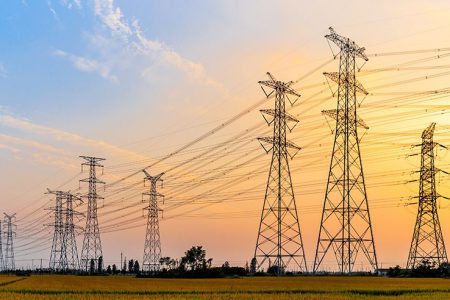
Power & Renewables
With vast experience within the power & renewables industry, we understand the risks and opportunities.

Mining & Resources
We provide environmental and safety consulting support to exploration and production operations within the mining and resources industry.

Transport & Civil Works
Our experience in environmental and safety management provides practical support to our clients within the transport & civil works.
Why Work With Applied Environment & Safety
We write to your conditions, not to a template. Every plan starts with the approval and the specific obligations it creates, because a plan that does not map back to the conditions will not survive an audit.
We build plans around the aspects your work genuinely creates. Padding an EMP with irrelevant sections makes it harder to use and no more compliant. We would rather deliver a shorter plan that a site team actually reads.
Get an EMP That Holds Up
Request an EMP quote and we will review your conditions and tell you exactly what your plan needs to cover.
Contact our team today to discuss your project requirements.
Other Environmental Management Services
Construction Environmental Management Plans
Erosion and Sediment Control Plans
Environmental Compliance and Monitoring
Environmental Auditing and Compliance Audits
Sustainability Management Plans
Environmental Management Services
Resources & Insights
-

Environmental Tender Support for a Major Transmission Project
Applied Environment & Safety supported a design and construct contractor through the tender phase of a major transmission infrastructure project in the Hunter Valley, New South Wales.
-

What is the Rehabilitation Hierarchy? A Guide to Land Rehabilitation and Environmental Management
Rehabilitation is often viewed as the final stage of a project, something that occurs once construction or operations have ceased and equipment has been removed. In reality, effective rehabilitation begins long before the first disturbance occurs. The most successful rehabilitation programs are guided by a rehabilitation hierarchy, a structured framework that prioritises avoiding impacts wherever…
-
Supporting Local Stewardship: Volunteering with NICA
At Applied Environment & Safety, we know that effective environmental protection relies as much on personal and community action as it does on formal environmental legislation and protection mechanisms. That is why we are proud to highlight the impactful work of the Noosa Integrated Catchment Association (NICA)—a community-driven volunteering based organisation doing vital work on…
FAQ’s
Common questions from project teams about environmental management plans.
A CEMP is an environmental management plan specifically for the construction phase of a project. An EMP is the broader term and can cover construction, operation or an ongoing site. If your approval condition uses the term CEMP, the plan needs to address construction activities specifically.
At minimum: the project and site context, the environmental aspects of the work, a risk assessment of those aspects, the control measures for each, monitoring and inspection requirements, roles and responsibilities, incident and corrective action procedures, and reporting and record keeping requirements.
Not always. Many aspects are best handled as sections within the EMP. Standalone sub plans are warranted where an approval condition requires one, where the risk is high, or where a specific discipline is involved, such as an erosion and sediment control plan or an acid sulfate soil management plan.
A SEMP applies the same structure to a specific site and its ongoing activities, rather than to a defined project or construction programme. The content is similar. The scope and the timeframe are different.
Yes. We regularly review plans prepared elsewhere, either for compliance against the approval conditions or because the plan is not being followed on site. We will tell you honestly whether it needs amending or rewriting.