

Know your environmental risks, set appropriate controls, and be ready to respond proactively.
AES provides environmental risk assessment, incident response and investigation support for construction and infrastructure projects across Australia. We help you understand where your real environmental risks sit, put the right controls against them, and respond quickly and properly when an incident does occur.
Featured Project
Environmental & Landowner Advisor for Transmission Line Maintenance
Runcorn to Eight Mile Plains, Queensland
Applied Environment & Safety provided onsite environmental and landowner support for this tower maintenance project located within the southern suburbs of Brisbane.
This required managing project works adjacent to sensitive areas such as Bulimba Creek, major motorways and within residential backyards.
Environmental support for this project included development of Site Based Management Plans and operational checklists. Ongoing environmental monitoring and liaison with nearby residents was undertaken during the abrasive blasting and painting works. Then supervision of the clean-up of the work sites and rehabilitation for project closure.
What Is Environmental Risk Management?
Environmental risk management is the process of identifying the ways a project or operation could harm the environment, assessing how likely and how serious each of those outcomes may be, and putting controls in place that reduce the risk to an acceptable level. It is the foundation that every environmental management plan, sub plan and monitoring programme is built on.
It also covers what happens when a risk is realised. Incident response and investigation are part of the same discipline: containing the harm, meeting any legal duty to notify, finding out why the controls failed, and making sure the same thing does not happen again.
Why Environmental Risk Management Matters
A good environmental risk assessment focuses effort where it matters. It stops a project over-investing in low risk issues while missing the one that could cause serious harm, and it gives regulators, principal contractors and auditors a clear rationale for the controls that have been chosen.
Incidents carry legal obligations. Under environmental legislation, certain incidents that cause or threaten environmental harm must be reported to the regulator, in some cases within very short timeframes. A project that has planned its response can meet those obligations calmly. One that has not is making critical decisions under pressure.
Who Needs Environmental Risk Management Support?
Environmental risk and incident support is typically needed by:
- Projects preparing environmental management plans
- Principal contractors assessing environmental risk across multiple work packages and subcontractors
- Sites that have experienced an environmental incident such as spill, discharge, or unauthorised clearing
- Project teams responding to a regulator notice, complaint or investigation
- Operators needing incident or pollution response plans for their activities
Typical Applications
- Environmental risk assessments for projects, sites and construction activities
- Aspects and impacts registers and environmental risk registers
- Environmental incident response and emergency preparedness plans
- Corrective action planning and verification following an incident
What We Include
AES environmental risk management support includes:
- Identification of environmental aspects and potential impacts across your activities
- Risk assessment using a clear likelihood and consequence framework aligned to your project or corporate system
- Control measures proportionate to the level of risk, with responsibilities assigned
- Incident response procedures covering containment, notification and escalation
- Structured incident investigation, including root cause analysis and Incident Cause Analysis Method (ICAM) environmental incident investigations
Industries We Support
Applied Environment & Safety provides environmental risk management support for organisations and complex projects across a range of industries.
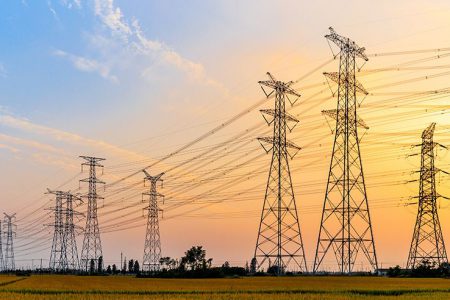
Power & Renewables
With vast experience within the power & renewables industry, we understand the risks and opportunities.
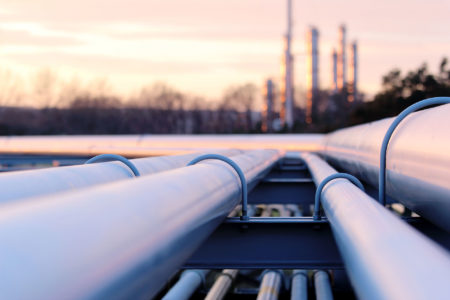
Mining & Resources
We provide environmental and safety consulting support to exploration and production operations within the mining and resources industry.

Transport & Civil Works
Our experience in environmental and safety management provides practical support to our clients within the transport & civil works.
Why Work With Applied Environment & Safety
We assess risk the way projects actually carry it. Our team has worked on multiple construction sites, so our assessments reflect how work is really sequenced and supervised, and the controls we recommend are ones a site team can deliver.
When an incident happens, we help you contain it, work out what needs to be reported and when, and investigate it properly, so the outcome is a fix that holds rather than a report that sits in a folder.
AES has vast experience in the development of environmental risk assessments for major infrastructure projects across Australia. We have led the development of risk assessments, environmental controls, and incident preparedness and response as part of overarching Construction Environmental Management Plans to align to project approvals.
Get Ahead of Your Environmental Risk
Talk to us about assessing your environmental risks, or incident follow-up, we are here to assist.
Contact our team today to discuss your project requirements.
Other Environmental Management Services
Environmental Auditing and Compliance Audits
Learn more
Erosion and Sediment Control Plans (ESCP)
Learn more
Environmental Management Plans (EMP)
Learn more
Construction Environmental Management Plans (CEMP)
Learn more
Environmental Compliance and Monitoring
Learn more
Acid Sulfate Soil Management Plans
Learn more
Dust Management Plans
Learn more
Vegetation Management Plans
Learn more
Resources & Insights
-
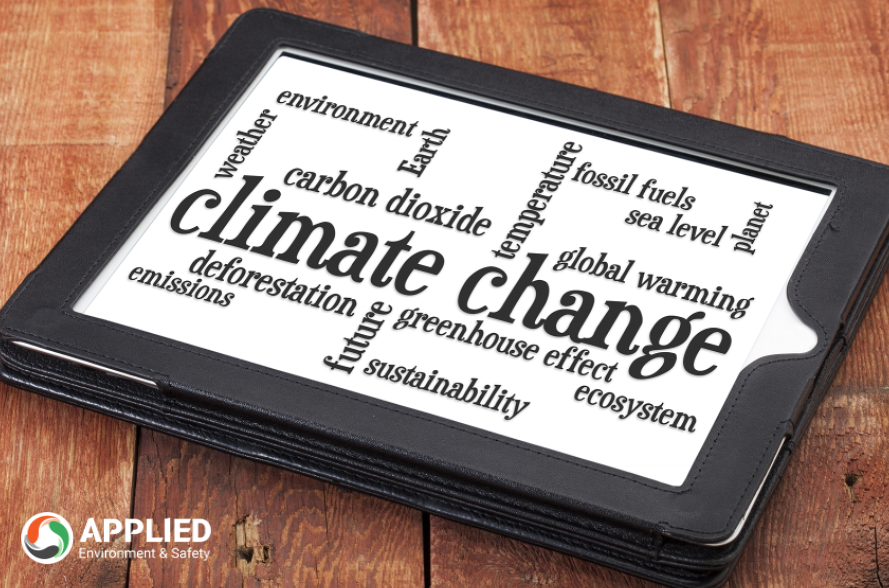
Corporate Climate Change & Decarbonisation Planning
Turning climate commitments into practical action requires more than setting emissions targets. Organisations need a clear understanding of their emissions profile, realistic reduction opportunities and a plan for putting those opportunities into practice. Applied Environment & Safety recently supported a major infrastructure and utilities business in developing its 2027–2032 Climate Change and Decarbonisation Plan, building…
-

Environmental Tender Support for a Major Transmission Project
Applied Environment & Safety supported a design and construct contractor through the tender phase of a major transmission infrastructure project in the Hunter Valley, New South Wales.
-
What is the Rehabilitation Hierarchy? A Guide to Land Rehabilitation and Environmental Management
Rehabilitation is often viewed as the final stage of a project, something that occurs once construction or operations have ceased and equipment has been removed. In reality, effective rehabilitation begins long before the first disturbance occurs. The most successful rehabilitation programs are guided by a rehabilitation hierarchy, a structured framework that prioritises avoiding impacts wherever…

FAQ’s
Common questions from project teams about environmental risk and incidents.
An environmental risk assessment identifies the ways an activity could harm the environment, rates each risk by its likelihood and consequence, and sets out the controls needed to reduce it to an acceptable level. It is the basis for environmental management plans and is a core requirement of ISO 14001.
An environmental aspect is the part of your activity that interacts with the environment, such as refuelling machinery or clearing vegetation. The impact is the change to the environment that results, such as soil contamination or habitat loss. Risk assessment looks at the aspect, the potential impact, and how likely and severe that impact would be.
It may need to be reported. In Australia, each state has environmental legislation that sets out what constitutes material environmental harm and when an environmental incident requires regulatory notification. Your approval or licence may add further requirements, so the obligation needs to be checked for every incident.
Make the area safe, contain and stop the source of harm, assess whether the incident must be notified and to whom, and record what happened while it is fresh. A formal investigation and corrective actions follow once the immediate risk is controlled.
Because the corrective action deals with the harm, not the cause. An investigation identifies why the controls failed, which is what stops the same incident happening again. It also demonstrates to regulators and principals that the project has responded responsibly.