

ESCPs that work on the ground. Site specific, staged and built to survive a wet season.
Sediment leaving a construction site is the most visible environmental failure there is. It ends up in a drain, a creek or a neighbour’s property, and it is almost always traced straight back to the site it came from.
AES prepares erosion and sediment control plans for construction and civil projects across Australia. We design controls around the actual site, its soils and its drainage, and we set them out clearly enough that the crew installing them can get it right.
Featured Project
Environmental & Landowner Advisor for Transmission Line Maintenance
Runcorn to Eight Mile Plains, Queensland
Applied Environment & Safety provided onsite environmental and landowner support for this tower maintenance project located within the southern suburbs of Brisbane.
This required managing project works adjacent to sensitive areas such as Bulimba Creek, major motorways and within residential backyards.
Environmental support for this project included development of Site Based Management Plans and operational checklists. Ongoing environmental monitoring and liaison with nearby residents was undertaken during the abrasive blasting and painting works. Then supervision of the clean-up of the work sites and rehabilitation for project closure.
What Is an Erosion and Sediment Control Plan?
An erosion and sediment control plan, commonly called an ESCP or ESC plan, sets out how a site will prevent soil erosion and stop sediment leaving the site during construction. It combines site drawings, control measure details, installation and maintenance requirements, monitoring frequencies and responsibilities into one document.
A good ESCP is staged. It reflects how the site will change as work progresses, because the controls needed during bulk earthworks are not the controls needed during service installation or landscaping. A single static plan rarely survives contact with the programme.
Why an ESCP Matters
ESCPs are a standard condition of development approval across Australian jurisdictions, and sediment release is one of the most commonly enforced environmental breaches on construction sites. It is highly visible, easy to trace and frequently reported by neighbours.
Beyond compliance, erosion control is a productivity issue. Uncontrolled runoff damages access tracks, floods excavations and costs days after heavy rain. Sites with good controls lose less time to weather than sites without.
Who Needs an ESCP?
An ESCP is typically needed by:
- Civil and construction projects with an ESCP condition on their development approval
- Land development and subdivision projects involving bulk earthworks
- Linear infrastructure projects such as roads, rail, pipelines and transmission
- Solar farm and renewable energy construction with large disturbed areas
- Sites near a watercourse, wetland, drain or other sensitive receiving environment
- Projects that have received a notice or complaint relating to sediment release
Typical Applications
- ESCP preparation for development approval and pre construction submission
- Staged ESCPs aligned to the construction programme
- Review and update of existing plans that are not performing on site
- Control measure design including basins, silt fences, check dams and stabilised entries
- On site implementation support and toolbox briefing for crews
- Erosion and sediment control inspections and compliance auditing
What We Include
Every AES erosion and sediment control plan includes:
- Site assessment covering topography, soils, drainage patterns and receiving environments
- Rainfall and catchment analysis appropriate to the location and season
- Risk assessment identifying erosion hazards and control zones across the site
- Selection and sizing of erosion control and sediment control measures
- Site drawings showing control locations, staging and drainage
- Installation details and specifications the site team can build from
- Inspection, maintenance and monitoring schedules with clear responsibilities
- Reporting and record keeping formats to evidence compliance
Industries We Support
Applied Environment & Safety provides erosion and sediment control planning for organisations and complex projects across a range of industries.
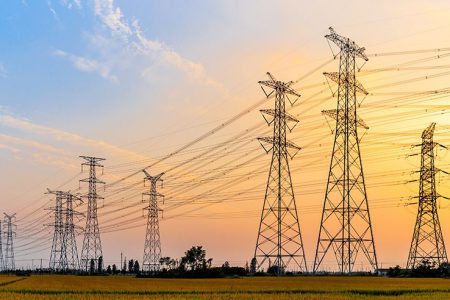
Power & Renewables
With vast experience within the power & renewables industry, we understand the risks and opportunities.

Mining & Resources
We provide environmental and safety consulting support to exploration and production operations within the mining and resources industry.

Transport & Civil Works
Our experience in environmental and safety management provides practical support to our clients within the transport & civil works.
Why Work With Applied Environment & Safety
We design controls for the site in front of us. Soil type, slope, catchment size and the receiving environment all change what will actually hold. A generic plan copied from another project is the most common reason controls fail.
We stage plans to the programme. Controls are specified for each phase of works, so the plan stays valid as the site changes rather than becoming obsolete after the first month.
Keep Sediment on Your Site
Request an ESCP quote and we will scope it against your site conditions, your approval and your construction programme.
Contact our team today to discuss your project requirements.
Other Environmental Management Services
Environmental Management Plans
Construction Environmental Management Plans
Environmental Compliance and Monitoring
Environmental Auditing and Compliance Audits
Environmental Management Services
Resources & Insights
-
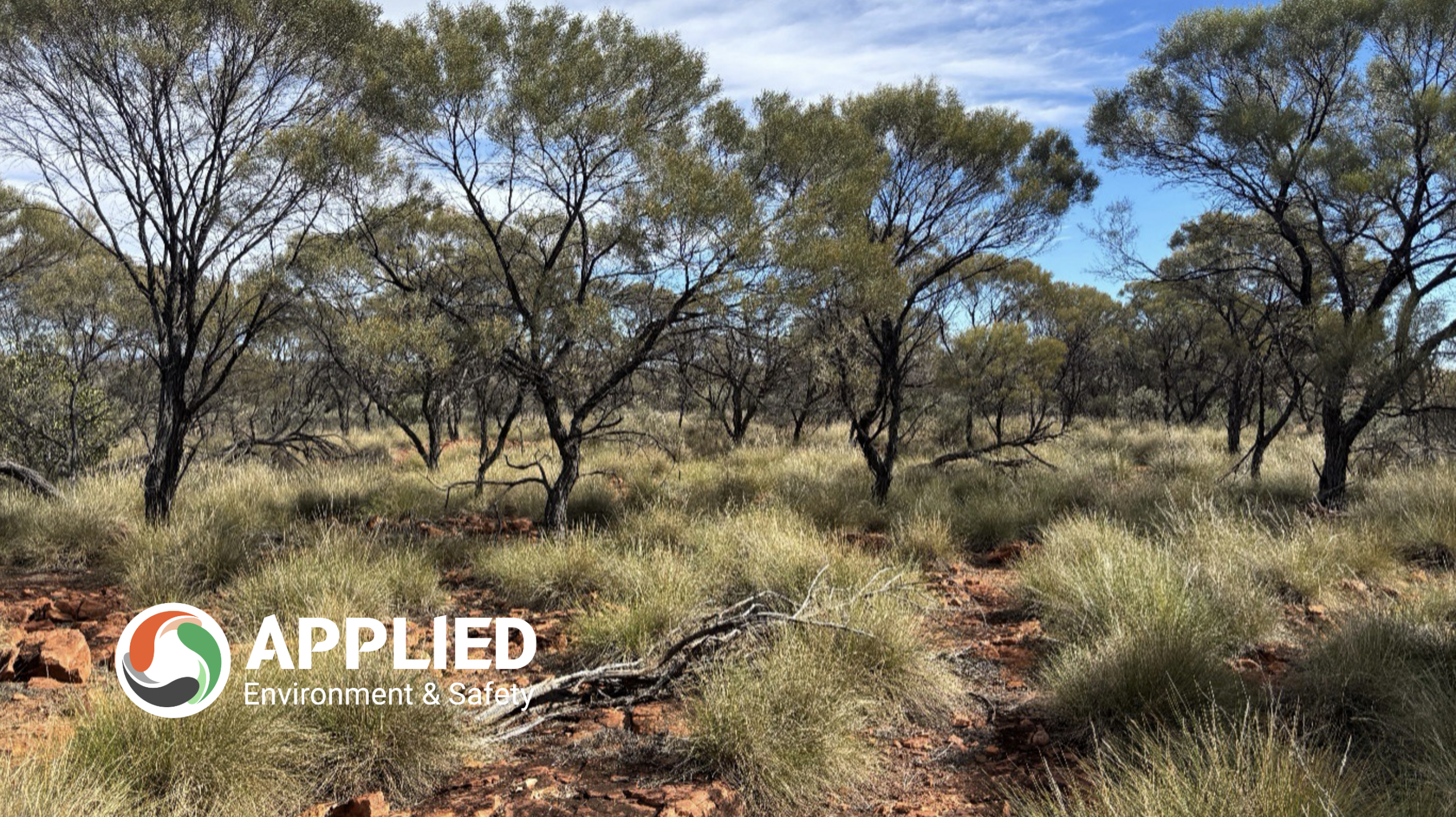
What is the Rehabilitation Hierarchy? A Guide to Land Rehabilitation and Environmental Management
Rehabilitation is often viewed as the final stage of a project, something that occurs once construction or operations have ceased and equipment has been removed. In reality, effective rehabilitation begins long before the first disturbance occurs. The most successful rehabilitation programs are guided by a rehabilitation hierarchy, a structured framework that prioritises avoiding impacts wherever…
-

Supporting Local Stewardship: Volunteering with NICA
At Applied Environment & Safety, we know that effective environmental protection relies as much on personal and community action as it does on formal environmental legislation and protection mechanisms. That is why we are proud to highlight the impactful work of the Noosa Integrated Catchment Association (NICA)—a community-driven volunteering based organisation doing vital work on…
-
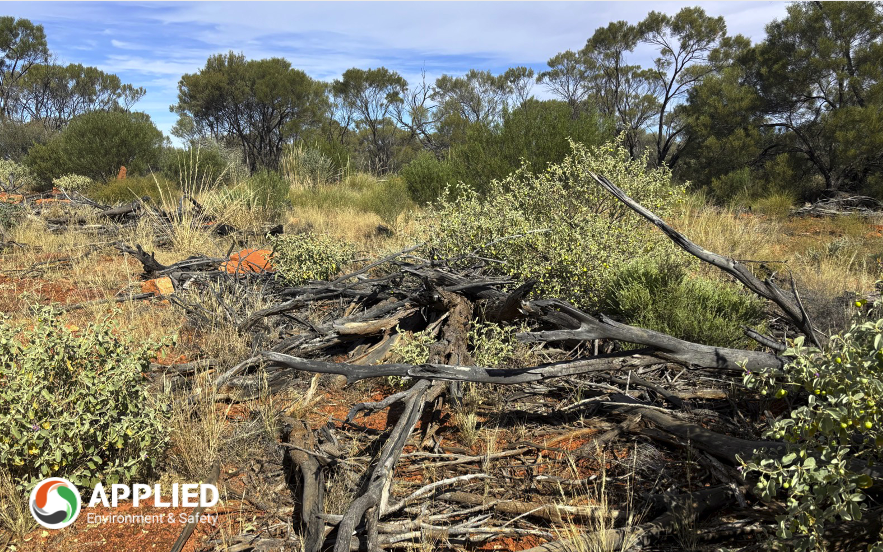
Revegetation
When we talk about revegetation, the conversation often focuses on plants, seed mixes, and vegetation cover. But successful rehabilitation is about much more than getting plants back into the ground. Revegetation to Ecosystem Restoration One of the most overlooked aspects of ecosystem restoration is the reinstatement of habitat features such as woody debris, fallen timber,…
FAQ’s
Common questions from project teams about erosion and sediment control planning.
An ESCP is typically required as a condition of development approval for any project involving soil disturbance, and is usually submitted before works commence. Requirements vary by jurisdiction and by the scale of disturbance, so the approval conditions are the place to check.
Erosion control stops soil moving in the first place, using measures such as maintaining vegetation, matting, mulch, diversion drains and minimising exposed areas. Sediment control captures soil that has already moved, using silt fences, sediment basins, check dams and inlet protection. Erosion control is always the priority because capturing sediment is far less efficient than never mobilising it.
Commonly weekly, and additionally before and after forecast rainfall events, with records kept of each inspection. Your approval conditions or ESCP will specify the frequency that applies to your site.
Yes. We are often asked to review plans that are not performing, or to re stage a plan that no longer matches the programme. We will tell you whether it needs a rewrite or a targeted amendment.