

Identify environmental risks before they become project risks.
Environmental due diligence is an essential step in project acquisition, development planning and site assessment. Understanding the environmental risks, regulatory obligations and potential liabilities associated with a project early in the process supports informed decision-making and reduces the likelihood of costly surprises during development or operation.
Without adequate environmental due diligence, organisations risk inheriting contaminated land, unresolved compliance obligations or approval requirements that significantly affect project viability and cost.
How we can help
Applied Environment & Safety conducts environmental due diligence assessments to identify environmental risks, regulatory obligations and approval requirements associated with a proposed project or acquisition. Our assessments provide the information your team needs to make informed decisions about project viability, risk allocation and planning strategy.
We work with project proponents, legal advisors and financial stakeholders to ensure environmental considerations are integrated into the broader due diligence process.
Featured Project
Environment & Land Access for Transmission Line Construction
Whyalla to Port Lincoln, South Australia
Applied Environment & Safety provided environmental planning support during the early contractor involvement (ECI) stage of ElectraNet’s Eyre Peninsula transmission line upgrade project. Our support involved input into design, site scoping and development of management measures.
We were then engaged to provide ongoing environmental management and land access support for this $290 million project during construction of the 270 km transmission line from Whyalla to Port Lincoln. This included development of the Construction Environmental Management Plan and issue specific sub-plans. Then onsite implementation and compliance through all phases of construction to rehabilitation.
Our knowledge of transmission line construction phases and potential associated environmental risks allowed us to develop and implement effective controls.
What’s involved
Environmental due diligence assessments are tailored to the nature of the project and the stage of development or acquisition. The scope may range from a high-level desktop review through to detailed site investigations, depending on the level of environmental risk and the information available.
Our environmental due diligence services include:
- Desktop environmental risk screening and review
- Review of existing environmental reports and documentation
- Site inspections and environmental condition assessments
- Contaminated land assessments and preliminary site investigations
- Identification of environmental approval and permitting requirements
- Regulatory compliance gap assessments
- Environmental risk and liability reporting for acquisition due diligence
Our approach
We structure environmental due diligence around the decisions your team needs to make. Whether you are assessing a site for acquisition, evaluating a project for investment or confirming environmental obligations before development, we tailor the scope of work to deliver the specific information you need, without unnecessary cost or complexity.
Our assessments are clear, commercially focused and structured to support decision-making by project managers, legal teams and financial stakeholders. We identify the environmental risks that matter, quantify the implications and present our findings in a format that supports your next steps.
Industries We Support
Environmental due diligence is relevant across any industry where environmental risk, compliance obligations or contaminated land may affect a project. We regularly support due diligence for projects in the following sectors.
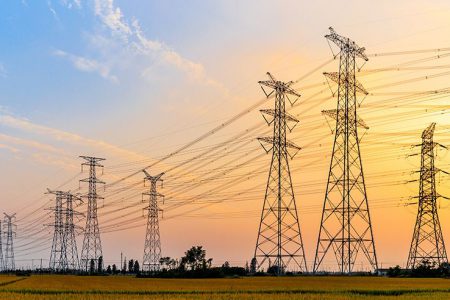
Power & Renewables
With vast experience within the power & renewables industry, we understand the risks and opportunities.
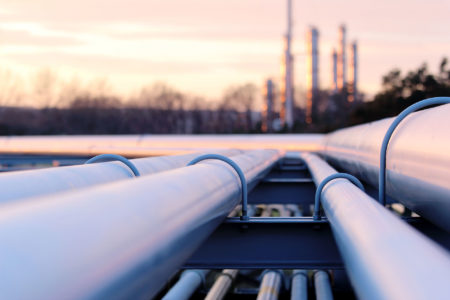
Mining & Resources
We provide environmental and safety consulting support to exploration and production operations within the mining and resources industry.

Transport & Civil Works
Our experience in environmental and safety management provides practical support to our clients within the transport & civil works.
Why Work With Applied Environment & Safety
We understand that environmental due diligence is a commercial exercise, not just an environmental one. Our assessments are structured to answer the questions your decision-makers are asking, about risk, cost, timing and regulatory exposure.
Our team combines environmental consulting expertise with an understanding of how due diligence information feeds into broader project planning and acquisition processes.
Discuss Your Environmental Due Diligence Requirements
Tell us about your project or acquisition. Our team will come back to you within one business day to discuss how AES can support your environmental due diligence needs.
Contact our team today to discuss your project requirements.
Other Environmental Planning & Approval Services
Environmental Constraints Assessment & Feasibility
Learn more
Environmental Impact Assessment
Learn more
EPBC Approvals & Planning
Learn more
State Level Environmental Approvals & Planning
Learn more
Environmental Approval Process & Regulator Liaison
Learn more
Resources & Insights
-
Corporate Climate Change & Decarbonisation Planning
Turning climate commitments into practical action requires more than setting emissions targets. Organisations need a clear understanding of their emissions profile, realistic reduction opportunities and a plan for putting those opportunities into practice. Applied Environment & Safety recently supported a major infrastructure and utilities business in developing its 2027–2032 Climate Change and Decarbonisation Plan, building…
-

Environmental Tender Support for a Major Transmission Project
Applied Environment & Safety supported a design and construct contractor through the tender phase of a major transmission infrastructure project in the Hunter Valley, New South Wales.
-
What is the Rehabilitation Hierarchy? A Guide to Land Rehabilitation and Environmental Management
Rehabilitation is often viewed as the final stage of a project, something that occurs once construction or operations have ceased and equipment has been removed. In reality, effective rehabilitation begins long before the first disturbance occurs. The most successful rehabilitation programs are guided by a rehabilitation hierarchy, a structured framework that prioritises avoiding impacts wherever…

FAQ’s
Common questions from project teams about Environmental Due Diligence.
Environmental due diligence is the process of identifying and assessing environmental risks, liabilities and regulatory obligations associated with a project, site or acquisition. It helps organisations make informed decisions before committing to a development or transaction.
Environmental due diligence is most commonly required during property or project acquisitions, before major development approvals, during site selection for new projects, and when assessing compliance with environmental regulations for existing operations.
The scope varies depending on the project, but typically includes a desktop review of environmental data, site inspections, contaminated land screening, identification of regulatory obligations and a summary of environmental risks and recommendations.
Environmental due diligence focuses on identifying existing environmental risks and liabilities, often during acquisition or early planning. An environmental impact assessment evaluates the potential future impacts of a proposed development and is typically required as part of a regulatory approval process.
Yes. Environmental due diligence commonly includes contaminated land screening through desktop review, historical land use analysis and, where required, preliminary site investigations to assess soil and groundwater conditions.
Any organisation acquiring land, developing a project or investing in an asset where environmental risk may affect value, compliance or project feasibility. This includes developers, investors, infrastructure proponents and government agencies.
Get in Touch
Contact Applied Environment & Safety today to see how we can help you.