

Understand your environmental constraints before you commit to a project.
Environmental constraints and feasibility assessments help determine whether a proposed project is viable from an environmental perspective, before significant time and investment are committed to detailed design, planning or approval processes.
These early-stage studies identify environmental sensitivities, regulatory risks and potential approval requirements that may influence project planning, site selection and design decisions. Projects that skip this step often encounter avoidable delays and cost overruns once formal approval processes are underway.
How we can help
Applied Environment & Safety supports projects by assessing environmental constraints, identifying potential approval pathways and providing early guidance on environmental risks that may affect project feasibility. Our assessments give project teams the information they need to make informed decisions about whether and how to proceed.
Featured Project
Environment Support for Department of Defence Project
Shoalwater, Queensland
Applied Environment & Safety provided environmental support for a large Department of Defence (DoD) construction and upgrade project.
This $125 million project included construction of a new 1,000 troop urban operations training facility and upgrades to an airfield, internal roads, creek crossings and beach landing site.
Our role on this project included technical environmental support and compliance tracking. Implementation required environmental inspections, tracking and closing permits, and liaison with DoD environmental representatives.
What’s involved
Environmental constraints assessments are typically desktop-based studies supported by targeted site investigations where required. They provide an early indication of the environmental considerations that will shape project planning and the approval pathway.
Our environmental constraints and feasibility services include:
- Desktop environmental constraints mapping and analysis
- Identification of protected areas, vegetation communities and habitat values
- Waterway, wetland and flooding constraints identification
- Cultural heritage and native title screening
- Review of applicable Federal, State and Local planning requirements
- Preliminary identification of likely approval pathways and timelines
- Environmental feasibility reporting and recommendations
Our approach
We approach environmental constraints assessments as a decision-support tool. The purpose is to give your project team a clear, early picture of the environmental landscape, what the constraints are, what approvals are likely to be needed and how those requirements may affect project scope, timing and cost.
Our assessments are structured to be practical and commercially relevant. We identify the constraints that matter to your project and present findings in a way that supports planning decisions, stakeholder engagement and approval strategy development.
Industries We Support
Early-stage environmental constraints assessment is particularly valuable for projects where site selection, design flexibility and approval pathways are still being determined.
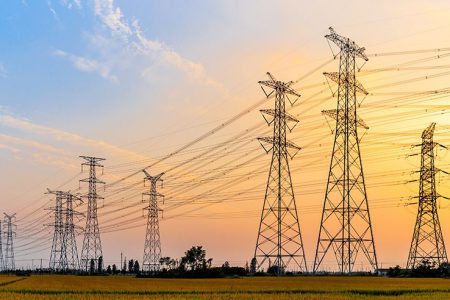
Power & Renewables
With vast experience within the power & renewables industry, we understand the risks and opportunities.

Mining & Resources
We provide environmental and safety consulting support to exploration and production operations within the mining and resources industry.

Transport & Civil Works
Our experience in environmental and safety management provides practical support to our clients within the transport & civil works.
Why Work With Applied Environment & Safety
We deliver environmental constraints assessments that are practical, focused and directly useful for project decision-making. Our team understands that the purpose of an early-stage assessment is to support planning, not to create complexity.
We work quickly and efficiently, providing clear reporting that identifies the key environmental considerations and recommended next steps without unnecessary scope or cost.
Discuss Your Environmental Constraints Assessment Requirements
Tell us about your project. Our team will come back to you within one business day to discuss how AES can support your environmental constraints assessment and feasibility needs.
Contact our team today to discuss your project requirements.
Other Environmental Planning & Approval Services
EPBC Approvals &
Planning
Environmental Impact Assessments
Environmental Due
Diligence
Environmental Approvals
State Level
Environmental Approval Process Liaison
View All Environmental Planning and Approvals
Resources & Insights
-

Environmental Tender Support for a Major Transmission Project
Applied Environment & Safety supported a design and construct contractor through the tender phase of a major transmission infrastructure project in the Hunter Valley, New South Wales.
-

What is the Rehabilitation Hierarchy? A Guide to Land Rehabilitation and Environmental Management
Rehabilitation is often viewed as the final stage of a project, something that occurs once construction or operations have ceased and equipment has been removed. In reality, effective rehabilitation begins long before the first disturbance occurs. The most successful rehabilitation programs are guided by a rehabilitation hierarchy, a structured framework that prioritises avoiding impacts wherever…
-
Supporting Local Stewardship: Volunteering with NICA
At Applied Environment & Safety, we know that effective environmental protection relies as much on personal and community action as it does on formal environmental legislation and protection mechanisms. That is why we are proud to highlight the impactful work of the Noosa Integrated Catchment Association (NICA)—a community-driven volunteering based organisation doing vital work on…
FAQ’s
Common questions from project teams about Environmental Constraints Assessment & Feasibility.
An environmental constraints assessment identifies the environmental sensitivities, regulatory requirements and potential approval risks associated with a proposed project site or development area. It provides an early-stage view of the environmental landscape to support project planning.
As early as possible in the project lifecycle, ideally during site selection, land option evaluation or early feasibility. Identifying environmental constraints early helps avoid costly redesigns and approval delays later in the project.
A constraints assessment is an early-stage study that identifies what environmental considerations exist at a site. An impact assessment is a more detailed evaluation, typically required during a formal approval process, that quantifies the potential effects of a specific development proposal.
Common constraints include protected vegetation and habitat areas, threatened species, waterways and wetlands, flooding risk, cultural heritage values, contaminated land and proximity to sensitive receivers. The relevant constraints depend on the project location and type.
Yes. One of the most common uses of a constraints assessment is to compare environmental risk across multiple candidate sites, helping project teams select the site with the lowest environmental risk and most straightforward approval pathway.
Yes. Our environmental constraints and feasibility service provides the early-stage assessment that informs whether a project is viable from an environmental perspective and what approval pathway is likely to apply.
Get in Touch
Contact Applied Environment & Safety today to see how we can help you.