

A clear pathway to net zero. Practical, staged and grounded in your operations.
Setting a net zero target is the easy part. The real challenge is building a decarbonisation strategy that is credible, achievable and grounded in your operations. Investors, regulators and clients now expect organisations to show not just a commitment, but a clear pathway to get there.
AES develops decarbonisation strategies for organisations across Australia. We translate your emissions baseline into a staged reduction pathway that aligns with your commercial priorities, your reporting obligations and the realities of your operations.
Featured Project
Environmental Management Plans & Inspections
Noosa, Queensland
Applied Environment & Safety provided environmental support to PCA Ground Engineering during road embankment stabilisation works in Noosa, Queensland. These works were important to maintaining the long-term serviceability of the road and drainage infrastructure at this location.
Our role on this project was to provide technical environmental support. This included the development of a Construction Environmental Management Plan, Sediment and Erosion Control Plan, and Rehabilitation Plan. Then we undertook inspections of the works during construction to ensure compliance with the controls for the environmental aspects.
What is a Decarbonisation Strategy?
A decarbonisation strategy is a structured plan for reducing an organisation’s greenhouse gas emissions over time, usually towards a net zero or science-based target. It identifies where emissions come from, models the options for reducing them, and sequences those actions into a realistic pathway with interim milestones, costs and responsibilities.
A robust strategy goes beyond a headline commitment. It sets out the specific avoidance and mitigation measures available across energy, operations, transport, procurement and supply chain, assesses their cost and feasibility, and establishes how progress will be measured and reported.
Decarbonisation has moved from a voluntary ambition to a commercial and regulatory expectation. Under the Australian Sustainability Reporting Standards (ASRS), large entities must now disclose their climate-related transition plans and targets. A target that cannot be substantiated exposes an organisation to accusations of greenwashing, regulatory scrutiny and reputational damage. A well-built decarbonisation strategy protects against that risk and turns a commitment into a defensible, actionable plan.
What we include
AES provides end-to-end decarbonisation strategy support, including:
- review of your emissions baseline and material emission sources
- identification and assessment of abatement opportunities across your operations
- marginal abatement cost analysis to prioritise actions
- a staged decarbonisation pathway with interim milestones and target years
- renewable energy, electrification and efficiency options assessment
- Scope 3 and supply chain emissions reduction considerations
- governance, roles and monitoring framework for delivery
- alignment with ASRS transition plan disclosure requirements
Industries We Support
Applied Environment & Safety provides decarbonisation strategy support for organisations and complex projects across a range of industries.

Power & Renewables
With vast experience within the power & renewables industry, we understand the risks and opportunities.
Mining & Resources
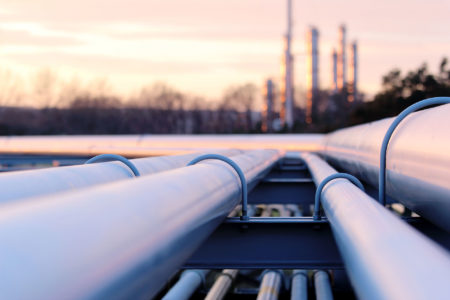
We provide environmental and safety consulting support to exploration and production operations within the mining and resources industry.

Transport & Civil Works
Our experience in environmental and safety management provides practical support to our clients within the transport & civil works.
Why Work With Applied Environment & Safety
We deliver decarbonisation strategies that are practical and directly useful for decision-making. Our team understands that a credible pathway has to work within your commercial constraints, capital cycles and operational realities, not just on paper.
We ground every strategy in a defensible emissions baseline and current Australian regulatory requirements, and we sequence abatement actions so you can see what to do first, what it costs and what it delivers. We do not produce aspirational documents that sit on a shelf. We build plans your team can act on.
AES is itself a certified carbon neutral organisation. We measure, report and offset our own emissions each year and have worked through our own reduction pathway, so our advice on decarbonisation is grounded in first-hand experience.
Discuss your decarbonisation strategy requirements
Tell us about your organisation. Our team will come back to you within one business day to discuss how AES can support your decarbonisation strategy.
Contact our team today to discuss your project requirements.
Other Sustainability Services
Carbon Accounting
Learn more
Sustainability Reporting
Learn more
NGER Reporting
Learn more
Materiality Assessment
Learn more
Sustainability Management Plans
Learn more
Sustainability Framework
Learn more
Climate-Related Disclosures
Learn more
Climate Change Risk Assessment
Learn more
Infrastructure Sustainability Rating
Learn more
Resources & Insights
-
Corporate Climate Change & Decarbonisation Planning
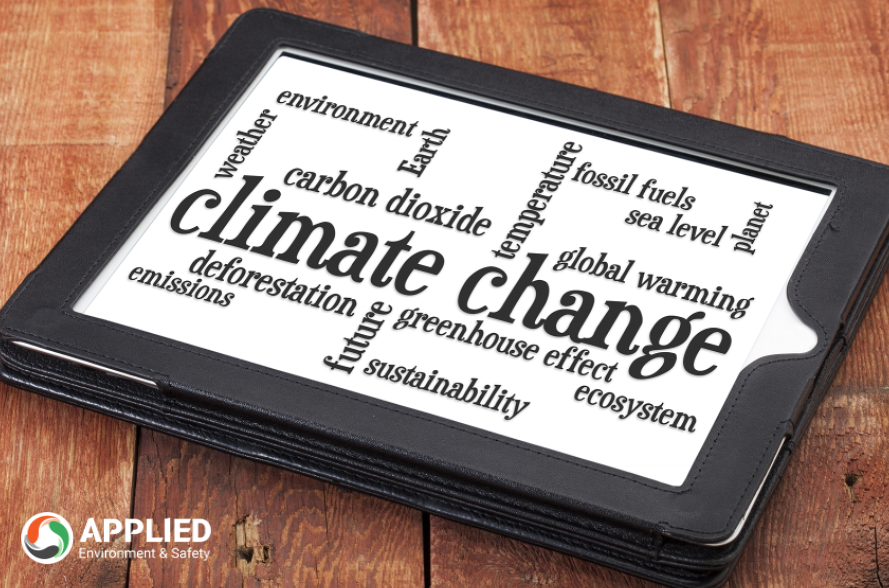
Turning climate commitments into practical action requires more than setting emissions targets. Organisations need a clear understanding of their emissions profile, realistic reduction opportunities and a plan for putting those opportunities into practice. Applied Environment & Safety recently supported a major infrastructure and utilities business in developing its 2027–2032 Climate Change and Decarbonisation Plan, building…
-

Environmental Tender Support for a Major Transmission Project
Applied Environment & Safety supported a design and construct contractor through the tender phase of a major transmission infrastructure project in the Hunter Valley, New South Wales.
-
What is the Rehabilitation Hierarchy? A Guide to Land Rehabilitation and Environmental Management
Rehabilitation is often viewed as the final stage of a project, something that occurs once construction or operations have ceased and equipment has been removed. In reality, effective rehabilitation begins long before the first disturbance occurs. The most successful rehabilitation programs are guided by a rehabilitation hierarchy, a structured framework that prioritises avoiding impacts wherever…

FAQ’s
Common questions from organisations about carbon accounting.
A decarbonisation strategy is a structured plan for reducing an organisation’s greenhouse gas emissions over time, usually towards a net zero or science-based target. It identifies where emissions come from, models the options for reducing them, and sequences those actions into a realistic pathway with interim milestones, costs and responsibilities.
Under the ASRS, large entities must disclose their climate-related transition plans and targets, and lenders, investors and major clients increasingly assess the credibility of a net zero pathway. A target set without a supporting strategy exposes an organisation to greenwashing claims and regulatory scrutiny, whereas a well-built strategy turns a commitment into a defensible, actionable plan.
Organisations that have set or are preparing a net zero or science-based target, Australian entities disclosing transition plans under ASRS, businesses responding to investor, lender or client expectations on emissions reduction, and infrastructure and asset owners planning long-term capital investment with a carbon lens.
A target is the commitment. A decarbonisation strategy is the staged, costed pathway that shows how the target will actually be achieved, including the abatement measures, milestones, responsibilities and reporting needed to get there.