

Accurate NGER reporting and on-time lodgement.
The National Greenhouse and Energy Reporting (NGER) scheme is Australia’s primary framework for measuring and reporting greenhouse gas emissions and energy consumption at the corporate and facility level. For entities that meet the reporting thresholds, annual lodgement to the Clean Energy Regulator is a legal obligation, and the consequences of inaccurate or late reporting can be significant.
AES provides NGER reporting services to facilities, controlling corporations and registered corporations across Australia. We manage the technical complexity of NGER data collection, calculation and lodgement so you can meet your obligations confidently, accurately and on time.
Accurate NGER reporting. On-time lodgement. No compliance surprises.
Featured Project
Environmental Management Plans & Inspections
Noosa, Queensland
Applied Environment & Safety provided environmental support to PCA Ground Engineering during road embankment stabilisation works in Noosa, Queensland. These works were important to maintaining the long-term serviceability of the road and drainage infrastructure at this location.
Our role on this project was to provide technical environmental support. This included the development of a Construction Environmental Management Plan, Sediment and Erosion Control Plan, and Rehabilitation Plan. Then we undertook inspections of the works during construction to ensure compliance with the controls for the environmental aspects.
What is NGER reporting?
The NGER scheme, established under the National Greenhouse and Energy Reporting Act 2007, requires corporations that meet certain greenhouse gas emission or energy production/consumption thresholds to report annually to the Clean Energy Regulator. Reports cover greenhouse gas emissions (Scope 1 and 2), energy production and energy consumption, and must be lodged by 31 October each year.
Reporting entities must determine whether they are a controlling corporation, registered corporation or facility operator and report accordingly. The NGER Technical Guidelines, published by the Clean Energy Regulator, prescribe the approved methods for calculating and reporting emissions and energy data. Selecting the appropriate method for each emission source and applying it correctly is a technical requirement that directly affects the accuracy of your report.
Beyond compliance, NGER data forms the foundation for carbon accounting, emissions benchmarking, decarbonisation planning and investor disclosure, and prepares organisations for ASRS mandatory climate disclosure requirements.
What we include
AES manages the full NGER reporting process, including:
- NGER threshold assessment for new or uncertain reporters
- emissions and energy data collection, review and gap identification
- calculation of greenhouse gas emissions using applicable NGER Technical Guideline methods
- energy production and consumption reporting
- annual report preparation and lodgement via the Clean Energy Regulator portal
- methodology documentation and data source records
- audit-ready record-keeping and supporting calculations
- regulatory correspondence support and query management
Industries We Support
Applied Environment & Safety provides NGER reporting support for facilities and corporations across a range of industries.
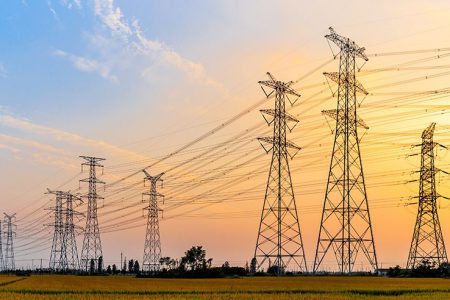
Power & Renewables
With vast experience within the power & renewables industry, we understand the risks and opportunities.
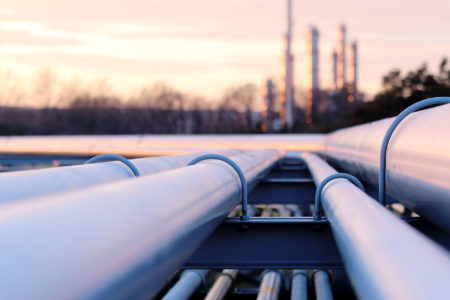
Mining & Resources
We provide environmental and safety consulting support to exploration and production operations within the mining and resources industry.

Transport & Civil Works
Our experience in environmental and safety management provides practical support to our clients within the transport & civil works.
Why Work With Applied Environment & Safety
We deliver NGER reporting services that are accurate, efficient and grounded in a thorough understanding of NGER technical requirements. Our team works systematically through the data collection and calculation process, identifying methodology issues and data gaps early so they are resolved well before the lodgement deadline.
We understand that NGER reporting can be technically complex, particularly for organisations with multiple facilities, diverse emission sources or recent operational changes. We work directly with your operations, finance and environmental teams to build a reporting process that is reliable and repeatable, without unnecessary scope or cost.
We also practise what we preach. AES is a certified carbon neutral organisation. We measure, report and offset our own emissions each year, so our advice is grounded in first-hand experience.
Discuss your NGER reporting requirements
Tell us about your reporting obligations. Our team will come back to you within one business day to discuss how AES can support your NGER reporting requirements.
Contact our team today to discuss your project requirements.
Other Sustainability Services
Carbon Accounting
Sustainability Reporting
Materiality Assessment
Sustainability Management Plans
Decarbonisation Strategy
Sustainability Framework
Climate-Related Disclosures
Climate Change Risk Assessment
Infrastructure Sustainability Rating
View All Sustainability Services
Resources & Insights
-

Environmental Tender Support for a Major Transmission Project
Applied Environment & Safety supported a design and construct contractor through the tender phase of a major transmission infrastructure project in the Hunter Valley, New South Wales.
-

What is the Rehabilitation Hierarchy? A Guide to Land Rehabilitation and Environmental Management
Rehabilitation is often viewed as the final stage of a project, something that occurs once construction or operations have ceased and equipment has been removed. In reality, effective rehabilitation begins long before the first disturbance occurs. The most successful rehabilitation programs are guided by a rehabilitation hierarchy, a structured framework that prioritises avoiding impacts wherever…
-
Supporting Local Stewardship: Volunteering with NICA
At Applied Environment & Safety, we know that effective environmental protection relies as much on personal and community action as it does on formal environmental legislation and protection mechanisms. That is why we are proud to highlight the impactful work of the Noosa Integrated Catchment Association (NICA)—a community-driven volunteering based organisation doing vital work on…
FAQ’s
Common questions from organisations about NGER reporting.
The National Greenhouse and Energy Reporting (NGER) scheme, established under the National Greenhouse and Energy Reporting Act 2007, is Australia’s primary framework for measuring and reporting greenhouse gas emissions, energy production and energy consumption at the corporate and facility level.
Corporations that meet certain greenhouse gas emission or energy production/consumption thresholds must report annually. Reporting entities must determine whether they are a controlling corporation, registered corporation or facility operator and report accordingly. AES can assess whether your entity meets the thresholds.
NGER reports must be lodged with the Clean Energy Regulator by 31 October each year, covering the previous financial year’s emissions, energy production and energy consumption.
Inaccurate or incomplete reporting can attract regulatory scrutiny, audit activity and civil penalties. The Clean Energy Regulator continues to increase its compliance and audit programme, so well-documented, methodologically sound NGER data has never been more important.