

Standard-aligned climate disclosure. Accurate, defensible and audit-ready.
Climate-related financial disclosure is now a legal obligation for large Australian entities. The Australian Sustainability Reporting Standards (ASRS), effective from January 2025, require organisations to disclose how climate change affects their business, from governance and strategy through to risk management and metrics. For many organisations, this is the first time climate information has had to meet the same rigour as financial reporting.
AES helps organisations prepare climate-related disclosures that are accurate, standard-aligned and defensible. We guide first-time reporters through their new obligations and help established reporters improve the quality and efficiency of their disclosures.
Featured Project
Environmental Management Plans & Inspections
Noosa, Queensland
Applied Environment & Safety provided environmental support to PCA Ground Engineering during road embankment stabilisation works in Noosa, Queensland. These works were important to maintaining the long-term serviceability of the road and drainage infrastructure at this location.
Our role on this project was to provide technical environmental support. This included the development of a Construction Environmental Management Plan, Sediment and Erosion Control Plan, and Rehabilitation Plan. Then we undertook inspections of the works during construction to ensure compliance with the controls for the environmental aspects.
What are Climate-Related Disclosures?
Climate-related disclosures are the formal reporting of how climate change affects an organisation and how the organisation is responding. Under the ASRS (AASB S2) and the international ISSB baseline (IFRS S2), disclosures are structured around four pillars: governance, strategy, risk management, and metrics and targets.
In practice, this means reporting on how climate-related risks and opportunities are governed, how they affect the organisation’s strategy and financial position, how they are identified and managed, and the metrics and targets used to measure performance, including greenhouse gas emissions.
The introduction of mandatory climate reporting is the most significant change to Australian corporate disclosure in a generation. Large entities are being phased into the regime from January 2025, with obligations extending to more organisations over time. Disclosures must be prepared with the rigour of financial reporting and will be subject to assurance, so entities that are unprepared face regulatory scrutiny, audit qualification, and loss of investor and lender confidence.
What we include
AES provides end-to-end climate-related disclosure support, including:
- disclosure readiness and gap assessment against ASRS requirements
- governance and strategy disclosure development
- climate-related risk and opportunity identification and disclosure
- scenario analysis support
- metrics and targets disclosure, including Scope 1, 2 and 3 emissions
- assurance-ready documentation and data trails
- integration with financial reporting processes and timelines
Industries We Support
Applied Environment & Safety provides climate-related disclosure support for organisations across a range of industries.
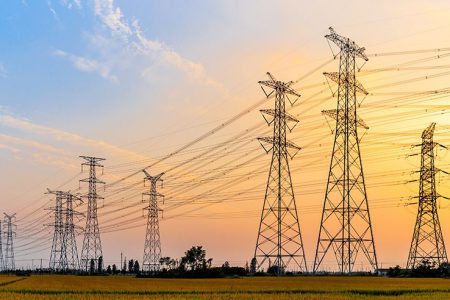
Power & Renewables
With vast experience within the power & renewables industry, we understand the risks and opportunities.
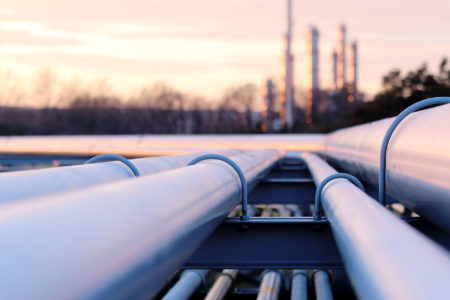
Mining & Resources
We provide environmental and safety consulting support to exploration and production operations within the mining and resources industry.

Transport & Civil Works
Our experience in environmental and safety management provides practical support to our clients within the transport & civil works.
Why Work With Applied Environment & Safety
We prepare climate-related disclosures that are accurate, standard-aligned and defensible under assurance. Our team understands both the technical requirements of the ASRS and ISSB and the practical challenge of pulling together reliable climate data across an organisation.
We work systematically through the four disclosure pillars, identify gaps early, and produce disclosures that integrate with your financial reporting and withstand external scrutiny. We focus on what the standards require and give you the structured support to meet it, without unnecessary scope or cost.
Our disclosure work is underpinned by strong emissions expertise. AES is a certified carbon neutral organisation that measures, reports and offsets its own emissions each year, so our advice on metrics, targets and disclosure is grounded in first-hand experience.
Discuss your climate-related disclosure requirements
Tell us about your organisation. Our team will come back to you within one business day to discuss how AES can support your climate-related disclosures.
Contact our team today to discuss your project requirements.
Other Sustainability Services
Carbon Accounting
Sustainability Reporting
NGER Reporting
Materiality Assessment
Sustainability Management Plans
Decarbonisation Strategy
Sustainability Framework
Climate Change Risk Assessment
Infrastructure Sustainability Rating
View All Sustainability Services
Resources & Insights
-

Environmental Tender Support for a Major Transmission Project
Applied Environment & Safety supported a design and construct contractor through the tender phase of a major transmission infrastructure project in the Hunter Valley, New South Wales.
-

What is the Rehabilitation Hierarchy? A Guide to Land Rehabilitation and Environmental Management
Rehabilitation is often viewed as the final stage of a project, something that occurs once construction or operations have ceased and equipment has been removed. In reality, effective rehabilitation begins long before the first disturbance occurs. The most successful rehabilitation programs are guided by a rehabilitation hierarchy, a structured framework that prioritises avoiding impacts wherever…
-
Supporting Local Stewardship: Volunteering with NICA
At Applied Environment & Safety, we know that effective environmental protection relies as much on personal and community action as it does on formal environmental legislation and protection mechanisms. That is why we are proud to highlight the impactful work of the Noosa Integrated Catchment Association (NICA)—a community-driven volunteering based organisation doing vital work on…
FAQ’s
Common questions from organisations about carbon accounting.
Climate-related disclosures are the formal reporting of how climate change affects an organisation and how it is responding. Under the ASRS (AASB S2) and the ISSB baseline (IFRS S2), disclosures cover four pillars: governance, strategy, risk management, and metrics and targets.
Yes, for large entities. The Australian Sustainability Reporting Standards (ASRS) introduced mandatory climate-related financial disclosures from January 2025, phased in over time, and prepared with the rigour of financial reporting and subject to assurance.
Large entities within scope of mandatory ASRS reporting, listed companies with investor and ASX expectations, organisations reporting under ISSB or TCFD-aligned frameworks, first-time reporters, and businesses whose lenders or investors require climate risk reporting.
The ISSB standards (IFRS S1 and S2) are the international baseline for sustainability and climate disclosure. The ASRS (AASB S1 and S2) are Australia’s adoption of that baseline, and are the mandatory standard for in-scope Australian entities. AES prepares disclosures aligned to both.