

Understand your climate risk. Physical and transition, assessed and prioritised.
Climate change presents real and growing risks to organisations, from the physical impacts of extreme weather on assets and operations to the transition risks created by policy, technology and market change. Understanding these risks is now a core part of good governance, and increasingly a regulatory requirement.
AES conducts climate change risk assessments for organisations and projects across Australia. We help you identify, assess and prioritise your physical and transition climate risks, and turn that understanding into practical management and disclosure.
Featured Project
Environmental Management Plans & Inspections
Noosa, Queensland
Applied Environment & Safety provided environmental support to PCA Ground Engineering during road embankment stabilisation works in Noosa, Queensland. These works were important to maintaining the long-term serviceability of the road and drainage infrastructure at this location.
Our role on this project was to provide technical environmental support. This included the development of a Construction Environmental Management Plan, Sediment and Erosion Control Plan, and Rehabilitation Plan. Then we undertook inspections of the works during construction to ensure compliance with the controls for the environmental aspects.
What is a Climate Change Risk Assessment?
A climate change risk assessment is a structured process for identifying and evaluating the risks that climate change poses to an organisation or project. It considers two broad categories: physical risks, such as damage from extreme weather, heat, flooding or sea level rise, and transition risks, such as changes in policy, carbon pricing, technology, market demand and reputation as the economy shifts towards net zero.
The assessment typically involves mapping climate hazards against the organisation’s assets, operations and value chain, testing exposure under different climate scenarios, and prioritising risks by likelihood and potential impact.
Climate risk is now financial risk. Under the ASRS, large entities must identify, assess and disclose their material climate-related risks, including through scenario analysis. Beyond compliance, a climate change risk assessment protects value: it helps organisations anticipate disruptions to assets and supply chains, make better long-term capital and investment decisions, and build resilience into operations and planning.
What we include
AES delivers structured, evidence-based climate change risk assessments, including:
- identification of physical and transition climate risks
- mapping of climate hazards against assets, operations and value chain
- climate scenario analysis using recognised pathways
- risk assessment, prioritisation and registers
- consideration of climate-related opportunities
- recommendations for risk management and adaptation
- assessment outputs ready for disclosure and strategy
Industries We Support
Applied Environment & Safety conducts climate change risk assessments for organisations and projects across a range of industries.
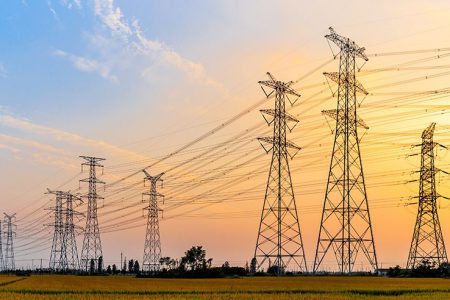
Power & Renewables
With vast experience within the power & renewables industry, we understand the risks and opportunities.
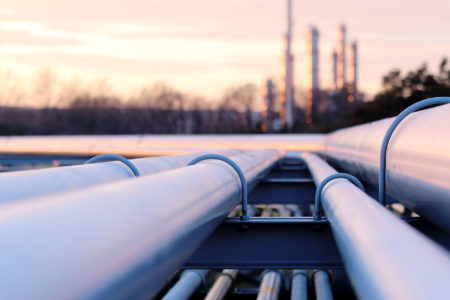
Mining & Resources
We provide environmental and safety consulting support to exploration and production operations within the mining and resources industry.

Transport & Civil Works
Our experience in environmental and safety management provides practical support to our clients within the transport & civil works.
Why Work With Applied Environment & Safety
We deliver climate change risk assessments that are structured, evidence-based and directly useful for decision-making and disclosure. Our team understands both the technical side of climate risk and scenario analysis and the practical need to produce outputs your board, your project team and your reporting can actually use.
We assess physical and transition risk with equal rigour, ground our analysis in recognised climate scenarios, and prioritise risks so you know where to focus. Our work aligns with ASRS and ISSB requirements and integrates directly with your disclosure and strategy.
AES combines climate risk expertise with deep environmental and emissions experience. As a certified carbon neutral organisation, we bring first-hand understanding of the transition to every assessment.
Discuss your climate change risk assessment requirements
Tell us about your organisation or project. Our team will come back to you within one business day to discuss how AES can support your climate change risk assessment.
Contact our team today to discuss your project requirements.
Other Sustainability Services
Carbon Accounting
Sustainability Reporting
NGER Reporting
Materiality Assessment
Sustainability Management Plans
Decarbonisation Strategy
Sustainability Framework
Climate-Related Disclosures
Infrastructure Sustainability Rating
View All Sustainability Services
Resources & Insights
-

Environmental Tender Support for a Major Transmission Project
Applied Environment & Safety supported a design and construct contractor through the tender phase of a major transmission infrastructure project in the Hunter Valley, New South Wales.
-

What is the Rehabilitation Hierarchy? A Guide to Land Rehabilitation and Environmental Management
Rehabilitation is often viewed as the final stage of a project, something that occurs once construction or operations have ceased and equipment has been removed. In reality, effective rehabilitation begins long before the first disturbance occurs. The most successful rehabilitation programs are guided by a rehabilitation hierarchy, a structured framework that prioritises avoiding impacts wherever…
-
Supporting Local Stewardship: Volunteering with NICA
At Applied Environment & Safety, we know that effective environmental protection relies as much on personal and community action as it does on formal environmental legislation and protection mechanisms. That is why we are proud to highlight the impactful work of the Noosa Integrated Catchment Association (NICA)—a community-driven volunteering based organisation doing vital work on…
FAQ’s
Common questions from organisations about carbon accounting.
A climate change risk assessment is a structured process for identifying and evaluating the risks climate change poses to an organisation or project, covering physical risks such as extreme weather and flooding, and transition risks such as changes in policy, carbon pricing, technology and market demand.
Physical risks are the direct impacts of a changing climate on assets and operations, such as heat, flooding, storms and sea level rise. Transition risks arise from the shift to a net zero economy, including policy and carbon pricing changes, technology shifts, market demand and reputation.
Yes. Under the ASRS, large entities must identify, assess and disclose their material climate-related risks, including through scenario analysis. A climate change risk assessment produces the analysis and outputs needed to support that disclosure.
Large entities disclosing climate risk under ASRS, infrastructure and asset owners with long-lived, climate-exposed assets, organisations undertaking scenario analysis, project proponents assessing climate risk in approvals or design, and boards seeking to understand and govern climate risk.